
Cost-Saving Strategies for Small and Medium-Sized Enterprises in Logistics
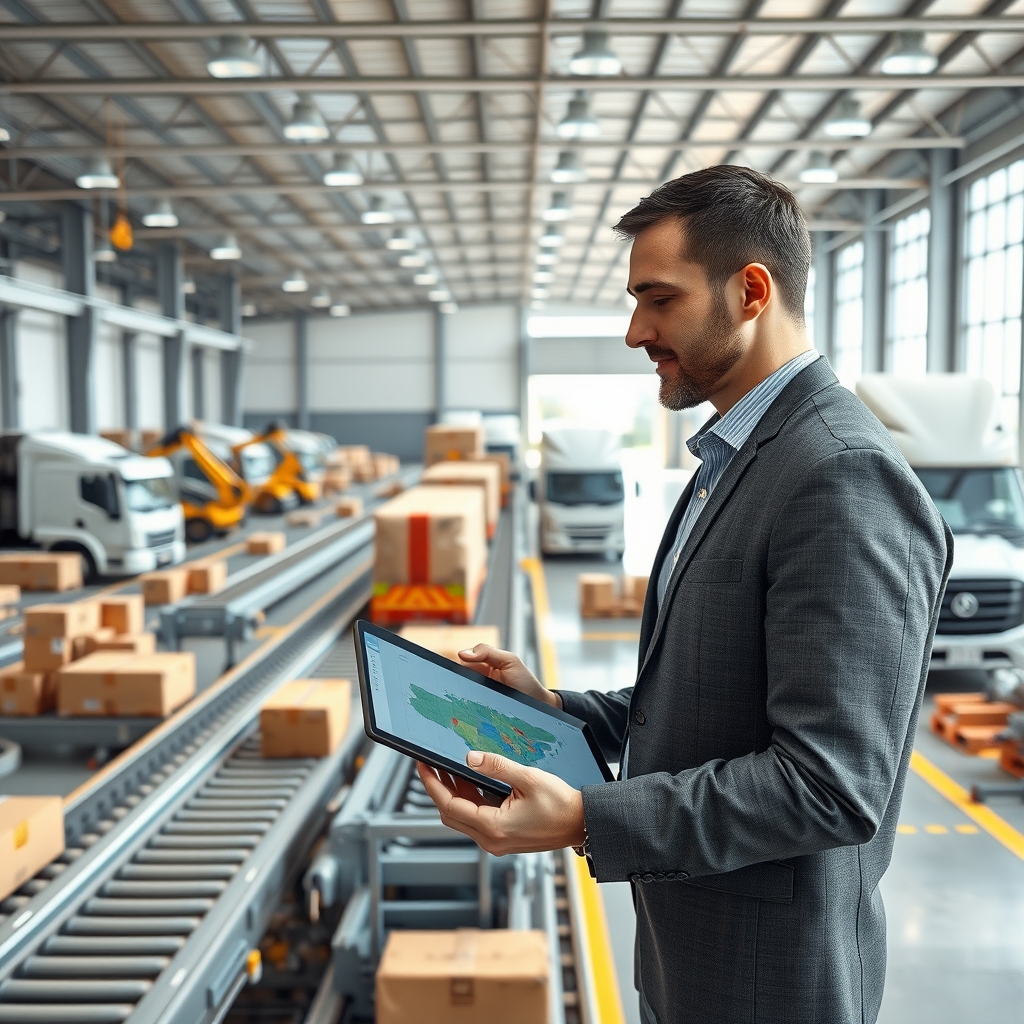
Logistics can be one of the most significant expenses for small and medium-sized enterprises (SMEs), often consuming a substantial portion of operational budgets. However, with the right strategies, businesses can reduce costs while maintaining—or even improving—service quality. The key lies in smart planning, leveraging technology, and making informed decisions about resource allocation. Below are practical approaches to help SMEs optimize their logistics operations without sacrificing efficiency or customer satisfaction.
Embrace Outsourcing for Non-Core Functions
For many SMEs, handling every aspect of logistics in-house can be costly and inefficient. Outsourcing non-core functions, such as warehousing, transportation, or last-mile delivery, to third-party logistics providers (3PLs) can lead to significant savings. 3PLs often have economies of scale, advanced technology, and specialized expertise that allow them to operate more cost-effectively than smaller businesses. By partnering with a reliable 3PL, SMEs can reduce overhead costs, minimize capital expenditure on fleet or warehouse infrastructure, and focus on their core competencies.
When selecting a 3PL, it’s essential to evaluate their track record, service offerings, and pricing models. Look for providers that offer flexible contracts, scalable solutions, and transparent reporting. Additionally, consider regional or niche 3PLs that may offer more competitive rates than larger, global providers. The goal is to find a partner that aligns with your business needs while delivering measurable cost savings.
Optimize Routes for Efficiency
Inefficient routing is a common source of wasted time, fuel, and labor in logistics. Route optimization software can help SMEs plan the most efficient paths for deliveries, reducing fuel consumption, vehicle wear and tear, and driver hours. These tools use algorithms to factor in variables such as traffic patterns, delivery windows, vehicle capacity, and road conditions, ensuring that routes are as streamlined as possible.
Beyond software, SMEs can adopt simple but effective practices to improve routing. For example, consolidating deliveries to the same geographic area on the same day can minimize backtracking and reduce mileage. Similarly, scheduling deliveries during off-peak hours can help avoid traffic congestion, further cutting down on fuel costs and delivery times. Regularly reviewing and adjusting routes based on real-world data can lead to continuous improvements in efficiency.
Leverage Real-Time Tracking and Data
Real-time tracking technology provides visibility into the entire logistics process, from warehouse to delivery. By monitoring shipments in real time, SMEs can identify bottlenecks, reduce delays, and improve overall operational transparency. This data can also be used to optimize routes dynamically, rerouting vehicles in response to unexpected events like traffic jams or weather disruptions.
Moreover, data analytics can uncover patterns and trends that may not be immediately apparent. For instance, analyzing delivery times, fuel consumption, and driver performance can reveal opportunities for further cost reductions. Over time, this data-driven approach can lead to more informed decision-making and a leaner, more agile logistics operation.
Implement Smart Inventory Management
Excess inventory ties up capital and increases storage costs, while insufficient stock can lead to lost sales and dissatisfied customers. Striking the right balance is critical for SMEs looking to optimize logistics costs. Implementing an inventory management system that uses demand forecasting and just-in-time (JIT) principles can help businesses maintain optimal stock levels without overcommitting resources.
Demand forecasting tools analyze historical sales data, market trends, and seasonal fluctuations to predict future demand. This allows SMEs to order inventory more accurately, reducing the risk of overstocking or stockouts. JIT inventory management, on the other hand, involves ordering goods only as they are needed, minimizing storage costs and reducing the risk of obsolescence. However, JIT requires reliable suppliers and efficient logistics to ensure that goods arrive on time.
Adopt Automation Where Possible
Automation can significantly reduce labor costs and improve accuracy in logistics operations. For example, automated warehouse systems, such as conveyor belts, robotic pickers, and barcode scanners, can speed up order fulfillment while reducing human error. Similarly, automated invoicing and billing systems can streamline administrative tasks, freeing up staff to focus on more strategic activities.
While the upfront cost of automation can be high, the long-term savings often justify the investment. SMEs should start by identifying repetitive, time-consuming tasks that are prone to errors and explore automation solutions tailored to those specific needs. Even small-scale automation, such as implementing a warehouse management system (WMS), can yield substantial cost savings over time.
Negotiate Better Rates with Carriers
Shipping costs can vary widely depending on the carrier, shipment volume, and service level. SMEs should regularly review their carrier contracts and negotiate better rates based on their shipping volume and loyalty. Many carriers offer discounts for businesses that commit to a certain volume of shipments or sign long-term contracts. Additionally, exploring alternative carriers or freight brokers can uncover more competitive pricing.
Another strategy is to consolidate shipments to take advantage of bulk discounts. For example, instead of sending multiple small shipments, SMEs can combine orders to fill a truckload (FTL) or less-than-truckload (LTL) shipment, reducing per-unit shipping costs. Working with a freight broker can also help SMEs access better rates by leveraging the broker’s relationships with multiple carriers.
Foster Strong Supplier Relationships
Strong relationships with suppliers can lead to better pricing, more flexible payment terms, and priority access to inventory. SMEs should communicate openly with suppliers about their needs and challenges, as this can lead to mutually beneficial arrangements. For example, suppliers may offer discounts for early payments or bulk purchases, or they may be willing to adjust delivery schedules to better align with the SME’s logistics operations.
Building long-term partnerships with suppliers can also improve supply chain resilience. In times of disruption, such as during a global pandemic or natural disaster, trusted suppliers are more likely to prioritize their loyal customers, ensuring continuity of supply. This can help SMEs avoid costly delays and maintain service quality even in challenging circumstances.
Optimizing logistics costs is not about cutting corners or sacrificing quality—it’s about working smarter. By leveraging technology, outsourcing strategically, and fostering strong partnerships, SMEs can create a logistics operation that is both cost-effective and resilient. The goal is to build a system that not only reduces expenses but also enhances efficiency, reliability, and customer satisfaction. With the right approach, even small changes can lead to significant savings and a stronger competitive edge in the marketplace.