The Impact of E-Commerce Growth on Last-Mile Delivery Innovations
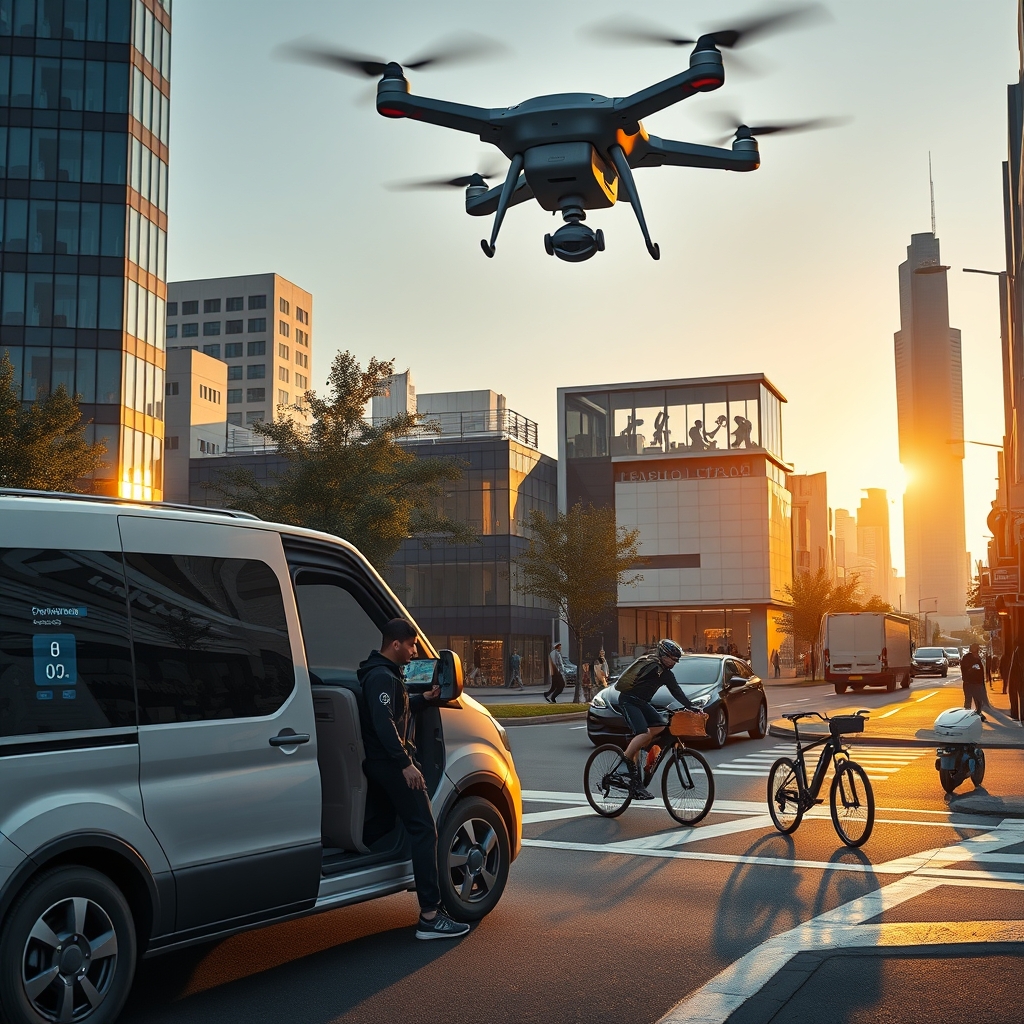
The exponential rise of e-commerce has transformed consumer expectations, turning same-day or next-day delivery from a luxury into a standard demand. This shift has placed immense pressure on logistics providers, particularly in the last-mile delivery segment—the final leg of the supply chain where packages reach their ultimate destination. As online shopping continues to surge, businesses are racing to innovate, leveraging cutting-edge technologies to streamline operations, reduce costs, and enhance customer satisfaction. The last-mile challenge is no longer just about speed; it’s about efficiency, sustainability, and adaptability in an ever-evolving market.
The Driving Forces Behind Last-Mile Innovations
The rapid growth of e-commerce is the primary catalyst for last-mile delivery innovations. Global e-commerce sales surpassed $5.7 trillion in 2022, with projections indicating continued growth in the coming years. This unprecedented volume has exposed inefficiencies in traditional delivery models, where manual processes and outdated infrastructure struggle to keep pace. Consumers now expect real-time tracking, flexible delivery windows, and seamless returns, forcing companies to rethink their logistics strategies.
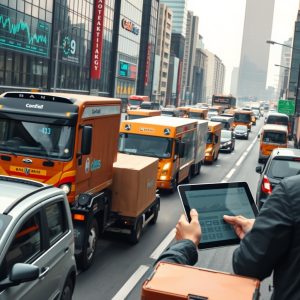
Urbanization further complicates the last-mile equation. With more than half of the world’s population living in cities, congested streets and limited parking spaces create bottlenecks that delay deliveries. Meanwhile, environmental concerns are pushing businesses to adopt greener practices, reducing carbon emissions associated with delivery fleets. These challenges have spurred a wave of innovation, with companies exploring automation, artificial intelligence, and alternative delivery methods to stay ahead.
Emerging Technologies Reshaping Last-Mile Delivery
Drone Deliveries: The Sky’s the Limit
Drones have emerged as one of the most promising solutions for last-mile delivery, particularly in remote or hard-to-reach areas. Companies like Amazon, Wing (a subsidiary of Alphabet), and Zipline are already testing drone deliveries for small packages, medical supplies, and even groceries. Drones offer several advantages: they bypass traffic, reduce delivery times, and lower operational costs. However, regulatory hurdles, safety concerns, and limited payload capacities remain significant barriers to widespread adoption.
Despite these challenges, drone delivery is gaining traction. In 2023, the Federal Aviation Administration (FAA) granted approval for expanded drone operations in the U.S., paving the way for more commercial use cases. As technology advances, drones could become a common sight in urban and rural skies, revolutionizing how goods are transported.
AI-Driven Route Optimization: Smarter, Faster Deliveries
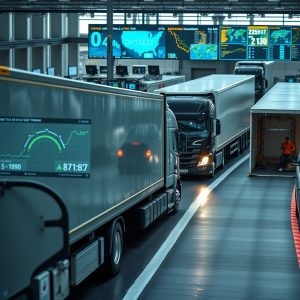
Artificial intelligence is transforming last-mile delivery by optimizing routes in real time. AI algorithms analyze traffic patterns, weather conditions, and delivery windows to determine the most efficient paths for drivers. This not only reduces fuel consumption and emissions but also ensures timely deliveries, even in high-demand periods like holidays.
Companies like UPS and FedEx have already integrated AI-powered route optimization into their operations. For example, UPS’s ORION (On-Road Integrated Optimization and Navigation) system has saved the company millions of miles and gallons of fuel annually. As AI continues to evolve, its role in last-mile logistics will only grow, enabling more precise and adaptive delivery networks.
Micro-Fulfillment Centers: Bringing Warehouses Closer to Customers
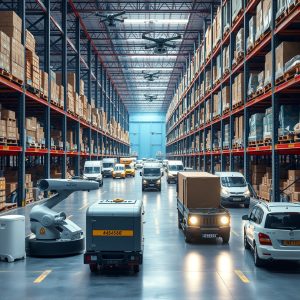
Micro-fulfillment centers (MFCs) are small-scale warehouses located in urban areas, designed to shorten the distance between inventory and consumers. By strategically placing MFCs in densely populated neighborhoods, retailers can fulfill orders faster and reduce transportation costs. These centers often leverage automation, such as robotic picking systems, to expedite order processing.
Retail giants like Walmart and Kroger have embraced MFCs to enhance their e-commerce capabilities. Walmart, for instance, has partnered with automation companies to deploy MFCs in select stores, enabling same-day grocery delivery. As urban spaces become more constrained, MFCs offer a scalable solution to meet growing demand while minimizing logistical challenges.
The Future of Last-Mile Delivery: Sustainability and Customer-Centricity
While speed and efficiency remain critical, sustainability is becoming a key differentiator in last-mile delivery. Consumers are increasingly conscious of their environmental impact, and businesses are responding by adopting eco-friendly practices. Electric delivery vehicles, bike couriers, and even autonomous robots are being deployed to reduce carbon footprints. For example, Amazon’s Rivian electric vans are already making deliveries in several U.S. cities, with plans for global expansion.
Customer-centricity is another driving force behind last-mile innovations. Flexible delivery options, such as parcel lockers, in-home delivery, and scheduled time slots, are becoming standard offerings. Companies are also investing in real-time communication tools, allowing customers to track their packages and make last-minute changes to delivery instructions. These enhancements not only improve the customer experience but also build brand loyalty in a competitive market.
The last-mile delivery landscape is evolving at an unprecedented pace, driven by the relentless growth of e-commerce and shifting consumer expectations. Innovations like drones, AI-driven route optimization, and micro-fulfillment centers are not just addressing current challenges—they are redefining the future of logistics. As businesses continue to experiment with new technologies and sustainable practices, the last mile will become faster, smarter, and more efficient, ensuring that the final step of the delivery journey is as seamless as the first click of an online purchase. The race to perfect last-mile delivery is far from over, but the progress made so far signals a transformative era for global commerce.