The Strategic Power of Integrated Land Transportation in Modern Global Logistics
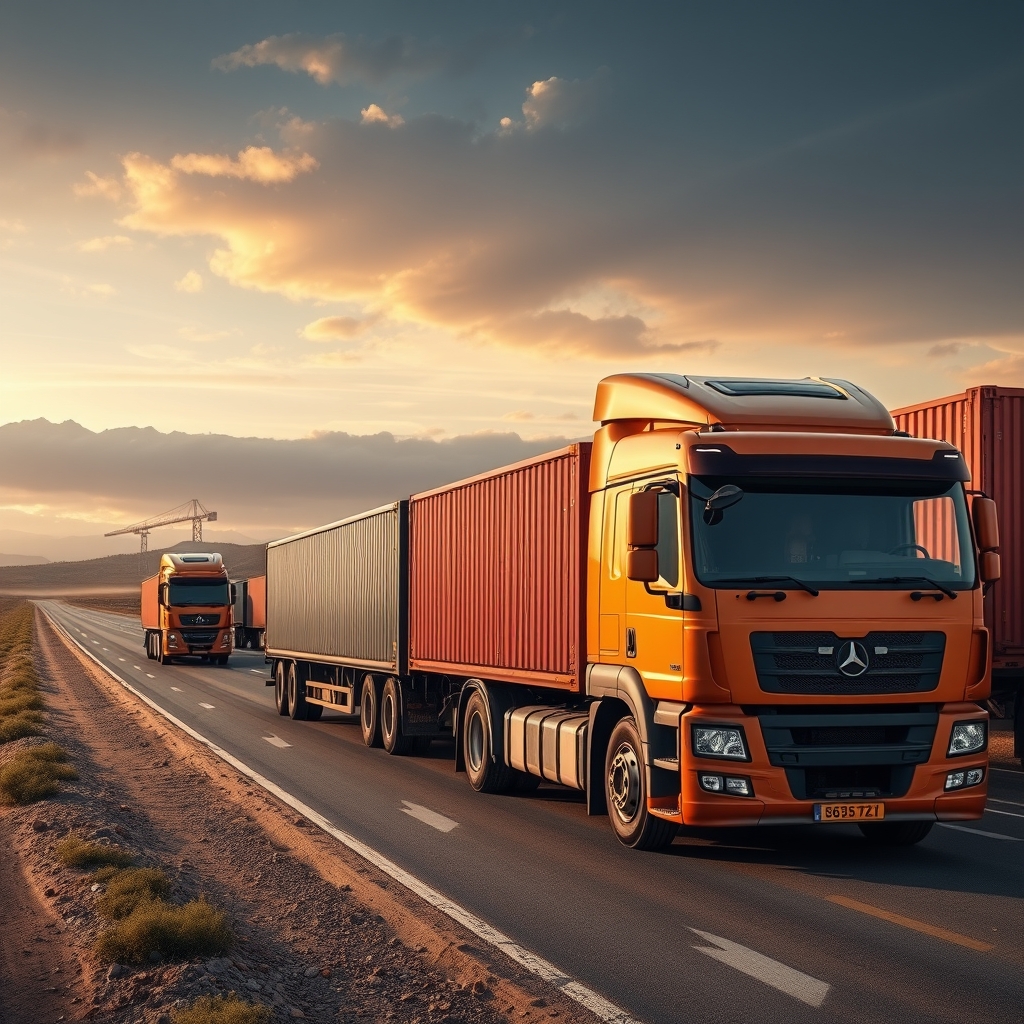
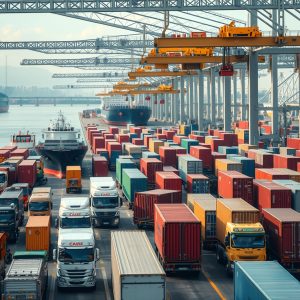
In the vast and intricate web of global logistics, land transportation often operates as the silent workhorse, seamlessly connecting ports, airports, warehouses, and distribution centers. While maritime transport and air cargo services frequently steal the spotlight for their roles in long-haul international trade, it is land transportation that ensures the final leg of the journey is executed with precision. From the bustling highways of Europe to the expansive rail networks of North America and the rapidly developing road infrastructure of Asia, land transportation is the backbone that keeps goods moving efficiently across continents and borders.
The Multifaceted Role of Land Transportation in Supply Chains
Land transportation encompasses a diverse range of modalities, including road freight, rail transport, and even pipeline systems for certain commodities. Each of these plays a unique role in the broader logistics ecosystem. Road freight, for instance, offers unparalleled flexibility, making it ideal for last-mile delivery and short to medium-haul shipments. It is the go-to solution for businesses that require door-to-door service, particularly in urban and suburban areas where rail or maritime options may not be viable.
Rail transport, on the other hand, excels in moving large volumes of goods over long distances with remarkable efficiency. It is particularly well-suited for bulk commodities such as coal, grain, and automobiles, as well as containerized freight. The environmental benefits of rail—such as lower carbon emissions per ton-mile compared to road transport—also make it an increasingly attractive option for companies committed to sustainable logistics management. In regions like North America and Europe, rail networks are highly developed, offering reliable and cost-effective solutions for intermodal transportation.
Overcoming Challenges in Land Transportation
Despite its critical role, land transportation is not without its challenges. Congestion on roads and at border crossings can lead to delays, increased costs, and inefficiencies in the supply chain. Infrastructure limitations, such as poorly maintained roads or outdated rail systems, can further exacerbate these issues, particularly in developing regions. Additionally, regulatory complexities, including trade compliance and customs clearance requirements, can create bottlenecks that disrupt the smooth flow of goods.
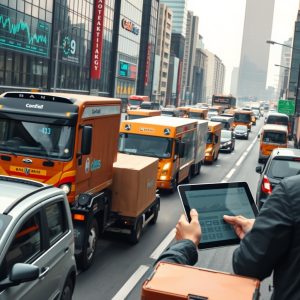
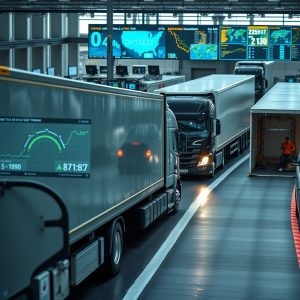
To mitigate these challenges, logistics providers are increasingly turning to technology and innovation. Advanced fleet management systems, for example, leverage telematics and GPS tracking to optimize routes, reduce fuel consumption, and improve driver safety. Predictive analytics and artificial intelligence are also being used to forecast demand, manage capacity, and enhance overall operational efficiency. These technologies not only streamline land transportation but also integrate it more seamlessly with other modes of transport, such as maritime and air cargo services, to create a truly interconnected logistics network.
The Synergy Between Land Transportation and E-Commerce Logistics
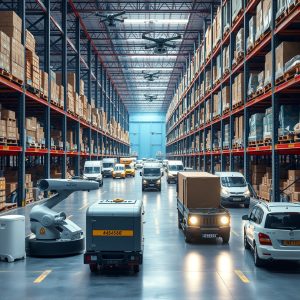
The rise of e-commerce has placed unprecedented demands on land transportation, particularly in the realm of last-mile delivery. Consumers now expect faster, more reliable, and often same-day delivery options, which has forced logistics providers to rethink their strategies. To meet these expectations, companies are investing in micro-fulfillment centers, urban warehouses, and advanced distribution networks that bring inventory closer to the end consumer. This shift not only reduces delivery times but also lowers transportation costs and minimizes the environmental impact of logistics operations.
Innovations such as autonomous delivery vehicles, drones, and electric fleets are also beginning to reshape the landscape of land transportation. While these technologies are still in their early stages, they hold the promise of further enhancing efficiency, reducing costs, and improving sustainability. For instance, electric trucks are already being deployed in urban areas to reduce emissions and noise pollution, while autonomous vehicles could eventually revolutionize long-haul freight by enabling 24/7 operations without the need for driver rest periods.
Trade Compliance and Customs Clearance: The Invisible Hurdles
One of the most overlooked yet critical aspects of land transportation is navigating the complexities of trade compliance and customs clearance. Cross-border shipments, even those moving by road or rail, are subject to a myriad of regulations, tariffs, and documentation requirements. Failure to comply with these rules can result in costly delays, fines, or even the seizure of goods. This is where the expertise of freight forwarders and third-party logistics (3PL) providers becomes invaluable. These partners specialize in managing the intricacies of international trade, ensuring that shipments move smoothly across borders while adhering to all legal and regulatory requirements.
Digital transformation is also playing a key role in simplifying trade compliance. Electronic documentation, automated customs clearance systems, and blockchain technology are reducing the administrative burden on logistics providers and accelerating the movement of goods. For example, blockchain can create an immutable record of a shipment’s journey, providing all stakeholders with real-time visibility and reducing the risk of fraud or errors. These advancements are particularly beneficial for land transportation, where the sheer volume of cross-border shipments can create significant logistical challenges.
The Future of Land Transportation: Trends and Innovations
As global trade continues to evolve, so too will the role of land transportation in the logistics ecosystem. One of the most significant trends is the growing emphasis on sustainability. Governments and businesses alike are under increasing pressure to reduce their carbon footprints, and land transportation is no exception. The shift toward electric and hydrogen-powered vehicles, as well as the expansion of rail networks, are just a few of the ways the industry is adapting to meet these demands. Additionally, the concept of