The Strategic Evolution of Maritime Transport: Navigating the Future of Global Logistics
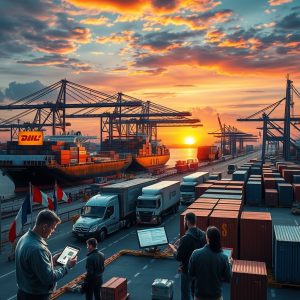
Maritime transport has long been the cornerstone of international trade, facilitating the movement of over 80% of global goods by volume. As the world becomes increasingly interconnected, the role of maritime logistics has evolved from a simple means of transport to a complex, technology-driven ecosystem that underpins the entire supply chain. The modern maritime industry is no longer just about ships and ports; it is about data, sustainability, and resilience in the face of global disruptions.
The Digital Transformation of Maritime Logistics
The maritime sector is undergoing a digital revolution, with technologies like the Internet of Things (IoT), artificial intelligence (AI), and blockchain reshaping how cargo is tracked, managed, and delivered. IoT-enabled sensors on shipping containers provide real-time data on location, temperature, and humidity, ensuring the integrity of goods, particularly in cold chain logistics. AI-driven predictive analytics optimize route planning, reducing fuel consumption and transit times, while blockchain enhances transparency and security in trade compliance and customs clearance.
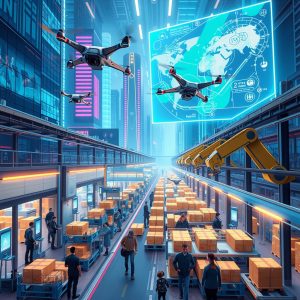
These advancements are not just improving efficiency but also enabling maritime transport to adapt to the demands of e-commerce logistics. With consumers expecting faster delivery times, shipping companies are leveraging digital tools to streamline operations, from automated port handling to smart container management. The result is a more agile and responsive maritime supply chain that can meet the needs of a rapidly changing global market.
Sustainability: The New Imperative in Maritime Transport
As environmental concerns take center stage, the maritime industry is under increasing pressure to reduce its carbon footprint. The International Maritime Organization (IMO) has set ambitious targets to cut greenhouse gas emissions by at least 50% by 2050, compared to 2008 levels. To achieve this, shipping companies are exploring alternative fuels like liquefied natural gas (LNG), hydrogen, and ammonia, as well as investing in energy-efficient vessel designs.
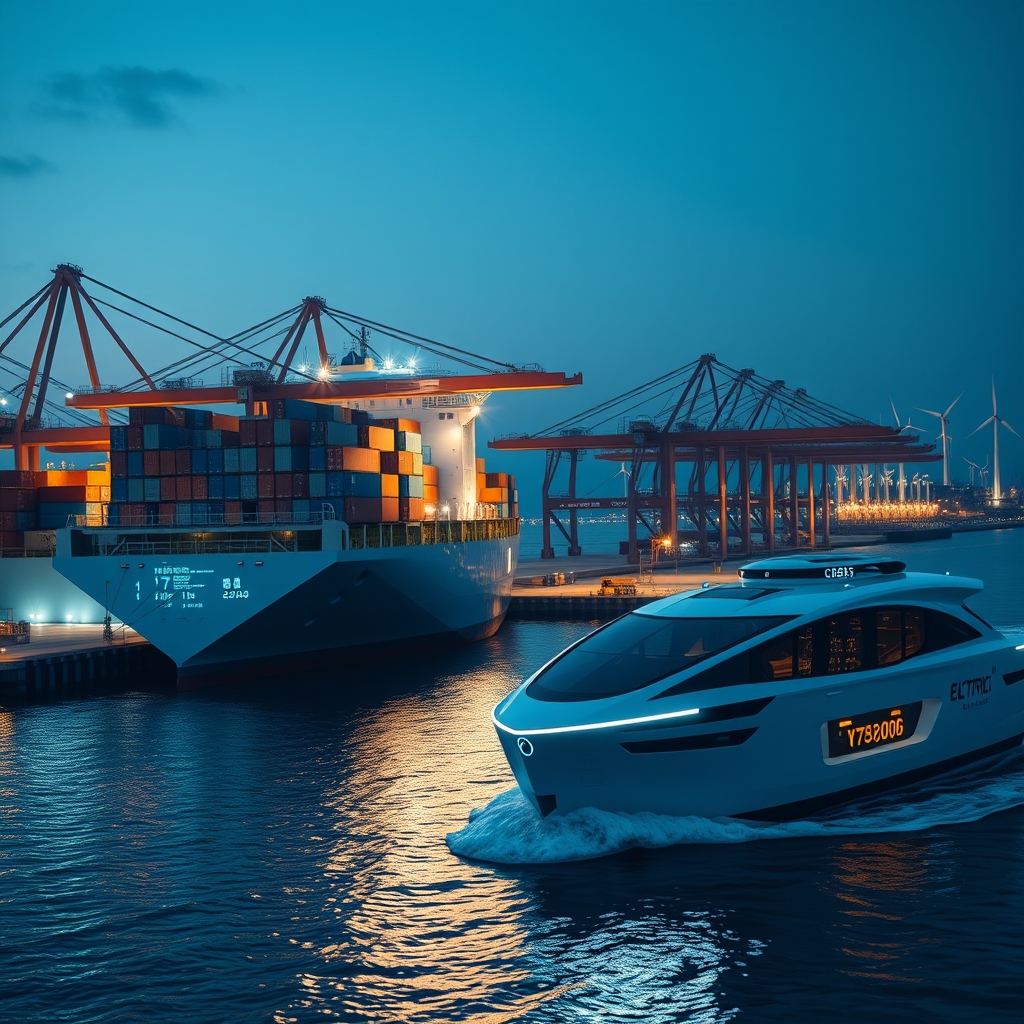
Beyond fuel, sustainability in maritime transport also involves optimizing port operations to minimize congestion and emissions. Smart ports, equipped with automated cranes and AI-driven traffic management systems, are reducing idle times and improving turnaround efficiency. These innovations not only benefit the environment but also enhance the overall competitiveness of maritime logistics in the global supply chain.
The Role of Maritime Transport in Global Supply Chain Resilience
The COVID-19 pandemic exposed vulnerabilities in global supply chains, with disruptions in maritime transport causing widespread delays and shortages. In response, businesses and logistics providers are rethinking their strategies to build more resilient supply chains. One key approach is diversifying shipping routes and ports of call to reduce dependency on single points of failure. Additionally, companies are investing in digital platforms that provide end-to-end visibility, enabling them to anticipate and mitigate disruptions before they escalate.
Maritime transport is also playing a critical role in the rise of nearshoring and regionalization. As businesses seek to reduce lead times and risks, many are shifting production closer to consumer markets, relying on maritime logistics to connect these regional hubs. This trend is driving demand for more flexible and scalable shipping solutions, from smaller feeder vessels to short-sea shipping services.
Innovations Shaping the Future of Maritime Logistics
The future of maritime transport is being shaped by a wave of innovations that promise to redefine the industry. Autonomous ships, for instance, are no longer a distant dream but a tangible reality, with several pilot projects already underway. These vessels, guided by AI and remote monitoring, could revolutionize cargo shipping by reducing human error and operational costs. Similarly, drone technology is being tested for last-mile delivery in port areas, further enhancing the efficiency of maritime logistics.
Another game-changer is the integration of maritime transport with other modes of logistics, such as air cargo services and land transportation. Multimodal logistics solutions are enabling seamless transitions between sea, air, and road, creating a more interconnected and efficient global supply chain. For example, a shipment originating in Asia can be transported by sea to a European port, then transferred to a rail network for inland distribution, all while being tracked in real-time through a unified logistics platform.
Trade Compliance and Customs Clearance: Navigating the Regulatory Landscape
In an era of increasing trade regulations and geopolitical tensions, compliance has become a critical aspect of maritime logistics. Customs clearance processes, once a bureaucratic bottleneck, are now being streamlined through digitalization. Automated customs systems, powered by AI and machine learning, are reducing processing times and minimizing errors, ensuring that goods move smoothly across borders.
Trade compliance is also evolving to address new challenges, such as sanctions, tariffs, and environmental regulations. Maritime logistics providers must stay ahead of these changes, leveraging technology and expertise to navigate the complex regulatory landscape. Failure to comply can result in costly delays, fines, or even the seizure of goods, making trade compliance a top priority for businesses engaged in international trade.
The maritime transport industry is at a crossroads, facing both unprecedented challenges and opportunities. As it embraces digitalization, sustainability, and innovation, it is not only securing its place as the backbone of global trade but also redefining what is possible in logistics management. The ships of the future will be smarter, greener, and more connected than ever before, ensuring that the flow of goods across the world’s oceans remains the lifeblood of the global economy. The journey has just begun, and the horizon is filled with promise for those willing to navigate the waves of change.