The Strategic Imperative of Sustainable Logistics: Balancing Efficiency and Environmental Responsibility in Global Supply Chains
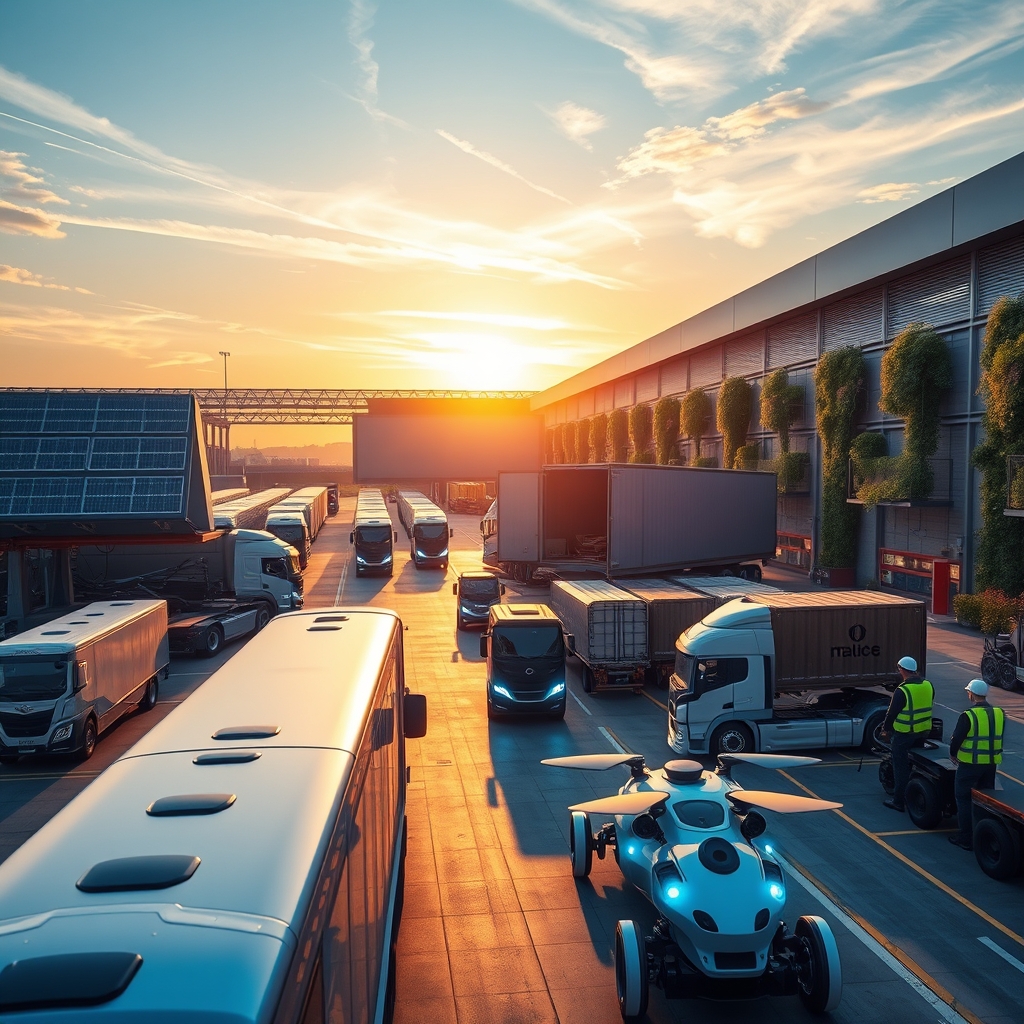
In an era where global trade is expanding at an unprecedented pace, the logistics industry faces a dual challenge: meeting the growing demand for speed and efficiency while minimizing its environmental footprint. The push for sustainability in logistics is no longer a mere corporate social responsibility initiative but a strategic imperative that shapes the future of supply chain solutions. Companies that fail to adapt risk falling behind in an increasingly eco-conscious marketplace, where consumers, regulators, and investors alike demand greener practices.
The Environmental Impact of Traditional Logistics
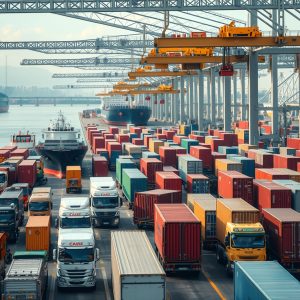
Traditional logistics operations have long relied on fossil fuel-dependent transportation modes, energy-intensive warehousing, and inefficient routing systems. Maritime transport, which accounts for nearly 90% of global trade, is a significant contributor to greenhouse gas emissions, with cargo ships emitting around 1 billion tons of CO2 annually. Similarly, air cargo services, while critical for time-sensitive shipments, have a carbon footprint nearly 50 times higher per ton-mile than maritime transport. Land transportation, particularly long-haul trucking, further exacerbates the problem, with diesel-powered fleets contributing to air pollution and climate change.
Beyond emissions, the logistics industry also grapples with waste generation, from packaging materials to obsolete inventory. Inefficient warehouse management practices, such as overstocking and poor space utilization, lead to unnecessary energy consumption and increased operational costs. The cumulative effect of these practices is a logistics ecosystem that is not only environmentally unsustainable but also economically vulnerable to rising fuel prices, carbon taxes, and regulatory pressures.
Innovative Solutions for Sustainable Logistics
The shift toward sustainable logistics requires a multifaceted approach that integrates technology, process optimization, and collaboration across the supply chain. One of the most promising avenues is the adoption of alternative fuels and electrification. Electric vehicles (EVs) are gaining traction in last-mile delivery, with companies like Amazon and FedEx investing heavily in EV fleets to reduce emissions in urban areas. For long-haul transportation, hydrogen fuel cells and biofuels offer viable alternatives to diesel, though infrastructure and scalability remain challenges.
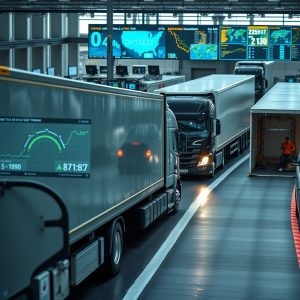
Another key strategy is the optimization of transportation networks through advanced analytics and artificial intelligence. Route optimization software can minimize fuel consumption by identifying the most efficient paths for cargo shipping, reducing idle time, and avoiding congested routes. Similarly, load consolidation techniques ensure that trucks and containers operate at full capacity, cutting down on the number of trips required and lowering emissions per unit of cargo.
Green Warehousing and Cold Chain Logistics
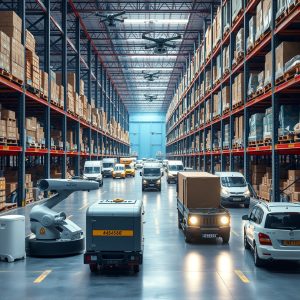
Warehouse management plays a pivotal role in sustainable logistics. Green warehousing initiatives focus on reducing energy consumption through the use of solar panels, LED lighting, and energy-efficient HVAC systems. Automated storage and retrieval systems (AS/RS) further enhance efficiency by optimizing space utilization and reducing the need for manual labor, which in turn lowers energy use and operational costs.
Cold chain logistics, which is critical for the transportation of perishable goods, presents unique sustainability challenges. Traditional refrigeration systems rely on high-energy consumption and often use hydrofluorocarbon (HFC) refrigerants, which have a high global warming potential. Innovations such as solar-powered cold storage, phase-change materials, and natural refrigerants are emerging as sustainable alternatives that reduce both energy use and environmental impact.
The Role of Third-Party Logistics (3PL) Providers
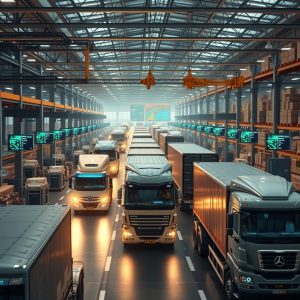
Third-party logistics providers are increasingly becoming catalysts for sustainable supply chain solutions. By leveraging their expertise and scale, 3PLs can help businesses implement green logistics practices without the need for significant upfront investment. For example, 3PLs can offer shared warehousing and transportation services, reducing the number of empty return trips and improving asset utilization. They also provide access to advanced technologies, such as real-time tracking and predictive analytics, which enable more efficient and sustainable operations.
Moreover, 3PLs are well-positioned to navigate the complexities of trade compliance and customs clearance, ensuring that sustainable practices are not hindered by regulatory barriers. By staying abreast of evolving environmental regulations, 3PLs can help businesses avoid penalties and capitalize on incentives for green logistics initiatives.
The Business Case for Sustainable Logistics
While the environmental benefits of sustainable logistics are clear, the business case is equally compelling. Companies that embrace green logistics practices often realize significant cost savings through reduced fuel consumption, lower energy bills, and improved operational efficiency. For instance, optimizing delivery routes can cut fuel costs by up to 20%, while energy-efficient warehouses can reduce electricity expenses by 30% or more.
Sustainability also enhances brand reputation and customer loyalty. A growing number of consumers prefer to support businesses that demonstrate a commitment to environmental responsibility. According to a Nielsen study, 66% of global consumers are willing to pay more for sustainable goods, a trend that is particularly pronounced among millennials and Gen Z. By aligning logistics practices with these values, companies can differentiate themselves in a competitive marketplace and build long-term customer relationships.
Furthermore, sustainable logistics can mitigate regulatory risks. Governments worldwide are implementing stricter environmental regulations, from carbon pricing to emissions standards for vehicles. Companies that proactively adopt sustainable practices are better positioned to comply with these regulations and avoid costly fines or disruptions to their operations.
Collaboration and Innovation in Global Logistics
Achieving sustainability in logistics requires collaboration across the entire supply chain. Shippers, carriers, freight forwarders, and 3PLs must work together to share data, align goals, and implement best practices. Industry consortia, such as the Smart Freight Centre and the Clean Cargo Working Group, are playing a crucial role in fostering collaboration and driving collective action toward greener logistics.
Innovation is also key to overcoming the technical and operational challenges of sustainable logistics. Startups and established players alike are developing cutting-edge solutions, from drone delivery for last-mile logistics to blockchain-based platforms for tracking carbon footprints. These innovations not only reduce environmental impact but also enhance transparency and accountability in the supply chain.
The journey toward sustainable logistics is not without its challenges, but the rewards are substantial. Companies that prioritize environmental responsibility today will not only contribute to a healthier planet but also secure a competitive advantage in the global marketplace. As the logistics industry continues to evolve, sustainability will no longer be an optional add-on but a fundamental pillar of success, shaping the future of global trade and supply chain management. The choices made today will determine whether the industry rises to the occasion or risks being left behind in an era where efficiency and environmental stewardship go hand in hand.