The Strategic Advantage of Multimodal Freight Forwarding in Optimizing Global Supply Chains
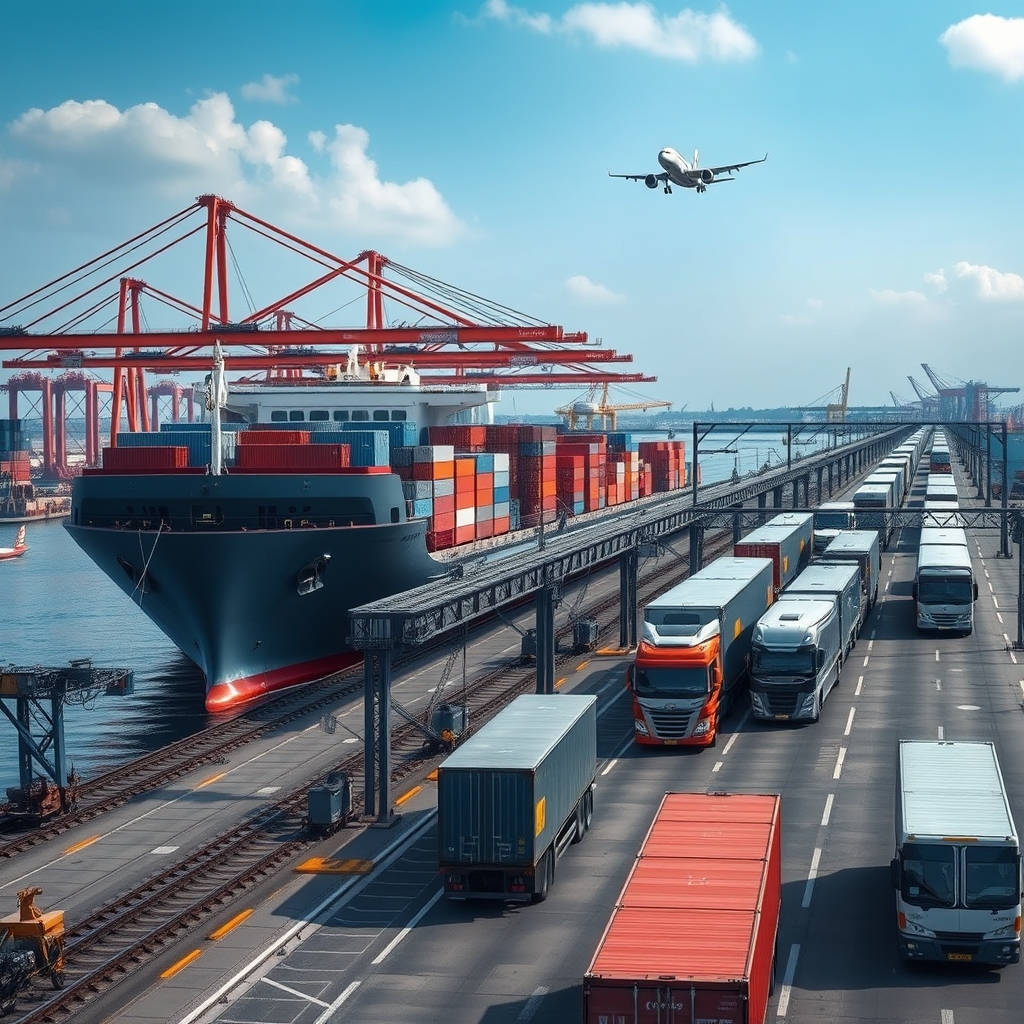
In an era where global trade moves at unprecedented speeds, businesses face relentless pressure to deliver goods faster, cheaper, and more reliably than ever before. The complexities of international logistics—spanning vast distances, regulatory hurdles, and diverse transportation modes—demand solutions that are not just efficient but also adaptable. This is where multimodal freight forwarding emerges as a game-changer, seamlessly integrating air, sea, rail, and road transport to create a cohesive, end-to-end logistics strategy. By leveraging the strengths of each mode, companies can unlock new levels of efficiency, resilience, and cost-effectiveness in their supply chains.
The Evolution of Freight Forwarding: From Siloed to Synergistic
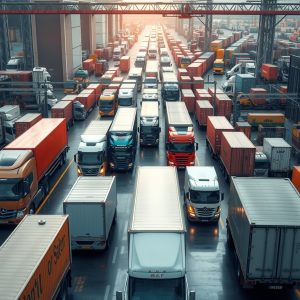
Traditionally, freight forwarding operated in silos, with each transportation mode—maritime, air, rail, or road—managed independently. This approach often led to inefficiencies, such as delays at transfer points, higher costs due to redundant handling, and a lack of visibility across the supply chain. However, the rise of multimodal logistics has transformed this landscape by fostering collaboration between carriers, customs authorities, and technology providers. The result is a synchronized network where cargo moves fluidly from origin to destination, minimizing disruptions and maximizing speed.
At the heart of this evolution is the concept of intermodal transportation, where standardized containers are used across different modes without the need for repacking. This not only reduces handling costs but also lowers the risk of damage or loss. For businesses engaged in export-import operations, this means faster customs clearance, streamlined documentation, and a more predictable delivery timeline. The shift toward multimodal solutions is not just a trend; it’s a strategic imperative for companies looking to stay competitive in a globalized economy.
Why Multimodal Freight Forwarding is a Strategic Necessity
The benefits of multimodal freight forwarding extend far beyond cost savings. One of its most significant advantages is supply chain resilience. By diversifying transportation modes, businesses can mitigate risks associated with disruptions—whether caused by geopolitical tensions, natural disasters, or capacity constraints in a single mode. For example, during the COVID-19 pandemic, many companies turned to rail and road transport to bypass bottlenecks in maritime shipping, ensuring continuity in their operations.
Another critical advantage is sustainability. Multimodal logistics allows companies to optimize routes and reduce their carbon footprint by choosing the most eco-friendly mode for each leg of the journey. Rail transport, for instance, is significantly more fuel-efficient than road or air freight, making it an ideal choice for long-distance overland shipments. As environmental regulations tighten and consumers demand greener practices, this approach aligns with both corporate responsibility goals and regulatory compliance.
Technology as the Backbone of Multimodal Efficiency
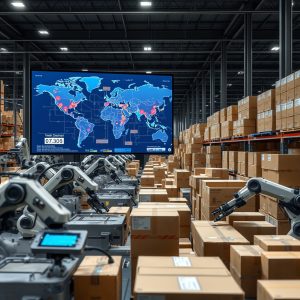
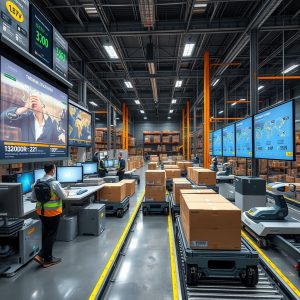
The success of multimodal freight forwarding hinges on real-time visibility and data integration. Advanced logistics platforms now offer end-to-end tracking, predictive analytics, and automated documentation, enabling businesses to monitor shipments across all modes from a single dashboard. This level of transparency is invaluable for trade compliance, as it ensures that all regulatory requirements—such as customs declarations and import/export licenses—are met seamlessly. Moreover, AI-driven tools can optimize routing, anticipate delays, and suggest alternative paths, further enhancing efficiency.
For third-party logistics (3PL) providers, technology is a key differentiator. By leveraging IoT sensors, blockchain for secure documentation, and machine learning for demand forecasting, 3PLs can offer their clients a level of agility that was previously unattainable. This is particularly crucial for industries like e-commerce logistics and cold chain logistics, where speed and precision are non-negotiable.
Overcoming Challenges in Multimodal Logistics
Despite its advantages, multimodal freight forwarding is not without challenges. One of the primary hurdles is coordination. Managing multiple carriers, each with its own schedules, pricing structures, and operational quirks, requires meticulous planning and strong partnerships. This is where experienced freight forwarders play a pivotal role, acting as orchestrators who ensure that every piece of the puzzle fits together seamlessly.
Another challenge is infrastructure limitations. In some regions, underdeveloped rail or port facilities can create bottlenecks, forcing businesses to rely more heavily on road transport, which may not always be the most efficient option. However, investments in infrastructure—such as China’s Belt and Road Initiative or Europe’s Trans-European Transport Network—are gradually addressing these gaps, making multimodal logistics more viable on a global scale.
The Future of Global Trade: A Multimodal Ecosystem
As global trade continues to evolve, the demand for flexible, efficient, and sustainable logistics solutions will only grow. Multimodal freight forwarding is poised to become the standard, not the exception, as businesses seek to balance cost, speed, and reliability. The integration of emerging technologies—such as autonomous vehicles, drone deliveries, and smart ports—will further enhance the capabilities of multimodal networks, making them even more responsive to the needs of modern commerce.
For companies engaged in international trade, embracing multimodal logistics is no longer optional; it’s a strategic necessity. By breaking down the barriers between transportation modes, businesses can create a supply chain that is not only efficient but also resilient, sustainable, and future-proof. The journey from siloed operations to a synchronized, multimodal ecosystem is complex, but the rewards—faster deliveries, lower costs, and a smaller environmental footprint—are well worth the effort. In a world where the only constant is change, the ability to adapt and optimize is the ultimate competitive advantage.