Reinventing the Supply Chain: How Data-Driven Logistics Are Creating Frictionless Experiences

The logistics industry is undergoing a profound transformation, driven by technological advancements that prioritize efficiency, transparency, and customer satisfaction. At the heart of this evolution lies the concept of a seamless logistics experience, where every touchpoint—from warehousing to last-mile delivery—is optimized for speed, accuracy, and adaptability. Businesses that embrace these innovations are not only streamlining operations but also redefining what it means to deliver value in an increasingly competitive marketplace.
The Power of Intelligent Route Planning
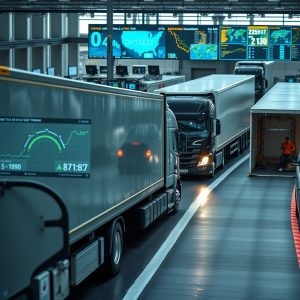
One of the most impactful advancements in modern logistics is intelligent route planning, which leverages real-time data and machine learning to optimize delivery paths. Traditional routing methods often rely on static maps and historical traffic patterns, which can lead to inefficiencies when unexpected delays occur. In contrast, AI-driven systems analyze live traffic conditions, weather forecasts, and even road closures to dynamically adjust routes, reducing fuel consumption and ensuring timely deliveries.
For example, a fleet of delivery trucks equipped with GPS and IoT sensors can reroute instantly if a major highway becomes congested. This not only saves time but also minimizes environmental impact by cutting down on idle emissions. Companies like Amazon and UPS have already integrated such systems, reporting significant improvements in delivery speed and cost savings. The result? A more responsive transport planning framework that adapts to real-world challenges in real time.
Predictive Freight Tracking: Visibility Beyond the Horizon
In an era where customers demand transparency, predictive freight tracking has emerged as a game-changer. Unlike traditional tracking systems that provide only retrospective updates, predictive analytics forecast potential delays before they happen. By analyzing historical data, weather patterns, and carrier performance, logistics providers can proactively communicate disruptions to customers, allowing them to adjust their plans accordingly.
This level of real-time transit visibility extends beyond mere tracking—it builds trust. When a retailer can assure a customer that their package will arrive within a precise two-hour window, it transforms the delivery experience from a guessing game into a reliable service. Moreover, predictive tracking enables businesses to optimize inventory management, reducing the risk of stockouts or overstocking by aligning supply with anticipated demand.
Sustainable Delivery Networks: Greening the Last Mile
The push for sustainability has reshaped logistics, particularly in the critical last-mile delivery phase. With urban areas facing increasing congestion and pollution, companies are exploring eco-friendly alternatives such as electric vehicles, bike couriers, and even drone deliveries. These hyper-local transport solutions not only reduce carbon footprints but also enhance delivery speed in densely populated areas.
For instance, companies like DHL and FedEx have introduced electric delivery vans in major cities, significantly lowering emissions while maintaining efficiency. Additionally, collaborative freight networks—where multiple businesses share transportation resources—further minimize environmental impact by reducing the number of vehicles on the road. As consumers grow more environmentally conscious, sustainable logistics practices are no longer optional; they are a competitive necessity.
Automated Shipment Fulfillment: The Rise of the Machines
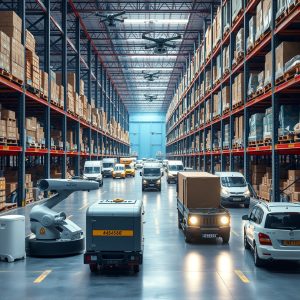
Automation is revolutionizing warehousing and fulfillment, with automated shipment fulfillment systems streamlining everything from order picking to packaging. Robotics and AI-powered software can process orders at unprecedented speeds, reducing human error and labor costs. Amazon’s fulfillment centers, for example, use robotic arms and autonomous mobile robots (AMRs) to sort and transport packages, enabling same-day delivery for millions of customers.
Beyond speed, automation enhances enhanced handling transparency. Every step of the fulfillment process is logged and monitored, providing businesses with granular insights into inventory levels, order statuses, and potential bottlenecks. This data-driven approach ensures that logistics operations remain agile, even during peak demand periods like Black Friday or holiday seasons.
Personalized Delivery Scheduling: Putting Customers First
In today’s on-demand economy, customers expect logistics services to adapt to their schedules, not the other way around. Personalized delivery scheduling allows recipients to choose delivery windows that align with their availability, reducing missed deliveries and improving satisfaction. Some companies even offer dynamic rescheduling options, where customers can adjust delivery times via a mobile app up to the last minute.
This customer-focused distribution model extends to value-added services like white-glove delivery, where items are not only delivered but also installed or assembled. For high-value goods such as furniture or electronics, this level of service differentiates brands and fosters long-term loyalty. By prioritizing flexibility and convenience, logistics providers can turn a routine delivery into a memorable experience.
Scalable Transport Services: Growing Without Limits
For businesses expanding into new markets, scalable transport services are essential. Unlike rigid logistics models that struggle to accommodate growth, modern solutions are designed to scale seamlessly. Cloud-based logistics platforms, for instance, allow companies to integrate new carriers, warehouses, and delivery partners without overhauling their existing infrastructure.
This scalability is particularly valuable for e-commerce businesses experiencing rapid growth. A startup selling handmade goods might begin with a single fulfillment center but can later expand to multiple locations without disrupting operations. By leveraging tech-enabled fleet monitoring and AI-driven demand forecasting, these businesses can maintain efficiency at any scale, ensuring that growth never comes at the cost of service quality.
The logistics landscape is no longer defined by siloed operations and reactive decision-making. Instead, it thrives on interconnected systems where data, automation, and sustainability converge to create a frictionless logistics interaction. As technology continues to advance, the companies that prioritize adaptability, transparency, and customer-centricity will lead the charge in shaping the future of global commerce. The question is no longer whether logistics can evolve—it’s how far and how fast it will go.