The Invisible Thread: How Real-Time Transit Visibility Weaves a Smarter Logistics Network

In an era where immediacy is not just desired but expected, the logistics industry stands at the crossroads of innovation and efficiency. The modern supply chain is no longer a linear path from point A to point B; it is a dynamic, interconnected web where every second counts, and every decision ripples across the network. At the heart of this transformation lies real-time transit visibility, a technological marvel that is quietly revolutionizing how goods move across the globe. It is the invisible thread stitching together a smarter, more responsive logistics ecosystem.
The Pulse of the Supply Chain
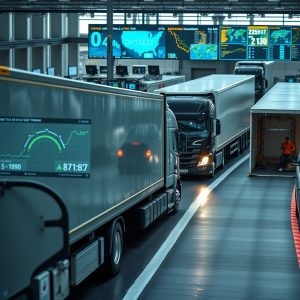
Real-time transit visibility is more than just tracking a shipment’s location—it is about capturing the pulse of the entire supply chain. By leveraging IoT devices, GPS technology, and advanced telematics, logistics providers can now monitor shipments with unprecedented precision. These tools do not merely report where a truck or container is; they provide granular insights into its condition, speed, and even the environmental factors affecting its journey. For businesses, this means the ability to anticipate delays, reroute shipments dynamically, and communicate proactively with customers, turning potential disruptions into opportunities for enhanced service.
Consider a scenario where a sudden storm disrupts a major highway. In the past, this would have meant hours of uncertainty, frustrated customers, and costly inefficiencies. Today, real-time visibility tools allow logistics teams to identify the issue instantly, recalculate routes, and notify stakeholders—all before the storm even hits its peak. This level of responsiveness is not just a competitive advantage; it is becoming the baseline expectation for businesses and consumers alike.
From Data to Decisions: The Power of Predictive Insights
The true magic of real-time visibility lies in its ability to transform raw data into actionable intelligence. Predictive analytics, powered by machine learning algorithms, can analyze historical transit patterns, weather forecasts, traffic conditions, and even geopolitical events to forecast potential bottlenecks before they occur. This shift from reactive to predictive logistics is a game-changer, enabling companies to optimize routes, reduce fuel consumption, and minimize carbon footprints—all while ensuring timely deliveries.
For instance, a global retailer using predictive freight tracking can adjust its inventory distribution in real time, ensuring that high-demand products are positioned closer to key markets before a surge in orders. This not only reduces transit times but also lowers storage costs and improves cash flow. Similarly, manufacturers can synchronize their production schedules with inbound shipments, reducing downtime and maximizing operational efficiency. In a world where margins are thin and competition is fierce, these small optimizations can make the difference between thriving and merely surviving.
The Human Element: Customer-Centric Logistics
While technology drives real-time visibility, its ultimate purpose is to enhance the human experience—both for logistics professionals and the end customers. Today’s consumers expect transparency, flexibility, and control over their deliveries. Real-time tracking portals, automated notifications, and personalized delivery windows are no longer luxuries; they are essential components of a customer-focused distribution strategy. By providing end-to-end visibility, businesses can build trust, reduce anxiety, and foster long-term loyalty.
Imagine a small e-commerce business that ships handmade goods across the country. With real-time visibility tools, the owner can offer customers live updates on their orders, from the moment the package leaves the workshop to its arrival at the doorstep. If a delay occurs, the customer is notified immediately, along with a revised delivery estimate and an apology. This level of transparency not only mitigates frustration but also turns a potential negative experience into a positive one, reinforcing the brand’s commitment to service excellence.
Sustainability in Motion: Greening the Logistics Network
Real-time transit visibility is also a cornerstone of sustainable delivery networks. By optimizing routes and reducing idle time, logistics providers can significantly cut fuel consumption and emissions. For example, dynamic routing algorithms can identify the most efficient paths, avoiding congested areas and minimizing unnecessary mileage. Additionally, real-time monitoring of vehicle performance—such as engine idling or aggressive driving—allows fleet managers to coach drivers on eco-friendly practices, further reducing the environmental impact of transportation.
Companies that prioritize sustainability are not only meeting regulatory requirements but also appealing to a growing segment of environmentally conscious consumers. A recent study found that 66% of global consumers are willing to pay more for sustainable brands, and this trend is only expected to grow. By integrating real-time visibility with green logistics practices, businesses can align their operations with these values, creating a win-win scenario for both the planet and their bottom line.
The Collaborative Future: Breaking Down Silos
One of the most exciting developments in real-time transit visibility is its potential to foster collaborative freight networks. Traditionally, logistics has been a fragmented industry, with shippers, carriers, and third-party providers operating in silos. However, real-time data sharing is breaking down these barriers, enabling seamless collaboration across the supply chain. Platforms that aggregate and analyze transit data can connect disparate stakeholders, allowing them to share capacity, optimize loads, and reduce empty miles.
For example, a carrier with excess capacity on a return trip can use a collaborative platform to find a shipper with goods heading in the same direction. This not only maximizes asset utilization but also reduces costs and emissions. Similarly, manufacturers and retailers can coordinate their inbound and outbound shipments, ensuring that trucks are never running empty. This level of collaboration is transforming logistics from a zero-sum game into a shared ecosystem where everyone benefits.
The logistics industry is undergoing a profound transformation, one where technology and human ingenuity converge to create a more efficient, transparent, and sustainable supply chain. Real-time transit visibility is not just a tool; it is the foundation of this new era, enabling businesses to navigate the complexities of global trade with confidence and precision. As the world grows more interconnected, the ability to see, predict, and adapt will separate the leaders from the laggards. The invisible thread of visibility is weaving a future where logistics is no longer a behind-the-scenes operation but a strategic advantage that drives growth, innovation, and customer satisfaction. In this future, the journey is just as important as the destination, and every mile tells a story of progress.