The Next Frontier in Logistics: How Personalized Delivery Scheduling is Transforming Customer-Centric Distribution
The logistics industry is undergoing a profound transformation, shifting from a one-size-fits-all approach to a more nuanced, customer-focused model. At the heart of this evolution is personalized delivery scheduling, a concept that is redefining how businesses and consumers interact with supply chains. No longer are customers content with vague delivery windows or rigid timeframes; they demand flexibility, transparency, and control over when and how their goods arrive. This shift is not just a trend—it’s a fundamental change in how logistics operates, driven by advancements in technology and a deeper understanding of consumer expectations.
The Rise of Customer-Centric Logistics
Traditional logistics models were built around efficiency for the provider, often at the expense of the customer’s convenience. Fixed delivery slots, limited communication, and a lack of real-time updates left consumers feeling disconnected from the process. However, as e-commerce has grown and consumer expectations have evolved, the industry has had to adapt. Today, customer-focused distribution is not just a buzzword—it’s a necessity. Businesses are leveraging data analytics, AI, and machine learning to create delivery experiences that are tailored to individual preferences, locations, and even behaviors.
For example, retailers and logistics providers are now offering dynamic delivery windows that adjust based on real-time traffic conditions, weather, and even the customer’s historical preferences. This level of personalization ensures that deliveries are not only timely but also aligned with the customer’s lifestyle. Whether it’s a busy professional who needs a package delivered during their lunch break or a parent who prefers weekend drop-offs, personalized scheduling ensures that logistics works for the customer, not the other way around.
Technology as the Enabler of Personalization
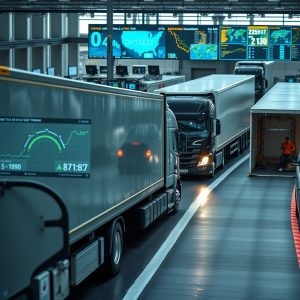
The backbone of personalized delivery scheduling is technology. Intelligent route planning and predictive freight tracking are two critical components that make this possible. By analyzing vast amounts of data—from traffic patterns to historical delivery performance—AI-driven systems can optimize routes in real time, ensuring that deliveries are not only faster but also more reliable. This technology doesn’t just benefit the customer; it also helps logistics providers reduce fuel consumption, lower operational costs, and minimize their environmental impact.
Another key technology is real-time transit visibility. Customers today expect to know exactly where their package is at any given moment, and they want the ability to make last-minute changes if needed. Platforms that offer live tracking, estimated time of arrival (ETA) updates, and the option to reschedule or redirect deliveries are becoming the norm. This level of transparency builds trust and enhances the overall customer experience, turning a once transactional process into a seamless, engaging interaction.
The Role of Data in Shaping Personalized Experiences
Data is the lifeblood of personalized delivery scheduling. By collecting and analyzing information on customer preferences, delivery performance, and external factors like traffic and weather, logistics providers can create highly accurate and adaptable delivery models. Data-driven cargo management allows businesses to anticipate demand, optimize inventory placement, and even predict potential disruptions before they occur. This proactive approach ensures that customers receive their goods on time, every time, without the frustration of delays or miscommunications.
For instance, if a logistics provider notices that a particular customer frequently reschedules deliveries to a specific time, the system can automatically suggest that time slot for future orders. Similarly, if a customer lives in an area prone to traffic congestion, the system can adjust the delivery window to avoid peak hours. These small but meaningful adjustments create a logistics experience that feels bespoke, rather than generic.
Sustainability and Personalization: A Perfect Match
One of the most exciting aspects of personalized delivery scheduling is its potential to drive sustainability. By optimizing routes and reducing unnecessary stops, logistics providers can significantly lower their carbon footprint. Sustainable delivery networks are no longer a distant goal—they are a reality, and personalization is playing a key role in making them possible. When customers have more control over their delivery times, they are more likely to choose options that align with their values, such as consolidated deliveries or eco-friendly transport methods.
For example, some logistics providers now offer incentives for customers who opt for slower, more sustainable delivery options. By grouping deliveries in the same area, providers can reduce the number of trips required, cutting emissions and costs. This approach not only benefits the environment but also strengthens the customer’s connection to the brand, as they feel they are contributing to a larger purpose.
The Future of Last-Mile Delivery
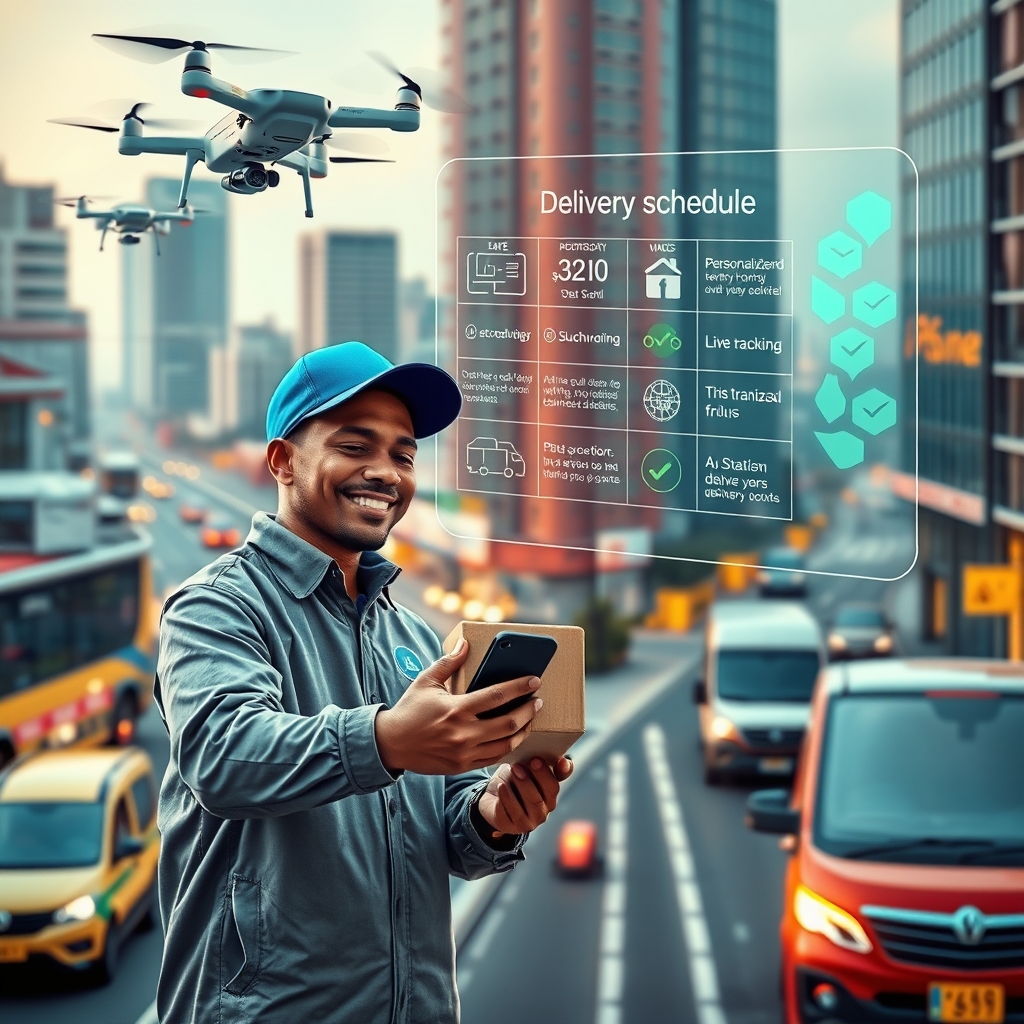
The last mile has always been the most challenging and costly part of the logistics process. However, adaptive last-mile delivery solutions are changing the game. By combining personalized scheduling with hyper-local transport solutions, businesses can ensure that the final leg of the journey is as efficient and customer-friendly as possible. Whether it’s using drones for remote deliveries, crowdsourced delivery networks for urban areas, or lockers and pickup points for added convenience, the last mile is becoming more flexible and responsive than ever before.
Imagine a scenario where a customer receives a notification that their package is en route, along with a live map showing the delivery driver’s progress. They can then choose to have the package delivered to their doorstep, redirected to a nearby locker, or even rescheduled for a later time—all with a few taps on their smartphone. This level of control and convenience is what modern consumers expect, and it’s what personalized delivery scheduling delivers.
As logistics continues to evolve, the focus on personalization will only grow stronger. Businesses that embrace this shift will not only meet customer expectations but exceed them, creating a logistics experience that is seamless, transparent, and tailored to the individual. The future of logistics is not just about moving goods from point A to point B—it’s about creating a journey that is as unique as the customer themselves. In this new era, the companies that thrive will be those that recognize logistics as an extension of the customer experience, where every delivery is an opportunity to build trust, loyalty, and satisfaction.