The Pulse of Progress: How Collaborative Freight Networks and Adaptive Last Mile Delivery Are Redefining Logistics Efficiency
The logistics industry has long been the backbone of global commerce, but the demands of modern consumers and businesses have pushed it into uncharted territory. Today, efficiency isn’t just about moving goods from point A to point B—it’s about doing so with precision, adaptability, and a deep understanding of real-time dynamics. At the heart of this transformation lies the fusion of collaborative freight networks and adaptive last mile delivery, two innovations that are redefining what it means to operate a seamless logistics experience.
The Power of Collaboration in Freight Networks
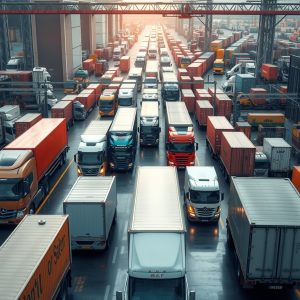
Traditionally, logistics operated in silos—carriers, shippers, and warehouses worked independently, often leading to inefficiencies, delays, and missed opportunities. However, the rise of collaborative freight networks has shattered these barriers, creating a more interconnected and responsive ecosystem. By leveraging shared data platforms, businesses can now optimize capacity, reduce empty miles, and improve overall transit visibility.
For example, a carrier with excess capacity on a route can dynamically match with a shipper needing space, reducing costs and environmental impact. This level of coordination wasn’t possible in the pre-digital era, but today’s cloud-based logistics platforms make it not just feasible but highly scalable. The result? Faster deliveries, lower operational costs, and a more sustainable supply chain.
Breaking Down the Benefits
The advantages of collaborative freight networks extend beyond cost savings. They enable:
- Enhanced flexibility: Businesses can adapt to fluctuating demand without overcommitting resources.
- Improved transparency: Real-time tracking and shared data ensure all stakeholders are aligned.
- Sustainable practices: By reducing empty runs and optimizing routes, carbon footprints shrink.
- Stronger partnerships: Long-term collaborations foster trust and innovation across the supply chain.
The Last Mile: Where Adaptability Meets Customer Expectations
If collaborative networks are the engine of modern logistics, then adaptive last mile delivery is the fine-tuning that ensures a flawless finish. The last mile has always been the most complex and costly segment of the delivery process, but advancements in AI, machine learning, and real-time analytics have unlocked new levels of efficiency.
Today’s consumers expect more than just speed—they demand flexibility, transparency, and personalization. Adaptive last mile solutions meet these expectations by dynamically adjusting delivery routes based on traffic, weather, and even customer preferences. For instance, a delivery scheduled for the afternoon can be rerouted in real time if the recipient requests an earlier drop-off, all without disrupting the broader logistics workflow.
Technology as the Enabler
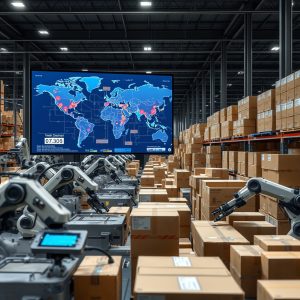
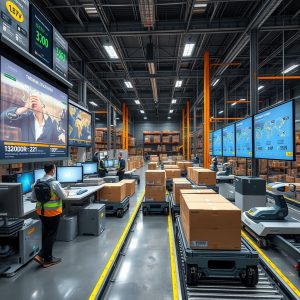
The key to adaptive last mile delivery lies in technology. Predictive algorithms analyze historical data to forecast demand, while IoT-enabled devices provide real-time updates on package location and condition. Meanwhile, automated sorting systems and drone or robot-assisted deliveries are pushing the boundaries of what’s possible, particularly in urban environments where congestion and accessibility pose challenges.
Companies that embrace these innovations gain a competitive edge. They’re not just delivering packages—they’re delivering experiences. A customer who receives a notification that their delivery is five minutes away, along with a photo of the package at their doorstep, is far more likely to trust and return to that brand.
The Synergy of Collaboration and Adaptability
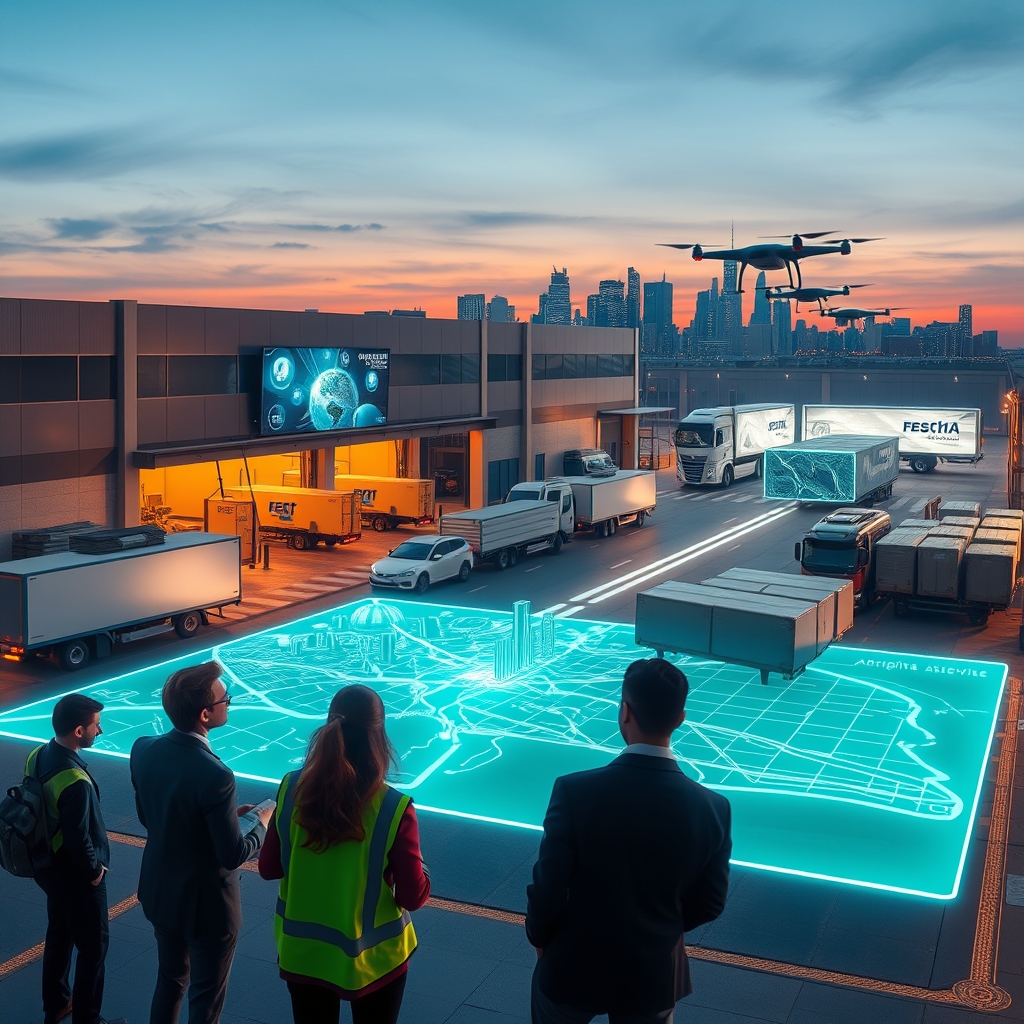
While collaborative freight networks and adaptive last mile delivery are powerful on their own, their true potential is unlocked when they work in tandem. Imagine a scenario where a sudden spike in demand for a product in a specific region triggers an automated response: collaborative networks reroute shipments from multiple carriers to meet the need, while adaptive last mile solutions ensure those shipments reach customers on time, regardless of external disruptions.
This synergy doesn’t just improve efficiency—it redefines resilience. Supply chains that once buckled under pressure can now bend without breaking, thanks to real-time data and decentralized decision-making. Businesses that adopt these models are better positioned to weather disruptions, whether they’re caused by natural disasters, geopolitical events, or sudden shifts in consumer behavior.
Sustainability as a Byproduct
One of the most compelling outcomes of this logistics revolution is its impact on sustainability. Collaborative networks reduce the number of vehicles on the road, while adaptive last mile solutions minimize fuel consumption by optimizing routes. Together, they contribute to sustainable delivery networks that align with global efforts to reduce emissions and combat climate change.
For businesses, this isn’t just about corporate responsibility—it’s about future-proofing operations. Consumers and regulators alike are increasingly prioritizing sustainability, and logistics providers that fail to adapt risk falling behind. Those that embrace these innovations, however, stand to gain not only cost savings but also a stronger brand reputation and customer loyalty.
The logistics industry is no longer just about moving goods—it’s about moving them smarter. By harnessing the power of collaboration and adaptability, businesses are not only meeting today’s demands but also shaping the future of global commerce. The seamless logistics experience of tomorrow isn’t a distant dream; it’s being built today, one optimized route and one satisfied customer at a time. The question isn’t whether these innovations will become the standard—it’s how quickly businesses can adopt them to stay ahead of the curve.