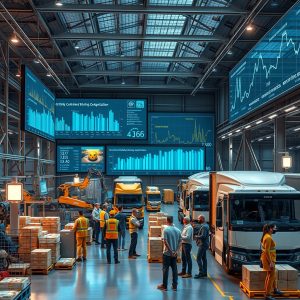
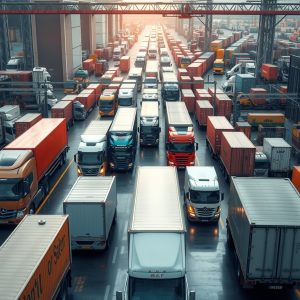
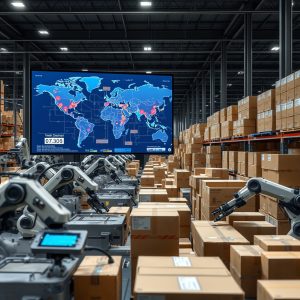
The Logistics Revolution: How Adaptive Systems and Real-Time Visibility Are Crafting the Future of Delivery
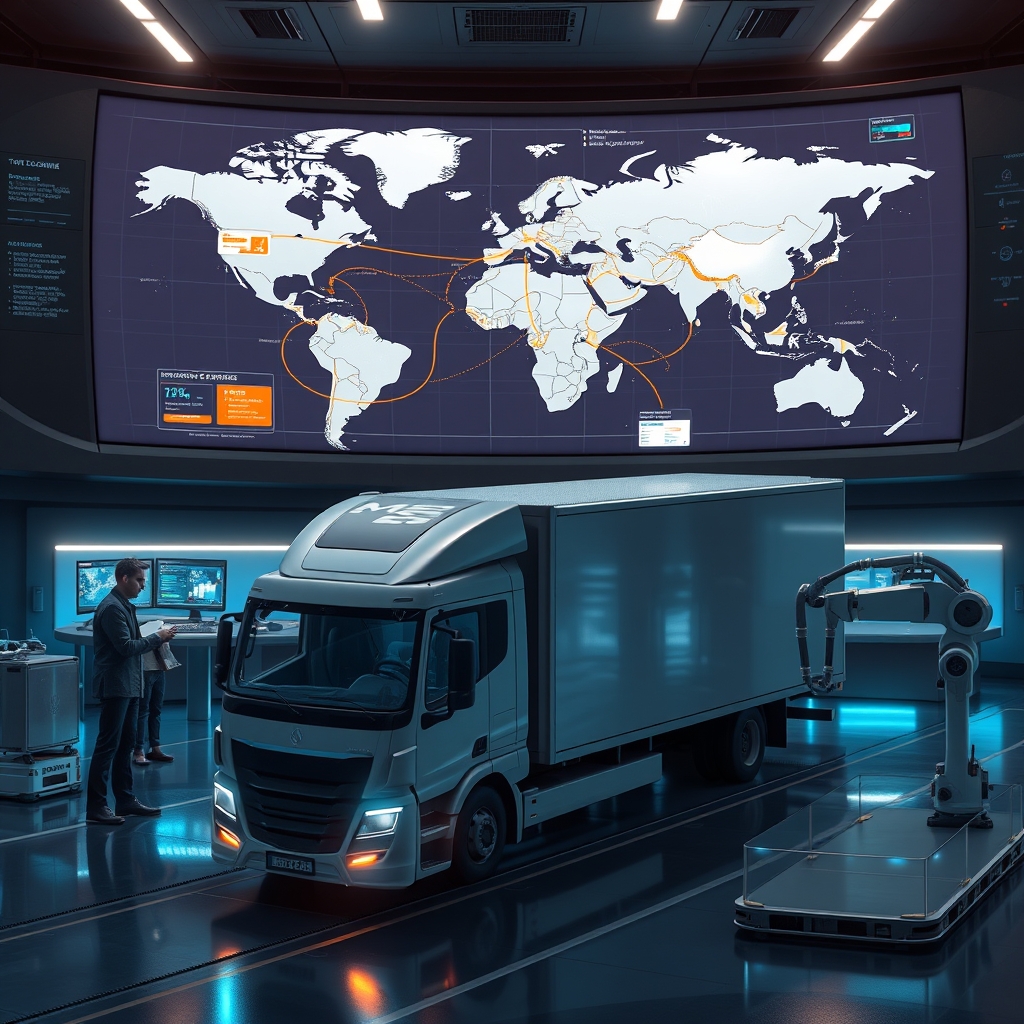
The modern logistics landscape is undergoing a transformation so profound that it’s reshaping the very foundations of how goods move across the globe. At the heart of this evolution lies a combination of adaptive systems and real-time visibility, two forces that are not only enhancing efficiency but also redefining what it means to deliver with precision, speed, and sustainability. The days of static routes and delayed updates are fading, replaced by dynamic, data-driven operations that respond to the ever-changing demands of commerce and consumers alike.
The Power of Adaptive Systems in Logistics
Adaptive systems are the backbone of next-generation logistics, enabling businesses to pivot in real time to disruptions, demand fluctuations, and unforeseen challenges. Unlike traditional logistics models that rely on rigid schedules and predefined routes, adaptive systems leverage artificial intelligence and machine learning to continuously optimize operations. For instance, intelligent route planning algorithms can adjust delivery paths on the fly, accounting for traffic congestion, weather conditions, or even last-minute order changes. This level of flexibility ensures that shipments arrive on time, every time, while also reducing fuel consumption and operational costs.
Moreover, adaptive systems extend beyond route optimization. They encompass automated shipment fulfillment, where AI-driven robots and automated guided vehicles (AGVs) work in tandem to pick, pack, and sort goods with unparalleled accuracy. This not only accelerates the fulfillment process but also minimizes human error, leading to fewer delays and higher customer satisfaction. The integration of these technologies into logistics workflows is not just an upgrade—it’s a complete reimagining of how supply chains function.
Real-Time Visibility: The Game-Changer for Modern Logistics
If adaptive systems are the engine of modern logistics, real-time visibility is the fuel that keeps it running. The ability to track shipments at every stage of their journey—from warehouse departure to final delivery—has become a non-negotiable expectation for businesses and consumers alike. Real-time transit visibility platforms provide a granular view of cargo movements, offering insights into location, condition, and estimated time of arrival (ETA). This transparency is invaluable for businesses managing complex supply chains, as it allows them to proactively address potential delays, reroute shipments, or communicate updates to customers.
For consumers, real-time visibility translates into a seamless and trustworthy delivery experience. Imagine ordering a product online and receiving live updates on its journey, complete with a dynamic ETA that adjusts based on real-world conditions. This level of transparency not only enhances customer satisfaction but also builds brand loyalty. It’s no longer enough for logistics providers to deliver goods—they must also deliver peace of mind, and real-time visibility is the key to achieving that.
Sustainable and Customer-Centric: The Dual Pillars of Modern Logistics
As logistics operations become more adaptive and transparent, they are also becoming more sustainable and customer-centric. Sustainable delivery networks are no longer a niche concern but a core component of modern logistics strategies. Companies are increasingly adopting electric vehicles, optimizing delivery routes to reduce carbon emissions, and leveraging renewable energy sources to power warehouses and distribution centers. These efforts are not just about meeting regulatory requirements—they’re about future-proofing logistics operations in a world where sustainability is a competitive advantage.
At the same time, customer-focused distribution is taking center stage. Personalized delivery scheduling, for example, allows consumers to choose delivery windows that fit their schedules, reducing missed deliveries and enhancing convenience. Hyper-local transport solutions are another innovation, enabling businesses to fulfill orders from nearby warehouses or micro-fulfillment centers, thereby reducing delivery times and costs. These customer-centric approaches are redefining the logistics experience, making it more responsive, flexible, and tailored to individual needs.
The Role of Data in Crafting a Seamless Logistics Experience
Data is the lifeblood of adaptive logistics and real-time visibility. Every shipment generates a wealth of information—from GPS coordinates and temperature readings to traffic patterns and delivery preferences. By harnessing this data, logistics providers can make informed decisions that drive efficiency and improve service quality. Predictive freight tracking, for instance, uses historical data and machine learning to forecast potential delays or disruptions, allowing businesses to take preemptive action. Similarly, data-driven cargo management systems optimize load planning, ensuring that trucks and containers are utilized to their full capacity, reducing waste and lowering costs.
The integration of data into logistics operations also enables enhanced handling transparency. Customers and businesses alike can access detailed information about the condition of their shipments, including temperature, humidity, and handling history. This level of transparency is particularly critical for industries like pharmaceuticals and food, where the integrity of goods is paramount. By providing end-to-end visibility, logistics providers can build trust and demonstrate their commitment to quality and reliability.
The Future of Logistics: A Seamless, Connected Ecosystem
The logistics industry is on the cusp of a new era, one where adaptive systems, real-time visibility, sustainability, and customer-centricity converge to create a seamless, connected ecosystem. Collaborative freight networks are emerging as a powerful force in this transformation, enabling businesses to share resources, optimize capacity, and reduce empty miles. These networks foster collaboration between shippers, carriers, and logistics providers, creating a more efficient and resilient supply chain.
Tech-enabled fleet monitoring is another critical component of this ecosystem. Advanced telematics and IoT devices provide real-time insights into vehicle performance, driver behavior, and fuel efficiency. This data allows fleet managers to optimize routes, reduce downtime, and extend the lifespan of their vehicles. It also enhances safety by monitoring driver fatigue and adherence to traffic regulations, ensuring that goods are delivered securely and on time.
As logistics continues to evolve, the focus will increasingly shift toward creating frictionless interactions between all stakeholders. Whether it’s through automated shipment fulfillment, personalized delivery scheduling, or responsive transport planning, the goal is to make logistics as effortless and reliable as possible. The future of delivery is not just about moving goods from point A to point B—it’s about crafting an experience that is efficient, transparent, and tailored to the needs of businesses and consumers alike. The logistics revolution is here, and it’s reshaping the way the world connects, one shipment at a time.