The Power of Adaptive Last Mile Delivery: Revolutionizing Customer-Focused Distribution
The logistics industry is undergoing a transformative shift, driven by the relentless demand for faster, more reliable, and customer-centric delivery solutions. At the heart of this evolution lies adaptive last mile delivery, a dynamic approach that leverages technology, data, and real-time insights to optimize the final leg of the supply chain. Unlike traditional static delivery models, adaptive last mile delivery adjusts to variables such as traffic, weather, customer preferences, and even unforeseen disruptions, ensuring a seamless logistics experience that meets the ever-growing expectations of modern consumers.
The Rise of Intelligent Route Planning
One of the cornerstones of adaptive last mile delivery is intelligent route planning. Gone are the days when delivery routes were mapped out days in advance with little room for adjustment. Today, advanced algorithms analyze vast amounts of data—including real-time traffic updates, historical delivery patterns, and even pedestrian activity—to dynamically reroute drivers for maximum efficiency. This not only reduces delivery times but also minimizes fuel consumption, contributing to sustainable delivery networks that align with environmental goals.
For businesses, the benefits are clear: lower operational costs, higher delivery success rates, and improved customer satisfaction. For consumers, it means receiving their packages faster and with greater transparency. The integration of tech-enabled fleet monitoring further enhances this process by providing live updates on vehicle locations, driver performance, and potential delays, allowing logistics teams to proactively address issues before they escalate.
Predictive Freight Tracking: The Backbone of Transparency
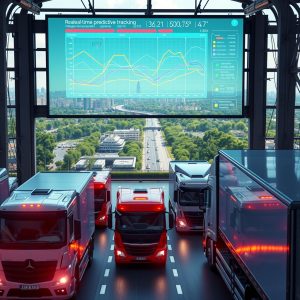
Transparency has become a non-negotiable aspect of modern logistics, and predictive freight tracking is the key to achieving it. By harnessing the power of artificial intelligence and machine learning, logistics providers can now forecast potential delays, optimize cargo handling, and provide customers with accurate, real-time updates on their shipments. This level of enhanced handling transparency builds trust and fosters long-term loyalty, as customers no longer have to wonder about the status of their deliveries.
Moreover, predictive tracking enables businesses to anticipate disruptions—such as port congestion, weather-related delays, or labor shortages—and adjust their strategies accordingly. This proactive approach not only mitigates risks but also ensures that efficient distribution workflows remain uninterrupted, even in the face of unforeseen challenges. The result is a more resilient supply chain that can adapt to the complexities of global commerce.
Personalized Delivery Scheduling: Putting the Customer First
In an era where personalization is king, customer-focused distribution has become a competitive differentiator. Adaptive last mile delivery takes this a step further by offering personalized delivery scheduling, allowing customers to choose delivery windows that suit their lifestyles. Whether it’s same-day delivery, evening drop-offs, or weekend deliveries, this flexibility ensures that logistics providers can cater to the unique needs of each customer.
This level of customization is made possible through the integration of customer data, AI-driven insights, and responsive transport planning. By analyzing past delivery preferences, purchase behaviors, and even social media activity, logistics providers can anticipate demand and tailor their services accordingly. The result is a more engaging and satisfying experience for the customer, one that fosters brand loyalty and repeat business.
Hyper-Local Transport Solutions: Bridging the Gap in Urban Logistics
As urbanization continues to rise, the demand for hyper-local transport solutions has never been greater. Adaptive last mile delivery addresses this need by leveraging local distribution centers, micro-fulfillment hubs, and even crowd-sourced delivery networks to ensure that packages reach their destinations quickly and efficiently. This approach not only reduces the carbon footprint of deliveries but also alleviates congestion in densely populated areas.
For example, companies are increasingly partnering with local couriers or using electric cargo bikes for last-mile deliveries in urban centers. These scalable transport services are not only environmentally friendly but also cost-effective, as they reduce reliance on traditional delivery vehicles that may struggle with traffic and parking constraints. By embracing hyper-local solutions, logistics providers can create a more agile and responsive supply chain that meets the demands of modern urban living.
The Role of Automated Shipment Fulfillment
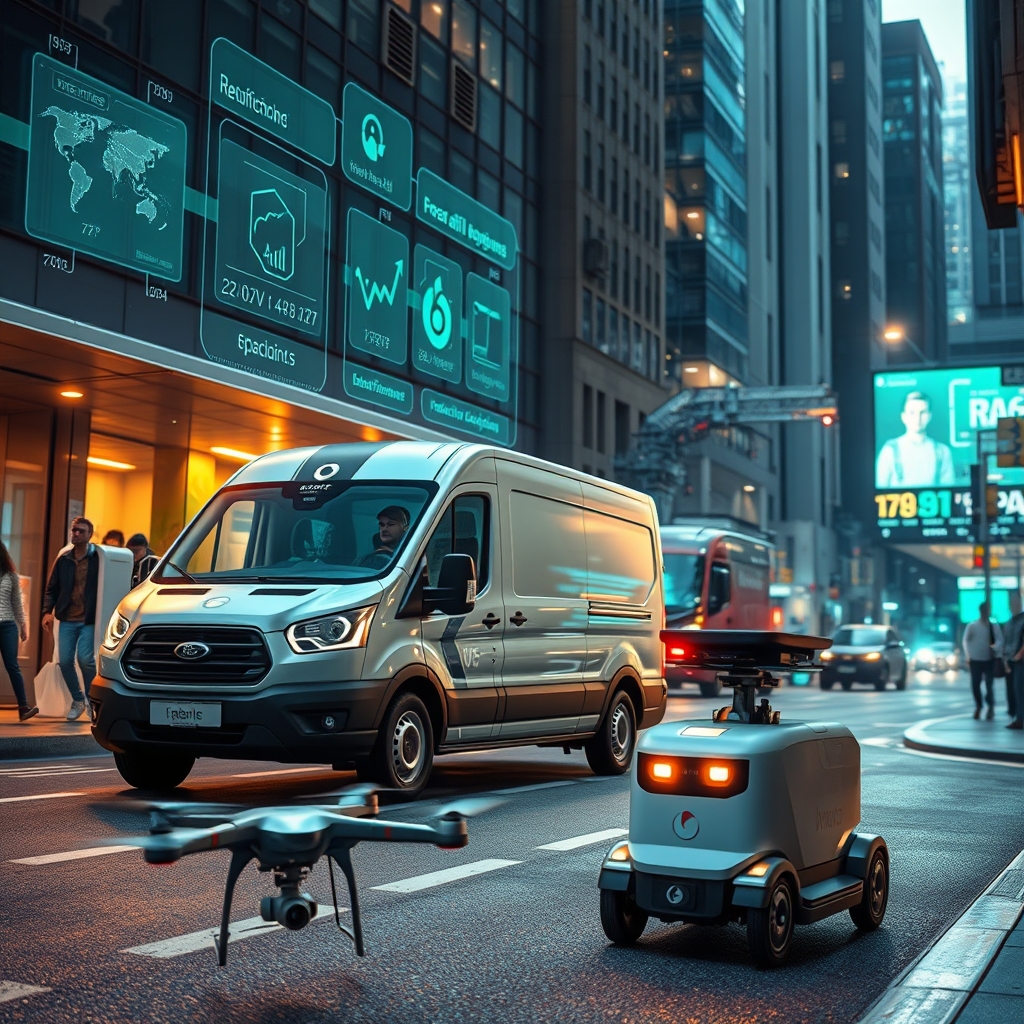
Automation is another critical component of adaptive last mile delivery, particularly when it comes to automated shipment fulfillment. From robotic sorting systems in warehouses to autonomous delivery vehicles on the road, automation streamlines the entire fulfillment process, reducing human error and accelerating delivery times. This technology is particularly valuable in high-volume environments, where speed and accuracy are paramount.
For instance, automated sorting systems can process thousands of packages per hour, ensuring that each item is routed to the correct delivery vehicle with minimal delay. Meanwhile, autonomous delivery vehicles—such as drones or self-driving vans—are being tested in various markets to further enhance the efficiency of last-mile deliveries. While these technologies are still in their infancy, their potential to revolutionize logistics is undeniable.
Building a Future-Ready Logistics Network
The logistics industry is at a crossroads, with traditional models struggling to keep pace with the demands of modern commerce. Adaptive last mile delivery represents a paradigm shift, one that prioritizes flexibility, transparency, and customer satisfaction. By embracing intelligent route planning, predictive freight tracking, personalized delivery scheduling, and hyper-local transport solutions, logistics providers can create a supply chain that is not only efficient but also resilient in the face of change.
As technology continues to advance, the possibilities for adaptive last mile delivery are limitless. From AI-driven analytics to autonomous vehicles, the tools are already here—it’s up to businesses to harness them and redefine what’s possible in logistics. The future of delivery isn’t just about getting packages from point A to point B; it’s about creating an experience that is seamless, sustainable, and deeply connected to the needs of the customer. In this rapidly evolving landscape, those who adapt will thrive, while those who resist risk being left behind.