The Future of Delivery: How Scalable Transport Services and Efficient Distribution Workflows Are Redefining Seamless Logistics
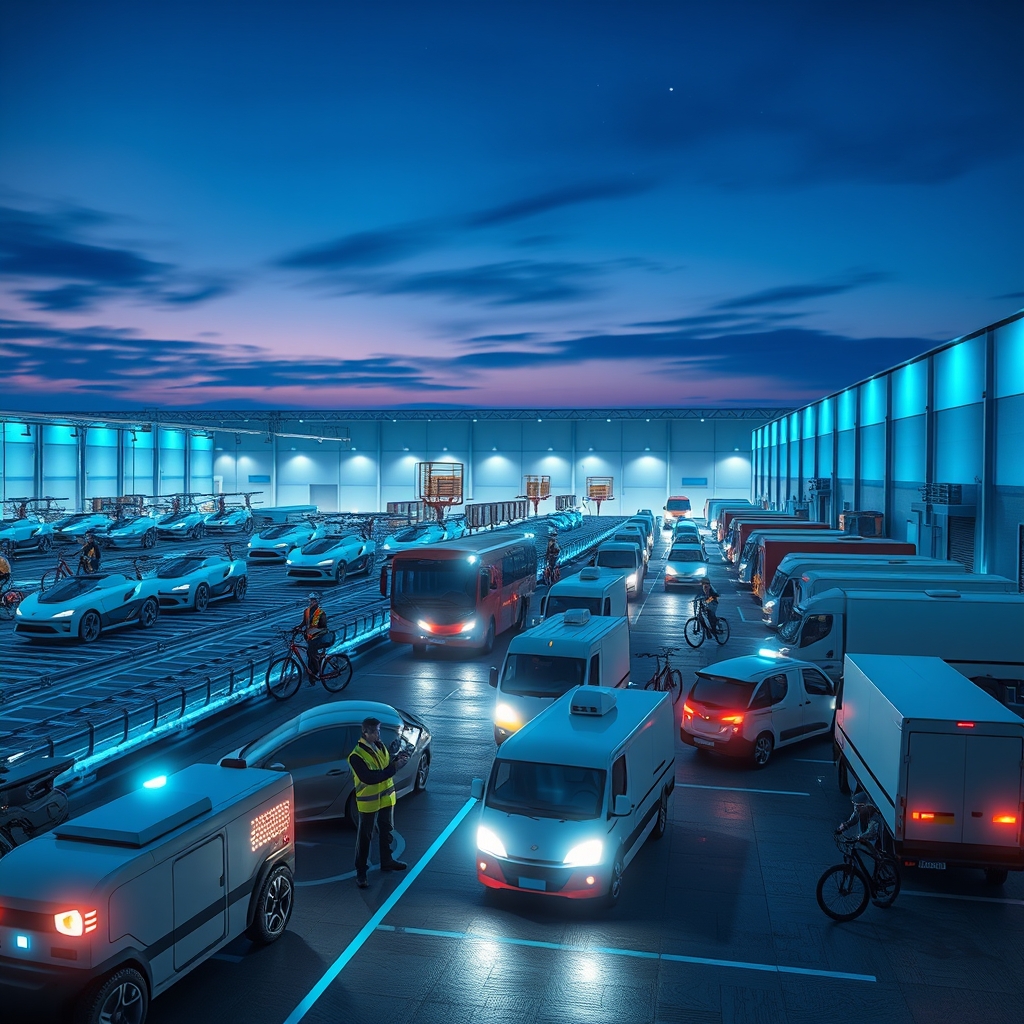
In an era where instant gratification has become the norm, the logistics industry is under immense pressure to deliver not just faster, but smarter. The modern consumer expects their packages to arrive on time, every time, with minimal hassle. Behind the scenes, this seamless experience is powered by a complex interplay of scalable transport services and efficient distribution workflows, both of which are undergoing a radical transformation thanks to technological advancements. These innovations are not just improving speed—they are redefining what it means to move goods in a connected world.
The Backbone of Modern Logistics: Scalable Transport Services
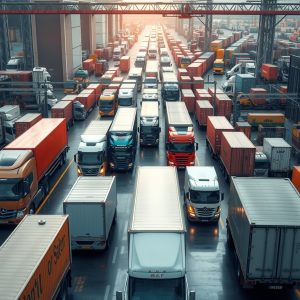
Scalability has become the cornerstone of modern logistics. Businesses no longer operate in silos; they thrive in dynamic ecosystems where demand can fluctuate wildly from one day to the next. Scalable transport services are designed to adapt to these changes, ensuring that whether it’s a sudden surge in orders or an unexpected disruption, the supply chain remains resilient. This flexibility is achieved through a combination of modular fleet management, on-demand transportation partnerships, and cloud-based logistics platforms that can scale resources up or down in real time.
For example, during peak seasons like Black Friday or the holiday rush, logistics providers can quickly expand their capacity by integrating third-party carriers or leveraging crowdsourced delivery networks. This ensures that no matter how overwhelming the demand, the system can handle it without breaking down. Conversely, during slower periods, resources can be scaled back to optimize costs, making the entire operation more sustainable and efficient.
Tech-Enabled Fleet Monitoring: The Eyes and Ears of Scalability
At the heart of scalable transport services lies tech-enabled fleet monitoring. Advanced telematics, IoT sensors, and AI-driven analytics provide real-time insights into vehicle performance, driver behavior, and route efficiency. These tools allow logistics managers to make data-driven decisions, such as rerouting vehicles to avoid traffic congestion or predicting maintenance needs before a breakdown occurs. The result is a fleet that operates like a well-oiled machine, capable of adapting to any challenge that comes its way.
Moreover, fleet monitoring extends beyond just tracking vehicles. It includes monitoring fuel consumption, emissions, and even driver well-being, ensuring that scalability does not come at the expense of sustainability or safety. By integrating these metrics into a centralized dashboard, logistics providers can achieve a level of operational transparency that was once unimaginable.
Efficient Distribution Workflows: The Art of Precision
While scalable transport services ensure that goods can move flexibly, efficient distribution workflows guarantee that they move precisely. In the past, distribution was often a linear process—goods would move from point A to point B with little consideration for optimization. Today, however, distribution workflows are being reimagined through intelligent route planning, predictive analytics, and automated fulfillment systems that minimize delays and maximize efficiency.
Intelligent Route Planning: Navigating the Complexity
One of the most significant advancements in distribution workflows is intelligent route planning. Traditional routing methods relied on static maps and historical data, which often led to inefficiencies like unnecessary detours or missed delivery windows. Modern route planning, however, leverages AI and machine learning to analyze real-time data, such as traffic patterns, weather conditions, and even road closures, to dynamically adjust routes on the fly.
This level of adaptability ensures that deliveries are not only faster but also more reliable. For instance, if a sudden storm disrupts a planned route, the system can instantly recalculate the best alternative path, minimizing delays and keeping customers informed. This kind of responsiveness is what sets apart a seamless logistics experience from a frustrating one.
Automated Shipment Fulfillment: The Rise of the Machines
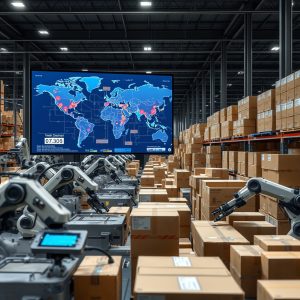
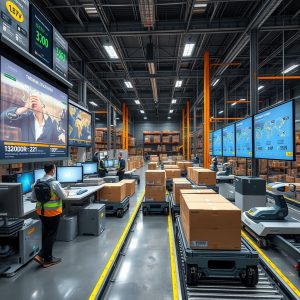
Another critical component of efficient distribution workflows is automated shipment fulfillment. Warehouses are no longer just storage spaces; they are high-tech hubs where robots, AI, and human workers collaborate to pick, pack, and ship orders with unprecedented speed and accuracy. Automated systems can process thousands of orders in a fraction of the time it would take a human team, reducing errors and accelerating the entire fulfillment process.
For example, autonomous mobile robots (AMRs) can navigate warehouses to retrieve items, while AI-powered sorting systems can categorize packages based on size, weight, and destination. This automation not only speeds up the process but also frees up human workers to focus on more complex tasks, such as quality control or customer service. The result is a distribution workflow that is both highly efficient and adaptable to changing demands.
The Human Element: Balancing Technology and Customer Focus
While technology plays a pivotal role in scaling transport services and optimizing distribution workflows, it’s important not to overlook the human element. At the end of the day, logistics is about connecting people—whether it’s a business delivering products to a customer or a family receiving a much-anticipated package. This is where customer-focused distribution comes into play, ensuring that technology enhances rather than detracts from the overall experience.
Personalized Delivery Scheduling: Putting the Customer First
One of the ways logistics providers are putting customers first is through personalized delivery scheduling. Instead of offering rigid delivery windows, modern logistics platforms allow customers to choose a time that works best for them, whether it’s same-day delivery, a specific time slot, or even a preferred location for pickup. This level of customization not only improves customer satisfaction but also reduces the likelihood of missed deliveries, which can be costly for both the provider and the recipient.
For instance, some companies now offer dynamic delivery options, where customers can reroute their package in real time if their plans change. This kind of flexibility is a game-changer in an age where convenience is king. By leveraging data-driven insights, logistics providers can anticipate customer needs and tailor their services accordingly, creating a truly seamless experience.
Enhanced Handling Transparency: Building Trust Through Visibility
Another key aspect of customer-focused distribution is enhanced handling transparency. In the past, customers were often left in the dark about the status of their deliveries, leading to frustration and uncertainty. Today, however, real-time transit visibility has become the standard, with customers receiving updates at every stage of the journey—from the moment their package leaves the warehouse to the second it arrives at their doorstep.
This transparency builds trust and reassures customers that their delivery is in good hands. It also allows logistics providers to proactively address any issues that may arise, such as delays or damaged goods, by keeping the customer informed and offering solutions in real time. In a world where trust is a precious commodity, this level of transparency is invaluable.
As the logistics industry continues to evolve, the focus on scalable transport services and efficient distribution workflows will only intensify. These innovations are not just about moving goods faster; they are about creating a logistics ecosystem that is adaptable, transparent, and customer-centric. By embracing technology while keeping the human element at the forefront, logistics providers can deliver an experience that is not only seamless but also deeply satisfying for everyone involved. The future of delivery is here, and it’s more connected, efficient, and responsive than ever before.