The Strategic Role of Advanced Fleet Management in Revolutionizing Modern Logistics and Supply Chain Efficiency

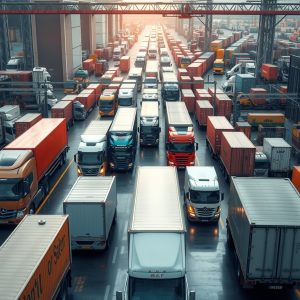
In the fast-paced world of global logistics, the efficiency of transportation services often determines the success of supply chain operations. Among the many components that drive this efficiency, fleet management stands out as a critical factor that directly impacts cost, reliability, and sustainability. As businesses expand their distribution networks and grapple with the complexities of international trade, the need for advanced fleet management solutions has never been more pressing. These systems are no longer just about tracking vehicles; they are about leveraging technology to create smarter, more responsive, and environmentally responsible logistics operations.
The Evolution of Fleet Management in Logistics
Fleet management has undergone a remarkable transformation over the past decade. Traditionally, it was a manual process focused on basic vehicle maintenance, fuel tracking, and driver scheduling. However, the rise of digital technologies such as IoT, AI, and real-time analytics has redefined what fleet management can achieve. Today, it encompasses a wide range of functionalities, including predictive maintenance, route optimization, fuel efficiency monitoring, and even driver behavior analysis. These advancements have enabled logistics companies to reduce operational costs, minimize downtime, and enhance overall productivity.
One of the most significant shifts in modern fleet management is the integration of telematics. By equipping vehicles with GPS and sensors, companies can now monitor their fleets in real-time, gaining insights into vehicle location, speed, and fuel consumption. This data is invaluable for optimizing routes, reducing idle time, and ensuring that deliveries are made on schedule. Moreover, telematics systems can alert fleet managers to potential issues before they escalate, such as engine malfunctions or unsafe driving practices, allowing for proactive maintenance and improved safety.
The Impact of AI and Machine Learning on Fleet Efficiency
Artificial intelligence and machine learning are playing an increasingly pivotal role in fleet management. These technologies enable logistics companies to analyze vast amounts of data to identify patterns and make data-driven decisions. For example, AI-powered route optimization tools can consider factors such as traffic conditions, weather, and delivery windows to determine the most efficient paths for drivers. This not only reduces fuel consumption and emissions but also ensures that goods reach their destinations faster, enhancing customer satisfaction.
Machine learning algorithms can also predict maintenance needs with remarkable accuracy. By analyzing historical data on vehicle performance, these systems can forecast when a component is likely to fail, allowing fleet managers to schedule maintenance during off-peak hours. This predictive approach minimizes unexpected breakdowns and extends the lifespan of vehicles, resulting in significant cost savings over time. Additionally, AI-driven analytics can help companies identify trends in driver behavior, such as harsh braking or excessive idling, and provide targeted training to improve efficiency and safety.
Sustainability: A Key Driver of Modern Fleet Management
As environmental concerns take center stage in global trade, sustainability has become a critical consideration in fleet management. Logistics companies are under increasing pressure to reduce their carbon footprint, and advanced fleet management systems are proving to be a powerful tool in achieving this goal. By optimizing routes, reducing idle time, and improving fuel efficiency, these systems help minimize emissions and lower operational costs simultaneously.
Electric and hybrid vehicles are also gaining traction in the logistics industry, and fleet management systems are evolving to support these alternatives. For instance, companies can use telematics to monitor the battery life of electric vehicles, plan charging schedules, and ensure that drivers have access to charging stations along their routes. Furthermore, fleet management software can help businesses track their sustainability metrics, such as fuel consumption and emissions, providing valuable data for reporting and compliance purposes.
The Role of Fleet Management in Enhancing Supply Chain Resilience
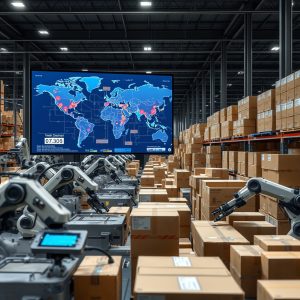
Supply chain resilience has become a top priority for businesses, particularly in the wake of global disruptions such as the COVID-19 pandemic. Fleet management plays a crucial role in building this resilience by ensuring that transportation services remain reliable and adaptable. For example, real-time tracking and analytics enable companies to quickly reroute shipments in response to unexpected delays, such as traffic jams or weather-related road closures. This agility is essential for maintaining the flow of goods and minimizing disruptions to the supply chain.
Moreover, fleet management systems can enhance collaboration between different stakeholders in the supply chain. By providing visibility into vehicle locations and delivery statuses, these systems enable logistics providers, warehouses, and customers to coordinate more effectively. This transparency not only improves efficiency but also fosters trust and strengthens relationships between partners. In an era where supply chain disruptions are becoming increasingly common, the ability to adapt and respond quickly is a competitive advantage that cannot be overlooked.
Overcoming Challenges in Fleet Management
Despite its many benefits, advanced fleet management is not without its challenges. One of the primary obstacles is the high cost of implementing and maintaining these systems. For small and medium-sized logistics companies, the upfront investment in telematics, AI, and other technologies can be prohibitive. However, the long-term savings in fuel, maintenance, and operational efficiency often outweigh the initial costs, making it a worthwhile investment for businesses of all sizes.
Another challenge is data security. With fleet management systems collecting vast amounts of sensitive information, such as vehicle locations and driver behavior, ensuring the privacy and security of this data is paramount. Logistics companies must invest in robust cybersecurity measures to protect against potential breaches and comply with data protection regulations. Additionally, training employees on best practices for data security can help mitigate risks and ensure that sensitive information remains confidential.
As the logistics industry continues to evolve, the role of fleet management in driving efficiency, sustainability, and resilience will only grow in importance. By embracing advanced technologies and data-driven strategies, logistics companies can optimize their operations, reduce costs, and enhance their competitive edge in the global market. The future of logistics lies in the ability to adapt and innovate, and fleet management is at the heart of this transformation. Whether it’s through AI-powered analytics, real-time tracking, or sustainable practices, the possibilities for improving fleet efficiency are endless. The key to success lies in leveraging these tools to create a logistics ecosystem that is not only efficient but also adaptable to the ever-changing demands of global trade.