Future-Proofing the Global Supply Chain: Technology, Resilience, and Sustainability
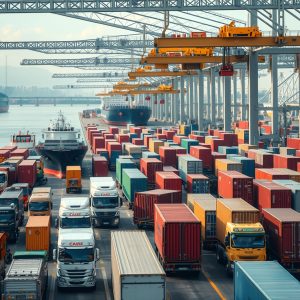
The global economy operates on a delicate, almost invisible web of movement, connecting raw materials in one hemisphere to eager consumers in another. For decades, this intricate system was optimized for a single, overriding metric: cost efficiency. However, recent global disruptions have exposed the profound fragility of this purely lean approach. Today, the industry is undergoing a monumental paradigm shift. The focus has decisively pivoted away from mere cost reduction toward a more robust, dynamic objective. This new era demands systems that can absorb shocks, adapt to unforeseen challenges, and maintain continuous operations regardless of external volatility. In this transformative landscape, technological innovation and sustainable practices are no longer optional upgrades; they are the fundamental building blocks of modern commerce.
The New Standard: Supply Chain Resilience
Historically, supply chains were built on the “just-in-time” philosophy, which minimized inventory holding costs but left virtually no room for error. When a single node failed—be it a blocked canal, a sudden geopolitical conflict, or a global health crisis—the cascading effects were immediate and devastating. Building true supply chain resilience means transitioning from a “just-in-time” model to a “just-in-case” methodology, without sacrificing operational efficiency. Resilience is the capacity of a supply chain to anticipate, prepare for, respond to, and rapidly recover from disruptions.
Achieving this requires a profound structural transformation. Companies are increasingly diversifying their supplier bases, moving away from single-source dependencies, and exploring nearshoring or onshoring options. But structural changes alone are insufficient. The real magic happens when physical diversification is paired with digital intelligence. By creating digital twins of their entire logistics networks, organizations can simulate potential disaster scenarios, stress-test their vulnerabilities, and develop contingency plans before a crisis ever materializes. This proactive stance ensures that when the unexpected occurs, the response is calculated and swift, rather than panicked and reactive.
Illuminating the Dark Corners with Real-Time Tracking
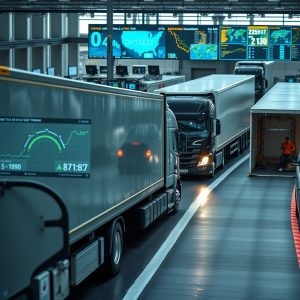
You cannot manage what you cannot see, and you certainly cannot protect it. The bedrock of a resilient network is absolute, uncompromised visibility. Real-time tracking has evolved far beyond the simple barcode scans of the past. Today, it leverages a sophisticated matrix of Internet of Things (IoT) sensors, advanced GPS technology, and cloud-based analytics to provide a continuous, high-definition picture of global inventory movement.
These smart sensors do more than just relay geographic coordinates. They monitor the condition of the cargo itself, which is particularly vital for cold chain management. If a refrigerated container carrying sensitive pharmaceuticals or perishable food experiences a temperature fluctuation, the system instantly triggers an alert, allowing operators to intervene before the cargo is compromised. Furthermore, real-time tracking feeds massive volumes of data into predictive AI models. These models analyze weather patterns, port congestion reports, and global traffic data to predict delays days in advance, allowing logistics managers to reroute shipments proactively and keep the lifeblood of commerce flowing uninterrupted.
The Brain of the Operation: Smart Warehousing
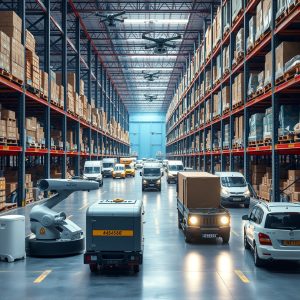
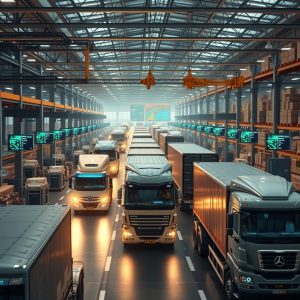
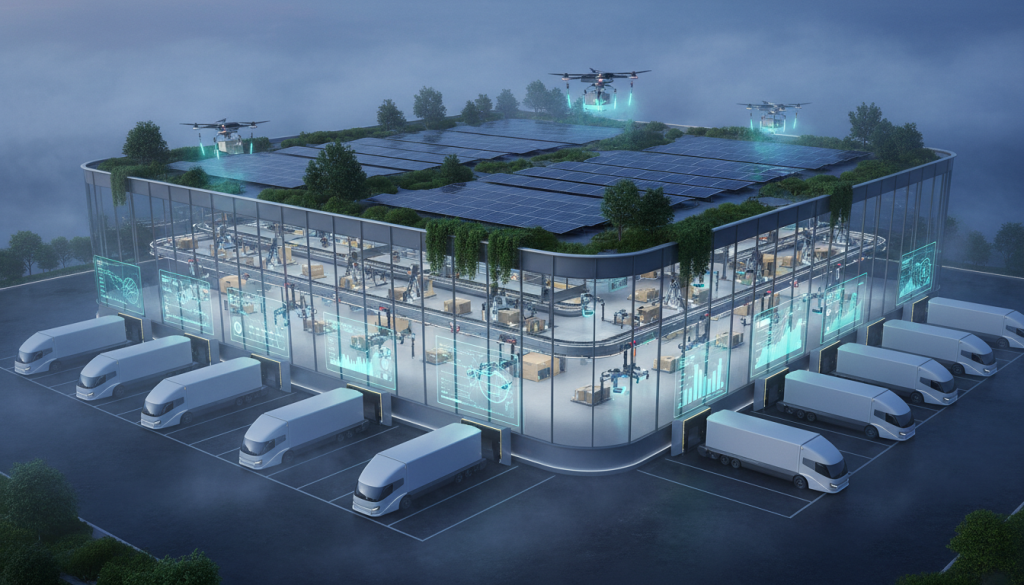
As goods move across the globe, they inevitably pass through the critical nodes of the supply chain: warehouses. The traditional warehouse—a static, labor-intensive storage facility—is rapidly becoming obsolete. In its place, the smart warehouse has emerged as a dynamic, highly automated hub of efficiency. Smart warehousing integrates robotics, artificial intelligence, and the IoT to create an ecosystem where machines and human workers collaborate seamlessly.
Inside these futuristic facilities, Automated Guided Vehicles (AGVs) and autonomous drones navigate complex aisles with pinpoint precision, executing inventory counts in minutes that would take human teams days to complete. AI-driven warehouse management systems optimize the placement of goods based on predictive demand, placing fast-moving items closer to shipping docks to minimize retrieval times. This level of inventory optimization drastically reduces holding costs while ensuring that stockouts become a relic of the past. By automating repetitive, physically demanding tasks, smart warehouses not only accelerate order fulfillment but also significantly enhance workplace safety and accuracy.
Mastering the Move: Route Optimization and Fleet Telematics
Once a product leaves the warehouse, the race against the clock truly begins. The final and most complex leg of the journey relies heavily on how efficiently a fleet can navigate the physical world. Route optimization is no longer just about finding the shortest distance between point A and point B. Modern algorithms process millions of data points per second—including real-time traffic conditions, road closures, vehicle weight restrictions, and even the specific delivery time windows of individual customers.
Coupled with advanced fleet telematics, this technology transforms vehicles into rolling data centers. Telematics systems monitor engine diagnostics, fuel consumption, and driver behavior in real time. This wealth of information allows dispatchers to coach drivers on safer, more fuel-efficient driving habits and schedule preventative maintenance before a breakdown occurs. By eliminating empty miles and reducing idle times, route optimization and telematics work in tandem to squeeze every ounce of efficiency out of the transportation network.
The Imperative of Green Logistics
The optimization of routes and fleets naturally intersects with one of the most pressing mandates of our time: environmental sustainability. The logistics industry is historically one of the largest contributors to global carbon emissions, but green logistics is turning the tide. Consumers and regulatory bodies alike are demanding eco-friendly practices, forcing companies to reevaluate their environmental footprints.
Green logistics encompasses a broad spectrum of initiatives, from deploying electric and hydrogen-powered delivery vehicles to utilizing biodegradable packaging materials. Furthermore, the very software that optimizes delivery routes inherently reduces fuel consumption and greenhouse gas emissions. By consolidating shipments through intermodal transportation—shifting freight from trucks to more energy-efficient trains or ships where possible—companies can drastically lower their carbon output. Sustainability is no longer viewed as a costly public relations exercise; it is recognized as a driver of long-term profitability and brand loyalty.
The modernization of the global supply chain is a testament to human ingenuity in the face of mounting complexity. As physical infrastructure intertwines with digital intelligence, the journey of a product from manufacturer to consumer becomes a masterclass in precision and adaptability. The integration of intelligent sensors, autonomous hubs, and eco-conscious routing strategies creates an ecosystem that does more than just survive disruptions; it thrives amidst them. Embracing these technological and sustainable advancements ensures that the arteries of global trade remain robust, responsive, and ready for whatever the future may hold.