How AI is Revolutionizing Logistics Management in Global Trade
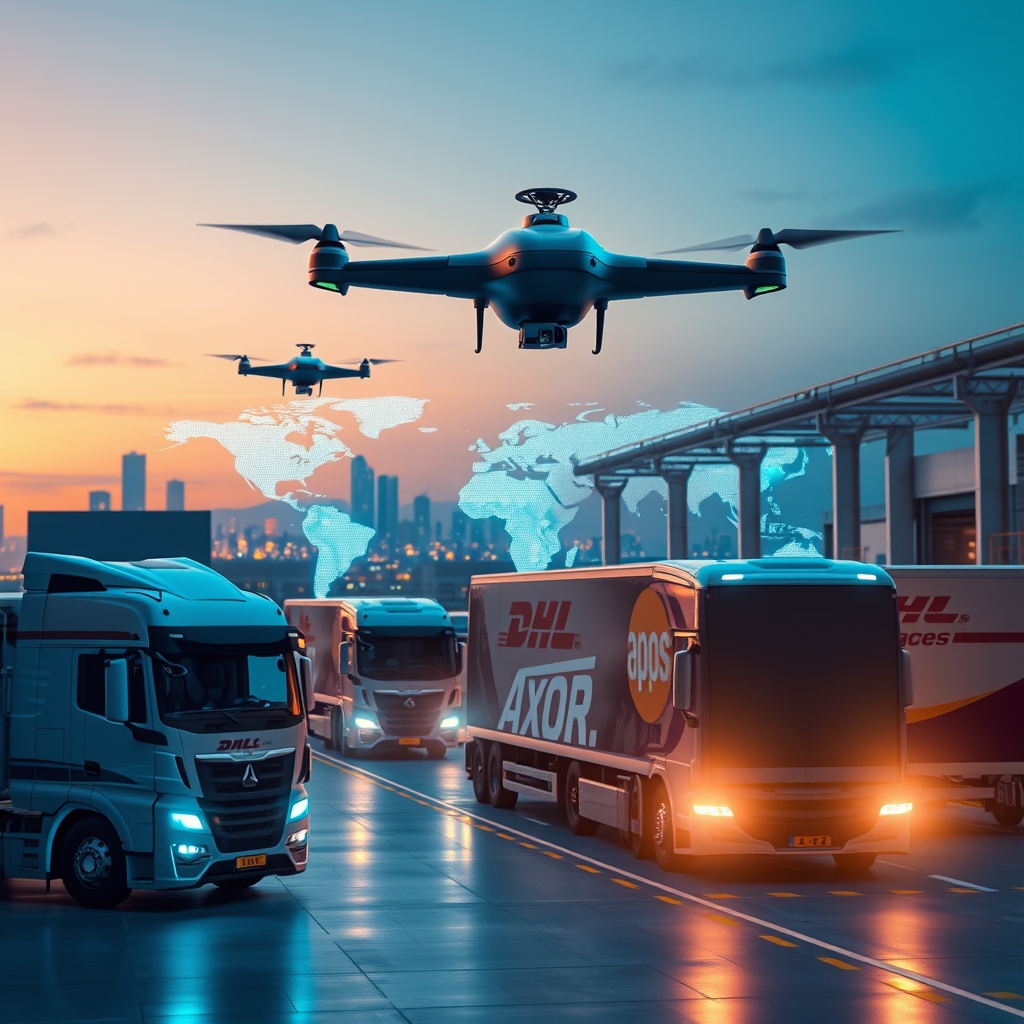
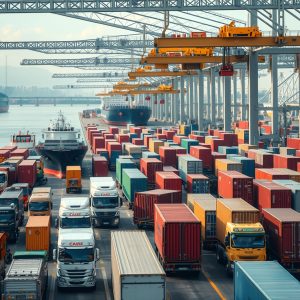
The logistics industry, the backbone of global trade, is undergoing a seismic shift. Artificial Intelligence (AI) and machine learning (ML) are no longer futuristic concepts but powerful tools reshaping how goods move across continents. From predictive analytics to autonomous vehicles, AI is optimizing operations, reducing costs, and enhancing efficiency in ways previously unimaginable. This transformation is not just about technology; it’s about redefining the very fabric of supply chain management.
The Power of Predictive Analytics in Demand Forecasting
One of the most significant challenges in logistics is predicting demand accurately. Traditional methods often rely on historical data and manual analysis, which can be slow and prone to errors. AI changes this by leveraging vast datasets to forecast demand with remarkable precision. Machine learning algorithms analyze patterns in consumer behavior, market trends, and even external factors like weather or geopolitical events to predict demand fluctuations.
For example, companies like Amazon and Walmart use AI-driven demand forecasting to optimize inventory levels. By anticipating which products will be in high demand, they reduce overstocking and stockouts, ensuring that shelves are stocked efficiently. This not only cuts costs but also improves customer satisfaction by minimizing delays and ensuring product availability.
Real-Time Route Optimization
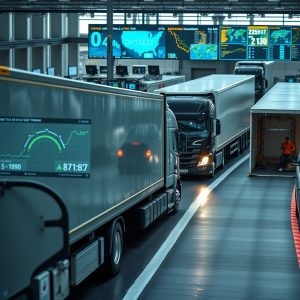
Another area where AI is making a profound impact is route optimization. Logistics companies often grapple with the challenge of delivering goods on time while minimizing fuel consumption and operational costs. AI-powered systems analyze real-time traffic data, weather conditions, and even road closures to determine the most efficient routes for delivery trucks.
UPS, for instance, uses its ORION (On-Road Integrated Optimization and Navigation) system, which relies on AI to optimize delivery routes. The system has saved the company millions of miles driven annually, reducing fuel consumption and carbon emissions. Similarly, DHL employs AI to dynamically adjust routes based on real-time data, ensuring that deliveries are not only faster but also more sustainable.
Autonomous Vehicles and Drones: The Future of Delivery
The rise of autonomous vehicles and drones is perhaps the most visible sign of AI’s influence on logistics. Companies like Tesla, Waymo, and Embark are developing self-driving trucks that promise to revolutionize long-haul transportation. These vehicles use AI to navigate roads, avoid obstacles, and make real-time decisions, reducing the need for human drivers and increasing efficiency.
Drones, on the other hand, are being used for last-mile delivery, particularly in remote or hard-to-reach areas. Companies like Zipline and Wing are already using drones to deliver medical supplies, food, and other essentials in regions where traditional delivery methods are impractical. AI ensures that these drones can navigate complex environments, avoid collisions, and deliver packages safely and efficiently.
Warehouse Automation and Robotics
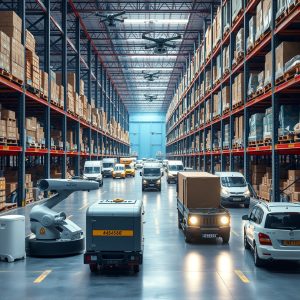
Inside warehouses, AI-powered robots are transforming how goods are stored, picked, and packed. Companies like Amazon and Alibaba use robotic systems to automate repetitive tasks, such as sorting and moving inventory. These robots use computer vision and machine learning to identify and handle products with precision, reducing errors and speeding up operations.
For example, Amazon’s Kiva robots autonomously transport shelves of products to human workers, who then pick and pack items for shipment. This system has significantly increased the speed and accuracy of order fulfillment, allowing Amazon to handle millions of orders daily. Similarly, Alibaba’s automated warehouses use AI to manage inventory, ensuring that products are always in the right place at the right time.
The Role of AI in Risk Management and Fraud Detection
Logistics is not just about moving goods; it’s also about managing risks. AI plays a crucial role in identifying potential disruptions, such as delays, theft, or fraud. Machine learning algorithms analyze historical data and real-time inputs to detect anomalies and predict risks before they escalate.
For instance, Maersk, the world’s largest container shipping company, uses AI to monitor its fleet and predict maintenance issues before they cause breakdowns. This proactive approach reduces downtime and ensures that ships remain operational. Similarly, AI is used to detect fraudulent activities, such as fake invoices or unauthorized shipments, by analyzing patterns and flagging suspicious transactions.
Sustainability and the Green Logistics Movement
As the world grapples with climate change, sustainability has become a key focus for the logistics industry. AI is helping companies reduce their carbon footprint by optimizing routes, reducing fuel consumption, and improving energy efficiency. For example, AI-powered systems can calculate the most fuel-efficient speeds for trucks or ships, reducing emissions without compromising delivery times.
Companies like FedEx and DHL are investing in AI-driven sustainability initiatives, such as electric delivery vehicles and carbon-neutral shipping options. These efforts not only benefit the environment but also resonate with consumers who are increasingly prioritizing sustainability in their purchasing decisions.
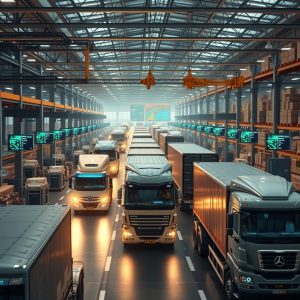
The integration of AI into logistics is not just a trend; it’s a fundamental shift that is redefining how global trade operates. From predictive analytics to autonomous vehicles, AI is enabling companies to operate more efficiently, sustainably, and profitably. As technology continues to evolve, the logistics industry will undoubtedly see even more innovations that push the boundaries of what’s possible. The future of logistics is here, and it’s being shaped by the power of artificial intelligence, creating a world where goods move faster, smarter, and with greater precision than ever before.