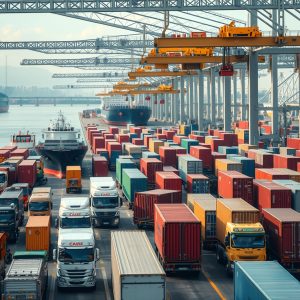
The Pulse of Progress: How Integrated Logistics Management Powers Modern Supply Chains
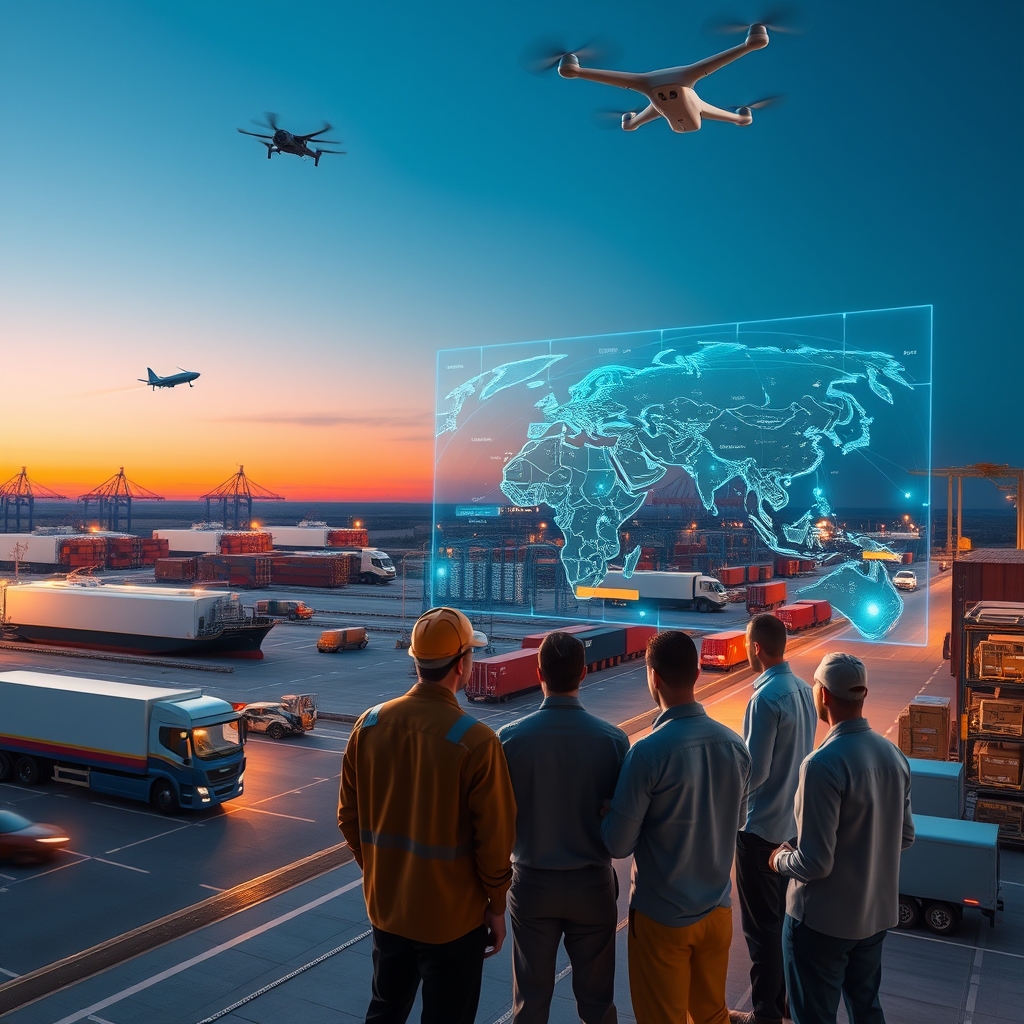
In an era where global commerce moves at the speed of a click, the seamless orchestration of goods across continents has become the lifeblood of modern business. At the heart of this intricate dance lies logistics management—a multifaceted discipline that blends strategy, technology, and operational precision to keep supply chains humming. Far from being a mere back-end function, logistics today is a competitive differentiator, shaping customer experiences, driving cost efficiencies, and enabling businesses to scale with agility. The question is no longer whether logistics matters, but how organizations can harness its full potential to stay ahead in an increasingly complex trade landscape.
The Evolution of Logistics: From Silos to Synergy
Traditionally, logistics was viewed as a series of isolated tasks—warehousing, transportation, and distribution—each managed in silos with little coordination. This fragmented approach often led to inefficiencies, delays, and inflated costs. However, the rise of integrated logistics management has transformed this paradigm. By unifying disparate functions under a single strategic umbrella, businesses can now achieve end-to-end visibility, real-time decision-making, and a level of responsiveness that was once unimaginable.
This shift is particularly evident in the adoption of supply chain solutions that leverage advanced analytics, IoT, and AI. For instance, predictive algorithms can now forecast demand fluctuations with remarkable accuracy, allowing companies to optimize inventory levels and reduce waste. Similarly, IoT-enabled sensors track shipments in real time, providing granular insights into conditions such as temperature, humidity, and location—critical for industries like pharmaceuticals and perishable goods that rely on cold chain logistics. The result is a supply chain that is not only more efficient but also more resilient to disruptions.
The Role of Freight Forwarding in Global Connectivity
At the intersection of international trade and logistics lies freight forwarding, a service that acts as the linchpin for businesses navigating the complexities of cross-border commerce. Freight forwarders are the unsung architects of global trade, coordinating the movement of goods across air, sea, and land while managing critical tasks such as customs clearance, documentation, and compliance with trade regulations. Their expertise is invaluable in mitigating risks, avoiding costly delays, and ensuring that shipments reach their destinations on time and within budget.
The value of freight forwarding becomes even more pronounced in the context of e-commerce logistics, where speed and reliability are non-negotiable. As consumers increasingly expect next-day or even same-day delivery, businesses must rely on freight forwarders to optimize routes, consolidate shipments, and leverage economies of scale. This is especially true for small and medium-sized enterprises (SMEs), which may lack the resources to manage global logistics independently. By partnering with a skilled freight forwarder, these businesses can compete on a global stage without the burden of logistical complexities.
Warehouse Management: The Engine of Supply Chain Efficiency
While transportation often steals the spotlight in discussions about logistics, the role of warehouse management cannot be overstated. A well-designed warehouse is more than just a storage facility; it is a dynamic hub that facilitates the smooth flow of goods from suppliers to end customers. Modern warehouses are equipped with automation technologies such as robotics, automated guided vehicles (AGVs), and warehouse management systems (WMS) that streamline operations, reduce human error, and accelerate order fulfillment.
For example, in the realm of last mile delivery, warehouses serve as critical nodes in the distribution network, enabling businesses to meet the demands of urban consumers with precision. Micro-fulfillment centers, strategically located in densely populated areas, allow companies to store inventory closer to their customers, reducing delivery times and costs. This approach is particularly effective in the e-commerce sector, where the last mile represents a significant portion of the total logistics spend. By optimizing warehouse locations and leveraging data-driven inventory management, businesses can turn the last mile from a challenge into a competitive advantage.
Navigating the Challenges of Global Logistics
The global logistics landscape is not without its challenges. Geopolitical tensions, trade wars, and regulatory changes can disrupt even the most carefully planned supply chains. For instance, trade compliance has become a moving target, with countries frequently updating their import and export regulations. Non-compliance can result in hefty fines, shipment seizures, or even the loss of trading privileges, making it essential for businesses to stay abreast of the latest developments and work with partners who understand the nuances of global trade.
Another pressing challenge is the environmental impact of logistics. As sustainability becomes a priority for consumers and regulators alike, businesses are under increasing pressure to reduce their carbon footprint. This has led to innovations such as electric fleets for land transportation, alternative fuels for maritime transport, and carbon-neutral air cargo services. Companies that proactively embrace these changes not only contribute to a greener planet but also position themselves as leaders in a market where sustainability is fast becoming a key differentiator.
The Future of Logistics: Innovation as the North Star
Looking ahead, the future of logistics will be shaped by a relentless pursuit of innovation. Technologies like blockchain are poised to revolutionize third-party logistics (3PL) by enhancing transparency and trust across the supply chain. Imagine a world where every transaction, from the sourcing of raw materials to the delivery of the final product, is recorded on an immutable ledger, accessible to all stakeholders. This level of transparency would not only reduce fraud and errors but also streamline audits and compliance checks.
Similarly, the rise of autonomous vehicles and drones promises to redefine fleet management and last mile delivery. Companies like Amazon and UPS are already experimenting with drone deliveries in select markets, while autonomous trucks are being tested for long-haul cargo shipping. These advancements have the potential to drastically reduce delivery times, lower costs, and improve safety—though their widespread adoption will depend on regulatory approvals and public acceptance.
As businesses continue to expand their global footprint, the importance of a robust logistics strategy cannot be overstated. Whether it’s optimizing a distribution network, ensuring the integrity of a cold chain, or navigating the complexities of international trade, logistics is the invisible thread that weaves together the fabric of global commerce. The companies that thrive in this new era will be those that view logistics not as a cost center, but as a strategic asset—one that can drive innovation, enhance customer satisfaction, and unlock new opportunities in an ever-evolving marketplace. In this fast-paced world, where the only constant is change, logistics is the steady hand that keeps the wheels of progress turning.