The Lifeline of Perishable Goods: How Cold Chain Logistics is Redefining Global Trade
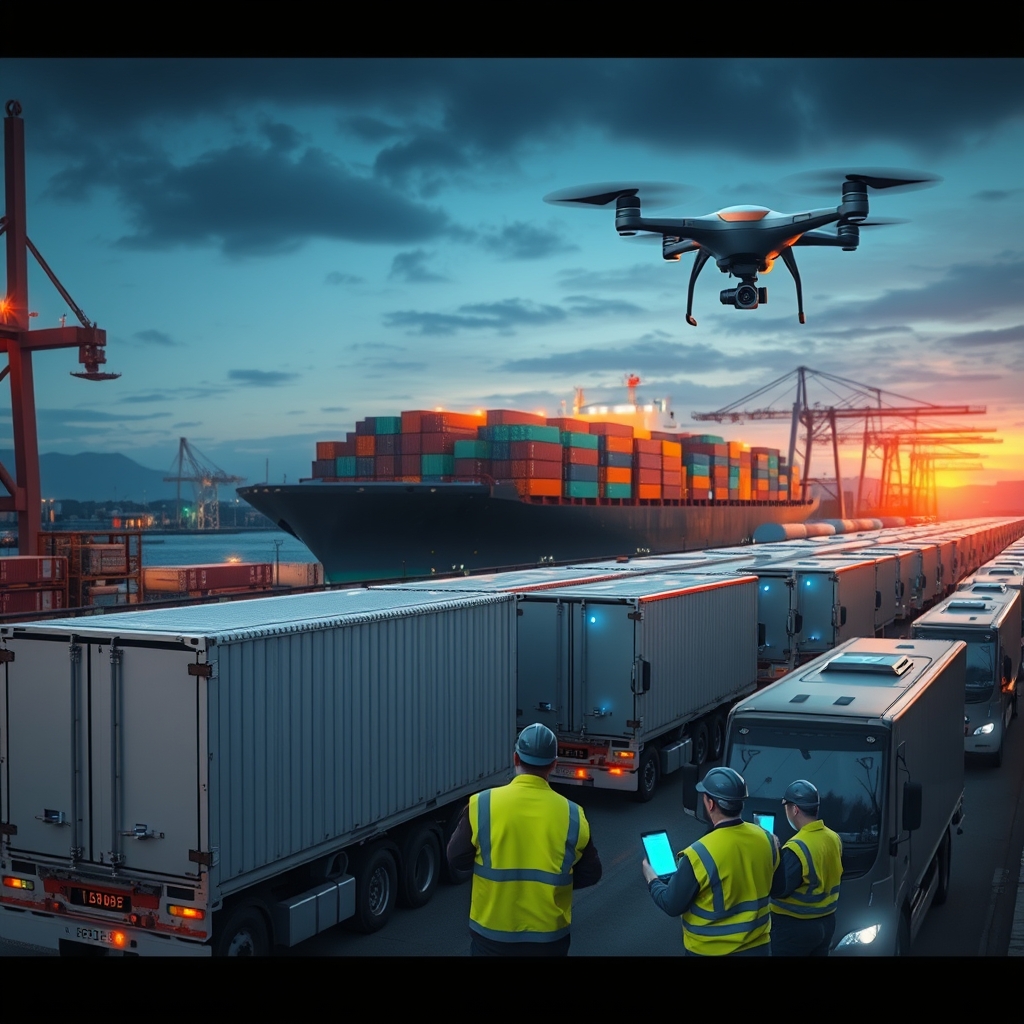
In an era where consumers expect fresh produce, pharmaceuticals, and perishable goods to arrive at their doorsteps in pristine condition, regardless of origin, the role of cold chain logistics has never been more critical. This specialized segment of the supply chain ensures that temperature-sensitive products maintain their integrity from point of origin to final destination, bridging the gap between producers and markets thousands of miles apart. Without it, industries ranging from food and agriculture to healthcare and biotechnology would struggle to operate on a global scale.
The Science Behind Cold Chain Logistics
Cold chain logistics is far more than simply keeping products cold. It is a meticulously engineered process that involves precise temperature control, real-time monitoring, and adaptive transportation solutions. The journey begins at the source—whether it’s a farm, a pharmaceutical lab, or a manufacturing facility—where products are pre-cooled to the optimal temperature. From there, they are transported in refrigerated containers, trucks, or air cargo holds, each equipped with advanced climate control systems that maintain consistent conditions.
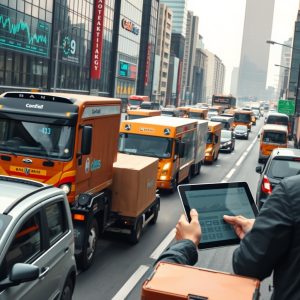
One of the most significant challenges in cold chain logistics is the “last mile,” where the risk of temperature excursions is highest. Innovations such as IoT-enabled sensors and blockchain technology are now being deployed to provide end-to-end visibility. These tools allow logistics providers to track temperature, humidity, and even shock levels in real time, ensuring that any deviations are immediately addressed. For industries like healthcare, where a single degree fluctuation can compromise the efficacy of vaccines or biologics, this level of precision is non-negotiable.
Maritime Transport: The Backbone of Global Cold Chains
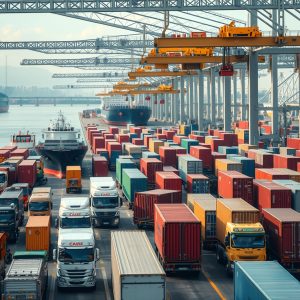
When it comes to moving perishable goods across continents, maritime transport remains the most cost-effective and efficient mode. Reefer containers—specialized refrigerated units—have revolutionized the way temperature-sensitive cargo is shipped. These containers can maintain temperatures as low as -30°C or as high as 30°C, depending on the product’s requirements, and are equipped with independent power sources to ensure uninterrupted cooling during long voyages.
The rise of mega-ships and advanced port infrastructure has further enhanced the efficiency of cold chain logistics. Ports like Rotterdam, Singapore, and Los Angeles have invested heavily in cold storage facilities and automated systems to minimize delays and reduce the risk of spoilage. However, the complexity of maritime cold chains extends beyond technology. Trade compliance and customs clearance play a pivotal role, as delays at ports can disrupt the entire supply chain. Logistics providers must navigate a labyrinth of regulations, tariffs, and documentation to ensure seamless transit, making expertise in international trade a critical asset.
Air Cargo Services: Speed and Precision for High-Value Goods
While maritime transport dominates in volume, air cargo services are indispensable for high-value, time-sensitive perishables. Pharmaceuticals, fresh seafood, and premium produce often rely on air freight to reach global markets within hours rather than days. The speed of air transport minimizes the risk of spoilage and ensures that products arrive in peak condition, making it the preferred choice for luxury goods and emergency medical supplies.
However, air cargo presents its own set of challenges. Limited cargo space, stringent security protocols, and fluctuating fuel costs can drive up expenses, making it a less viable option for bulk shipments. To mitigate these challenges, logistics providers are increasingly turning to hybrid solutions that combine air and land transportation. For example, a shipment of vaccines might be flown to a regional hub and then distributed via refrigerated trucks to final destinations, balancing speed with cost-efficiency.
The Role of Third-Party Logistics in Cold Chain Efficiency
As the demand for cold chain logistics grows, so does the complexity of managing it. Many businesses are turning to third-party logistics (3PL) providers to streamline their operations. These specialists offer end-to-end solutions, from warehousing and inventory management to transportation and last-mile delivery. By leveraging their expertise, companies can reduce overhead costs, improve scalability, and ensure compliance with global trade regulations.
3PL providers also bring innovation to the table. For instance, some are experimenting with autonomous vehicles and drones for last-mile delivery in remote areas, while others are developing AI-driven predictive analytics to optimize routes and reduce fuel consumption. These advancements not only enhance efficiency but also contribute to sustainability efforts, a growing priority in the logistics industry.
The Future of Cold Chain Logistics: Sustainability and Innovation
The cold chain industry is at a crossroads, facing both unprecedented demand and mounting pressure to reduce its environmental impact. Traditional refrigeration systems rely heavily on fossil fuels, contributing to greenhouse gas emissions. In response, logistics providers are exploring alternative energy sources, such as solar-powered refrigeration units and electric vehicles, to make cold chains more sustainable.
Another area of innovation is the development of smart packaging solutions. Phase-change materials (PCMs) and vacuum-insulated panels are being used to create passive cooling systems that maintain temperature without external power sources. These technologies are particularly valuable in regions with unreliable electricity infrastructure, ensuring that perishable goods remain viable even in challenging conditions.
As global trade continues to evolve, cold chain logistics will remain a cornerstone of the supply chain. The ability to transport perishable goods safely and efficiently across borders is not just a logistical achievement—it’s a lifeline for industries, economies, and consumers alike. The advancements in technology, sustainability, and operational efficiency are not merely improving the cold chain; they are redefining what’s possible in global trade, ensuring that the world remains connected, one temperature-controlled shipment at a time.