The Strategic Advantage: How Advanced Fleet Management is Revolutionizing Transportation Services

In an era where speed, efficiency, and sustainability are the cornerstones of global commerce, transportation services have evolved from mere cargo movement to a sophisticated ecosystem driven by innovation. At the heart of this transformation lies advanced fleet management—a dynamic blend of technology, data analytics, and strategic planning that is redefining how goods traverse the world. Businesses that harness these advancements are not only optimizing their operations but also gaining a competitive edge in an increasingly complex logistics landscape.
The Evolution of Fleet Management
Fleet management has come a long way from the days of paper logs and manual route planning. Today, it is a data-driven discipline that integrates real-time tracking, predictive analytics, and automation to enhance every facet of transportation services. The shift from reactive to proactive management has enabled companies to anticipate challenges, reduce downtime, and improve asset utilization. With the rise of IoT (Internet of Things) devices, telematics, and AI-powered platforms, fleet managers now have unprecedented visibility into their operations, allowing them to make informed decisions in real time.
Real-Time Tracking and Telematics
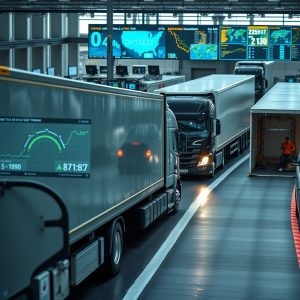
One of the most significant advancements in fleet management is the adoption of telematics systems. These technologies provide live data on vehicle location, speed, fuel consumption, and driver behavior, enabling companies to monitor their fleets with precision. For instance, GPS tracking not only ensures that shipments are on schedule but also helps in rerouting vehicles dynamically to avoid traffic, accidents, or adverse weather conditions. This level of control minimizes delays and enhances customer satisfaction, a critical factor in industries where time-sensitive deliveries are the norm.
Predictive Maintenance: Reducing Downtime and Costs
Unplanned vehicle breakdowns can disrupt supply chains, leading to costly delays and lost revenue. Advanced fleet management systems leverage predictive maintenance algorithms to monitor the health of vehicles continuously. By analyzing data from sensors and historical maintenance records, these systems can predict when a component is likely to fail and schedule repairs before a breakdown occurs. This proactive approach not only extends the lifespan of fleet assets but also reduces maintenance costs and improves overall operational efficiency.
The Role of Data Analytics in Fleet Optimization
Data is the new fuel powering modern fleet management. By collecting and analyzing vast amounts of operational data, companies can uncover insights that drive smarter decision-making. For example, route optimization algorithms can identify the most efficient paths for deliveries, reducing fuel consumption and emissions. Similarly, load optimization tools ensure that vehicles are utilized to their full capacity, minimizing the number of trips required and lowering transportation costs.
Fuel Efficiency and Sustainability
With rising fuel costs and growing environmental concerns, sustainability has become a key focus in fleet management. Advanced systems help companies monitor fuel consumption patterns and identify opportunities for improvement. For instance, idling reduction technologies can alert drivers when they are wasting fuel, while eco-driving training programs encourage fuel-efficient driving behaviors. Additionally, the adoption of alternative fuel vehicles, such as electric or hydrogen-powered trucks, is gaining traction as businesses seek to reduce their carbon footprint and comply with stringent environmental regulations.
Enhancing Driver Safety and Performance
Driver safety is a critical aspect of fleet management, as accidents can lead to significant financial and reputational damage. Modern fleet management systems include features such as driver scorecards, which evaluate performance based on metrics like speeding, harsh braking, and adherence to safety protocols. These tools not only promote safer driving habits but also help companies identify training needs and reward top-performing drivers. By fostering a culture of safety, businesses can reduce accident rates, lower insurance premiums, and improve overall fleet efficiency.
The Integration of Fleet Management with Broader Supply Chain Solutions
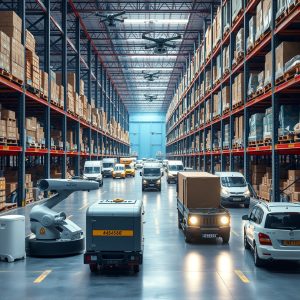
Fleet management does not operate in isolation; it is an integral part of the broader supply chain ecosystem. When seamlessly integrated with other logistics functions—such as warehouse management, freight forwarding, and last-mile delivery—it creates a synchronized network that enhances end-to-end visibility and efficiency. For example, real-time data from fleet management systems can be shared with warehouse teams to ensure that loading and unloading processes are aligned with vehicle arrival times, reducing wait times and improving throughput.
Collaboration with Third-Party Logistics (3PL) Providers
Many businesses are turning to third-party logistics (3PL) providers to manage their fleet operations, particularly in complex or global supply chains. 3PL providers bring specialized expertise, advanced technology, and scalable resources that can enhance fleet performance. By outsourcing fleet management, companies can focus on their core competencies while leveraging the 3PL’s infrastructure to optimize transportation services. This collaboration often results in cost savings, improved service levels, and greater flexibility to adapt to changing market demands.
The Impact on E-Commerce and Last-Mile Delivery
The rise of e-commerce has placed unprecedented demands on transportation services, particularly in the last-mile delivery segment. Consumers expect fast, reliable, and flexible delivery options, which has led to the adoption of innovative fleet management solutions. For instance, dynamic routing algorithms can adjust delivery schedules in real time based on traffic conditions, customer availability, and order priorities. Additionally, the use of electric delivery vans and cargo bikes in urban areas is helping companies meet sustainability goals while navigating the challenges of congested city streets.
As the logistics industry continues to evolve, the role of advanced fleet management will only become more critical. The ability to harness technology, data, and strategic planning to optimize transportation services is no longer a luxury but a necessity for businesses seeking to thrive in a competitive global market. Companies that embrace these innovations will not only enhance their operational efficiency but also contribute to a more sustainable and resilient supply chain. The future of logistics is here, and it is being driven by the wheels of progress—one smart, data-driven mile at a time.