The Architecture of Tomorrow: Orchestrating a Zero-Emission Global Supply Chain
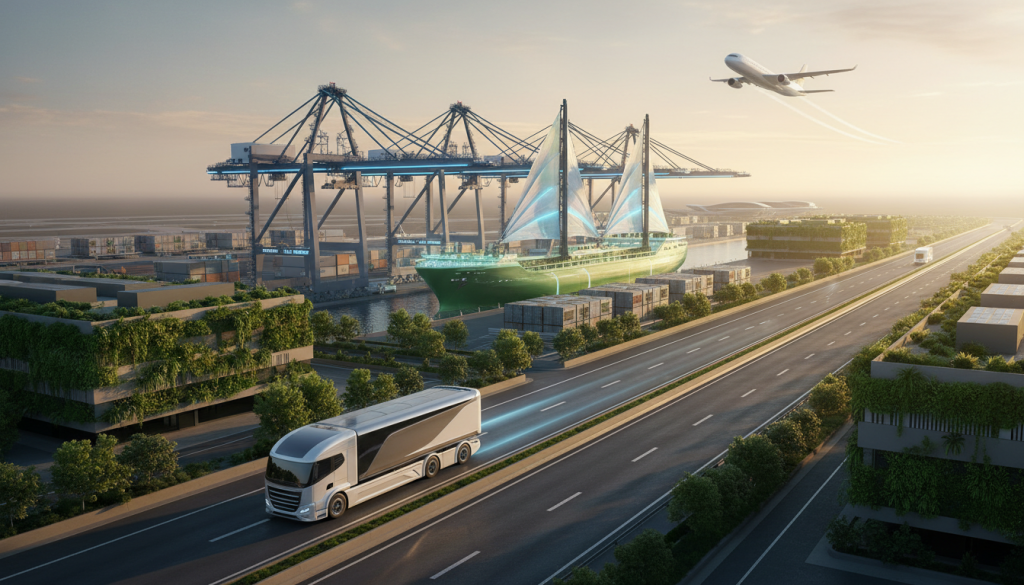
The global supply chain is undergoing a profound metamorphosis. For decades, the arteries of global commerce relied heavily on carbon-intensive modes of transport, prioritizing speed and cost above all else. Today, the narrative is shifting dramatically. The urgent mandate to mitigate climate change has catalyzed a technological and operational revolution across the logistics sector. From the vast expanses of the world’s oceans to the bustling tarmacs of international airports, a new era of eco-conscious efficiency is taking root. This transformation is not merely about adopting a single green technology; it requires a comprehensive overhaul of how goods move from origin to destination, integrating advanced engineering with unprecedented digital intelligence.
The Rise of Green Shipping Corridors
The maritime industry has historically been a significant contributor to global greenhouse gas emissions, carrying over eighty percent of the world’s traded goods. However, the tide is turning with the establishment of green shipping corridors. These are specific maritime routes decarbonized from end to end, supported by targeted regulatory frameworks and the deployment of advanced vessels. By focusing efforts on these dedicated lanes, stakeholders can concentrate infrastructure investments, such as alternative fueling stations, exactly where they are needed most.
The push for maritime decarbonization is driving unprecedented innovation in vessel design and propulsion. Traditional bunker fuel is slowly being phased out in favor of advanced alternatives. While liquid hydrogen propulsion remains a highly anticipated technology that promises zero-emission ocean crossings, the immediate focus within these green corridors is on scaling up commercially viable green methanol and ammonia. These fuels, when produced using renewable energy, offer a realistic pathway to drastically reduce the carbon footprint of ocean freight, setting the stage for a fully sustainable maritime network.
Upgrading the Nodes: Smart Port Infrastructure
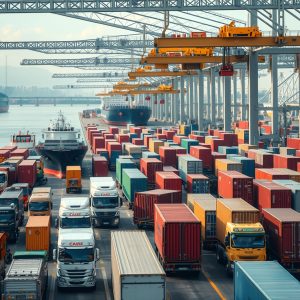
For green shipping corridors to function effectively, the nodes connecting these maritime routes to land-based logistics networks must evolve synchronously. Smart port infrastructure is the linchpin of this modern supply chain. Modern ports are transitioning into highly automated, data-driven ecosystems. Port automation, encompassing everything from automated guided vehicles (AGVs) handling shipping containers to AI-driven crane operations, significantly reduces turnaround times and minimizes energy consumption.
Enhancing Intermodal Connectivity
These smart logistics hubs are increasingly powered by renewable energy grids, ensuring that the zero-emission ethos extends from the vessel directly to the dock. Intermodal connectivity is also being revolutionized within these upgraded ports. The seamless transfer of cargo from ships to trains or trucks is critical for maintaining efficiency. Advanced digital twin technologies and predictive network simulation allow port authorities to anticipate bottlenecks and optimize the flow of goods. This ensures that cargo doesn’t languish in terminals, which traditionally leads to unnecessary emissions from idling transport vehicles. Furthermore, these modern hubs are fortifying cold chain resilience, utilizing IoT sensors to monitor temperature-sensitive cargo in real-time, preventing spoilage and reducing waste across the supply chain.
Transforming Air Freight with Sustainable Aviation Fuel
While maritime transport handles the bulk of global trade by volume, air freight remains indispensable for high-value, time-sensitive goods. Decarbonizing aviation is notoriously difficult due to the stringent energy density requirements of flight. Enter Sustainable Aviation Fuel (SAF). SAF represents a critical bridge to a zero-carbon future for the air cargo industry. Produced from renewable feedstocks such as waste oils, agricultural residues, and even captured carbon, SAF can be blended with conventional jet fuel without requiring modifications to existing aircraft engines or fueling infrastructure.
The adoption of SAF is accelerating, driven by both corporate sustainability mandates and government incentives. Airlines and logistics providers are increasingly entering into long-term offtake agreements to stimulate the production of SAF, aiming to drive down its currently premium price. In the long term, the industry is eyeing revolutionary concepts like liquid hydrogen propulsion and even hypersonic air freight, which could drastically reduce transit times while eliminating carbon emissions entirely. However, for the crucial decades ahead, maximizing the use of SAF is the primary strategy for mitigating the climate impact of airborne logistics.
The Final Mile: Zero Emission Fleets and Multi-Modal Optimization
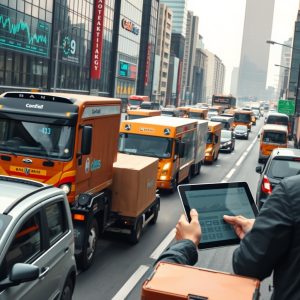
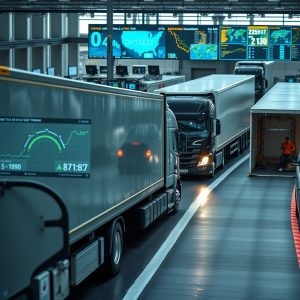
The journey of a product is not complete until it reaches its final destination. The transition from ports and airports to distribution centers and retail outlets is being transformed by the deployment of zero emission fleets. Electric and hydrogen fuel cell trucks are steadily replacing traditional diesel heavy-duty vehicles. The integration of autonomous trucking technologies further enhances this segment by optimizing driving patterns to maximize battery life, reduce energy consumption, and improve road safety.
Urban Micro Fulfillment and Last Mile Drones
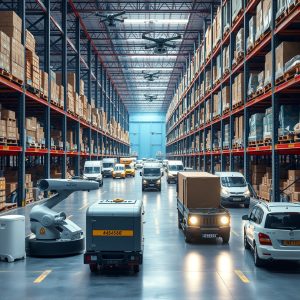
In dense cityscapes, urban micro fulfillment centers act as localized nodes, storing inventory closer to the end consumer. These facilities frequently dispatch last mile delivery drones and electric cargo bikes to bypass traffic entirely, slashing delivery times and emissions. To orchestrate this complex symphony of ships, planes, and automated vehicles, multi-modal optimization is essential. Advanced algorithms and real-time cargo tracking platforms are enabling logistics providers to dynamically route shipments based on the lowest carbon footprint rather than just the fastest transit time. By analyzing vast datasets, these systems seamlessly shift cargo between rail, sea, and road, ensuring the most sustainable mode is utilized at every leg.
The architecture of global commerce is being redrawn with sustainability as its foundational blueprint. The synergy between decarbonized oceans, optimized port facilities, and cleaner skies represents a monumental leap forward for international trade. As technologies mature and collaborative frameworks between nations and corporations strengthen, the vision of a truly frictionless, zero-impact supply chain comes closer to reality. Every drop of alternative fuel burned, every drone deployed, and every optimized route calculated weaves another thread into the fabric of a resilient, ecologically balanced global economy, ensuring that the movement of goods tomorrow does not compromise the world we inhabit today.