The Future of Motion: How Smart Transit and Clean Energy are Reshaping Our Cities
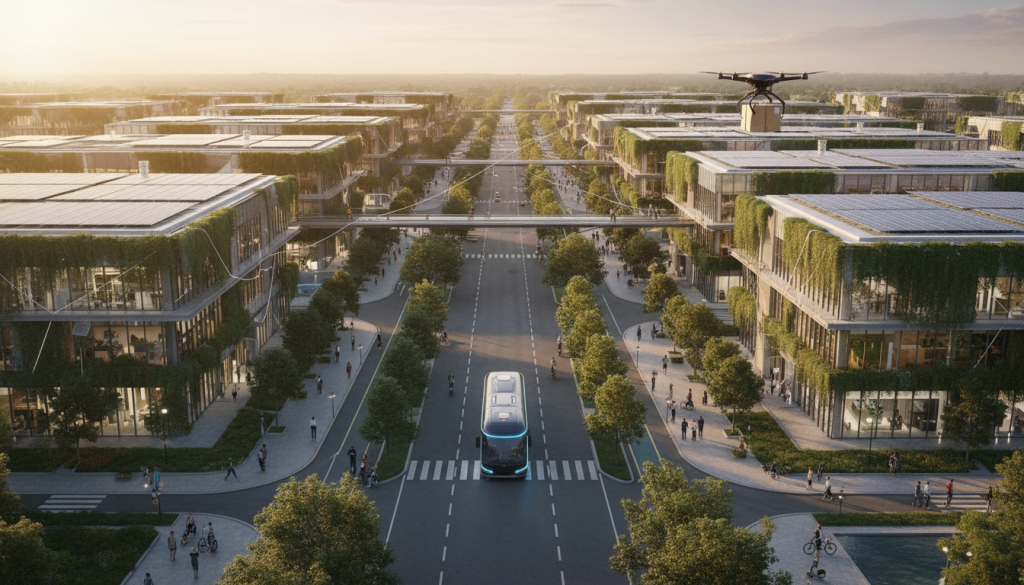
Urban landscapes are undergoing a profound metamorphosis. As metropolitan areas swell with new residents, the traditional models of moving people and goods are no longer viable. Traffic congestion, poor air quality, and noise pollution have forced urban planners to rethink the very arteries of our cities. This paradigm shift is rooted in the principles of sustainable urban transport, a holistic approach that prioritizes environmental health, economic vitality, and social equity. By moving away from car-centric designs, cities are beginning to embrace a multifaceted ecosystem of transit options that promise to redefine our daily commutes and the way we experience urban living.
Redefining the Heart of the City with Zero Emission Zones
One of the most aggressive and effective strategies being deployed across global metropolises is the implementation of zero emission zones. These designated urban areas restrict or financially penalize the entry of polluting vehicles, effectively forcing a transition toward cleaner alternatives. For logistics companies and public transit authorities alike, this policy shift has accelerated electric fleet integration. Delivery vans, municipal buses, and even utility vehicles are shedding their internal combustion engines in favor of battery-electric powertrains. The result is a dramatic reduction in localized greenhouse gas emissions and a noticeable improvement in urban air quality. As these zones expand, they create a sanctuary of clean air and quiet streets. Furthermore, hydrogen fuel cells are emerging as a complementary technology for heavier vehicles that require longer ranges and faster refueling times, ensuring that even the most demanding urban logistics can operate within strict environmental parameters.
Bridging the Gap with Micro Mobility Solutions
While electric buses and high speed rail form the heavy-lifting backbone of urban and intercity transit, they cannot always take passengers directly to their doorsteps. This is where micro mobility solutions step in to solve the perennial challenge of last mile connectivity. Electric scooters, pedal-assist bicycles, and compact shared EVs have flooded city streets, offering a nimble and eco-friendly alternative for short trips. By replacing car journeys that are under three miles, micro mobility significantly alleviates street-level congestion. Cities are responding by reallocating street space, transforming car lanes into protected mobility lanes. This not only keeps riders safe but also encourages the broader adoption of active transportation. When integrated seamlessly with major transit hubs, these small-scale vehicles ensure that the entire journey—from suburban home to downtown office—can be completed without a personal automobile.
Revolutionizing Urban Freight and On-Demand Delivery
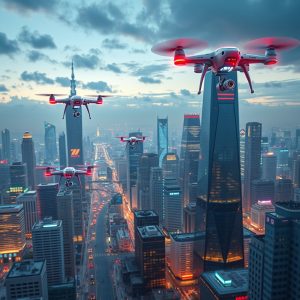
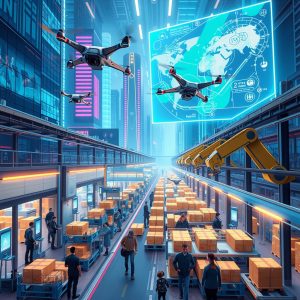
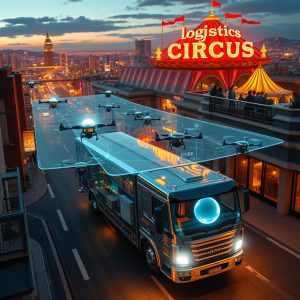
The movement of goods is just as critical to urban survival as the movement of people. The explosive growth of e-commerce has led to a surge in delivery vehicles, which historically exacerbated city congestion. To counter this, cities and corporations are turning to logistics automation and innovative on-demand delivery models. Automated micro-fulfillment centers located on the periphery of zero emission zones allow for rapid sorting and dispatching of goods. From there, electric cargo bikes and autonomous delivery droids take over, navigating narrow city streets to deliver packages directly to consumers. Furthermore, cold chain logistics—essential for the safe delivery of groceries and pharmaceuticals—are being upgraded with advanced telematics solutions to ensure temperature integrity without relying on diesel-powered refrigeration units. This seamless integration of automated, clean freight systems ensures that the insatiable demand for rapid delivery does not compromise the livability of the urban core.
The Digital Nervous System: Connected Infrastructure
The physical hardware of modern transportation is only as effective as the digital network that governs it. Connected infrastructure serves as the digital nervous system of tomorrow’s cities, enabling real-time communication between autonomous vehicles, traffic signals, and central control hubs. Through the deployment of intelligent traffic management systems, cities can dynamically adjust signal timings based on real-time traffic flow, prioritizing public transit and emergency vehicles while minimizing idling times for everyone else. Telematics solutions gather vast amounts of data from connected vehicles, allowing transit authorities to predict maintenance needs, optimize routes, and respond to disruptions before they cascade into major delays. This invisible web of data exchange is what elevates standard public transport into truly smart transit systems, capable of learning and adapting to the complex rhythms of urban life.
Unifying the Journey Through MaaS Platforms
Navigating a city with multiple transit options can be fragmented and frustrating if a commuter has to juggle half a dozen apps for trains, buses, ride-hailing, and scooter rentals. Mobility as a Service (MaaS) platforms are dismantling these barriers by aggregating all available transport modes into a single, intuitive digital interface. A robust MaaS platform allows a user to plan, book, and pay for a multi-modal journey with a single tap. If a train is delayed, the system can automatically suggest and book a shared ride or an e-bike to complete the route. This level of convenience is essential for driving behavioral change. By making shared mobility and public transit as convenient as owning a private car, MaaS platforms are central to reducing the number of vehicles on the road. The continued ride hailing growth, when properly integrated into these platforms and transitioned to electric fleets, further supplements the transit network, providing on-demand flexibility without the burden of personal vehicle ownership.
The transformation of our urban environments is not merely a technological upgrade; it is a fundamental reimagining of how we share space and connect with one another. When city streets are reclaimed from gridlock and pollution, they become vibrant corridors of human interaction and economic exchange. The synergy between electric transit, intelligent networks, and accessible mobility options paves the way for communities that are healthier, more inclusive, and remarkably resilient. Embracing this evolution ensures that the cities of tomorrow will not just be places where we live and work, but environments where both people and the planet can truly thrive.