The Digital Nervous System: How Real-Time Transit Visibility and Adaptive Last Mile Delivery Are Redefining Logistics
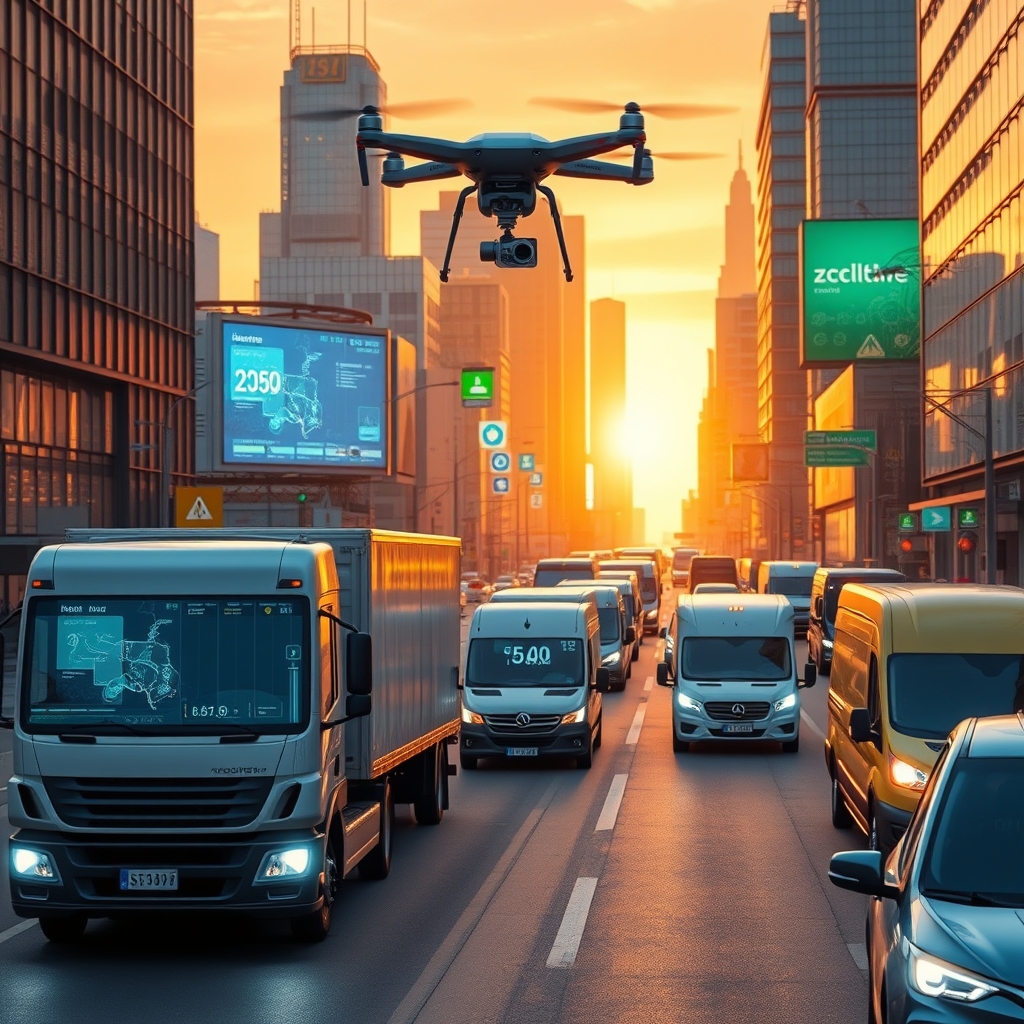
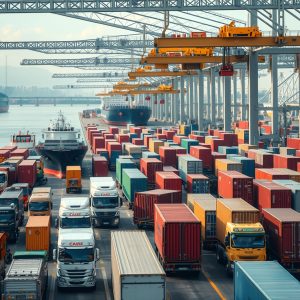
In an era where instant gratification is not just desired but expected, the logistics industry stands at the crossroads of transformation. The demand for faster, more reliable, and transparent delivery systems has never been higher, and businesses are scrambling to meet these expectations without compromising efficiency or sustainability. At the heart of this evolution lies a powerful combination of real-time transit visibility and adaptive last-mile delivery—two innovations that are not just reshaping logistics but redefining the very fabric of how goods move across the globe.
The Power of Seeing in Real Time
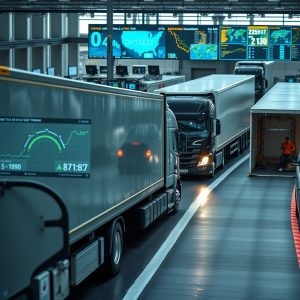
Imagine a world where every shipment, from the moment it leaves a warehouse to the second it arrives at a customer’s doorstep, is visible in real time. No more guesswork, no more anxious waiting, and no more frustrating delays without explanation. Real-time transit visibility is making this a reality by leveraging advanced technologies like IoT sensors, GPS tracking, and cloud-based analytics. These tools provide a live feed of a shipment’s journey, offering unprecedented transparency and control over the entire logistics process.
For businesses, this level of visibility is a game-changer. It allows for proactive problem-solving—whether it’s rerouting a truck to avoid traffic, addressing a delay before it impacts the customer, or simply keeping stakeholders informed with accurate, up-to-the-minute updates. For customers, it transforms the delivery experience from a black box of uncertainty into a seamless, predictable process. The result? Higher satisfaction, stronger trust, and a logistics ecosystem that operates with the precision of a well-oiled machine.
The Last Mile: Where Adaptability Meets Customer Expectations
If real-time visibility is the nervous system of modern logistics, then adaptive last-mile delivery is its beating heart. The last mile has long been the most complex and costly part of the delivery process, fraught with challenges like urban congestion, unpredictable weather, and ever-changing customer demands. Traditional delivery models, with their rigid routes and fixed schedules, simply can’t keep up. Enter adaptive last-mile delivery—a dynamic, data-driven approach that adjusts in real time to optimize efficiency and meet customer needs.
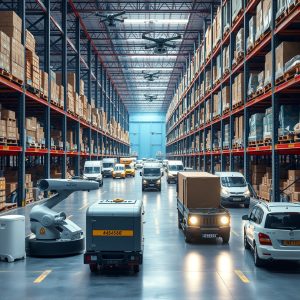
Adaptive last-mile delivery relies on a combination of artificial intelligence, machine learning, and predictive analytics to make split-second decisions. For example, if a customer requests a delivery window change, the system can instantly recalculate the most efficient route for the driver, ensuring minimal disruption to the overall schedule. Similarly, if a traffic jam or road closure is detected, the system can reroute the driver on the fly, reducing delays and improving on-time performance. This level of flexibility not only enhances operational efficiency but also creates a more personalized and responsive experience for the customer.
Sustainability as a Byproduct of Innovation
One of the most compelling aspects of real-time transit visibility and adaptive last-mile delivery is their potential to drive sustainability. By optimizing routes, reducing idle time, and minimizing unnecessary detours, these technologies help lower fuel consumption and carbon emissions. For instance, a delivery truck that avoids a traffic jam thanks to real-time rerouting not only saves time but also reduces its environmental footprint. Similarly, adaptive last-mile delivery can consolidate deliveries in a way that maximizes efficiency, further cutting down on emissions.
Businesses are increasingly recognizing that sustainability is no longer a nice-to-have but a must-have. Consumers are demanding eco-friendly practices, and regulators are imposing stricter environmental standards. By embracing these innovative logistics solutions, companies can meet these demands while also improving their bottom line—a win-win for both the planet and their business.
The Human Element in a Tech-Driven World
While technology is the driving force behind these advancements, it’s important to remember that logistics is ultimately about people. Whether it’s the warehouse worker packing a shipment, the driver navigating city streets, or the customer eagerly awaiting their delivery, human experiences lie at the core of every logistics operation. Real-time transit visibility and adaptive last-mile delivery don’t just streamline processes—they enhance human interactions by removing friction and uncertainty.
For drivers, real-time visibility means less stress and more control over their routes. For customer service teams, it means having the information they need to provide accurate, timely updates. And for customers, it means a delivery experience that feels tailored to their needs, rather than a one-size-fits-all solution. In this way, technology doesn’t replace the human element—it amplifies it, creating a logistics ecosystem that is both efficient and empathetic.
Scaling for the Future
The beauty of real-time transit visibility and adaptive last-mile delivery lies in their scalability. Whether a business is a small e-commerce startup or a global retail giant, these technologies can be tailored to fit its unique needs. For smaller companies, they offer a way to compete with larger players by providing a level of service that was once only possible with massive resources. For larger enterprises, they provide the tools to manage complex, multi-layered logistics networks with ease.
Moreover, these innovations are not static. As technology continues to evolve, so too will the capabilities of real-time visibility and adaptive delivery. We’re already seeing the integration of AI-driven predictive analytics, which can anticipate delays before they happen, and autonomous delivery vehicles, which promise to revolutionize the last mile even further. The future of logistics is not just about keeping up with change—it’s about staying ahead of it.
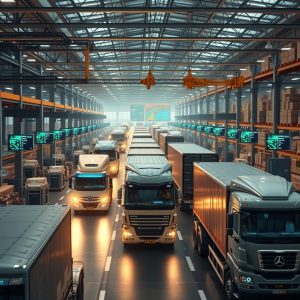
As we look to the horizon, it’s clear that the logistics industry is undergoing a profound transformation. Real-time transit visibility and adaptive last-mile delivery are not just tools—they are the building blocks of a smarter, more responsive, and more sustainable logistics ecosystem. By embracing these innovations, businesses can not only meet the demands of today’s customers but also future-proof their operations for the challenges and opportunities of tomorrow. The journey has only just begun, and the possibilities are as limitless as the roads ahead.