The Rise of Automated Shipment Fulfillment: How AI and Robotics Are Redefining Precision in Logistics

In an era where speed and accuracy define competitive advantage, logistics providers are turning to automation to transform shipment fulfillment from a manual, error-prone process into a seamless, high-precision operation. The shift toward automated shipment fulfillment is not just about replacing human labor—it’s about reimagining how goods move through supply chains with unprecedented efficiency and reliability. By integrating robotics, artificial intelligence, and machine learning, businesses are unlocking new levels of operational excellence, reducing lead times, and enhancing customer satisfaction in ways previously thought impossible.
The Mechanics of Automation in Shipment Fulfillment
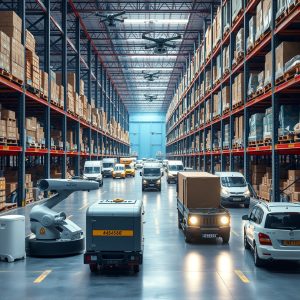
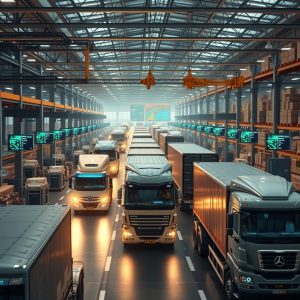
At the heart of automated shipment fulfillment lies a synergy of technologies working in harmony. Automated guided vehicles (AGVs) and robotic arms now handle tasks such as picking, packing, and sorting with a level of speed and precision that far surpasses human capabilities. These systems are often paired with AI-driven warehouse management software that optimizes inventory placement, predicts demand fluctuations, and dynamically adjusts workflows in real time. For example, a fulfillment center equipped with robotic pickers can process thousands of orders per hour, drastically reducing the time between order placement and dispatch.
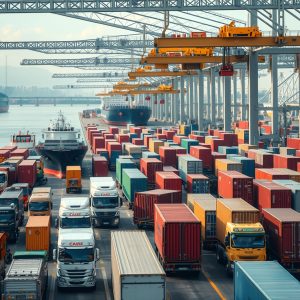
Beyond the warehouse, automation extends to loading docks and transportation hubs, where autonomous systems ensure that shipments are correctly labeled, weighed, and routed. Computer vision technology verifies package integrity, while AI algorithms cross-reference shipment details with carrier schedules to minimize delays. The result is a frictionless logistics interaction that eliminates bottlenecks and reduces the risk of human error, which has long been a persistent challenge in traditional fulfillment models.
Enhancing Transparency and Trust Through Technology
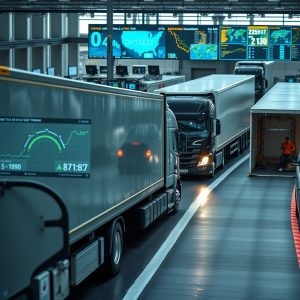
One of the most significant advantages of automated shipment fulfillment is the enhanced handling transparency it provides. Every step of the fulfillment process—from the moment an order is received to its final delivery—can be tracked and monitored in real time. IoT-enabled sensors embedded in packages and vehicles transmit data on location, temperature, humidity, and even shock levels, ensuring that sensitive or high-value goods are handled with care. This level of visibility is not just a tool for logistics providers; it’s a powerful asset for customers who demand real-time updates and accountability.
For businesses, this transparency translates into better decision-making. Predictive analytics can identify potential disruptions—such as traffic delays or weather-related issues—and proactively reroute shipments to avoid costly delays. Meanwhile, customers receive accurate, up-to-the-minute notifications about their orders, fostering trust and loyalty. In an industry where delays and miscommunications can erode confidence, automated systems provide a layer of reliability that was once unattainable.
The Role of AI in Predictive and Adaptive Fulfillment
Artificial intelligence is the backbone of modern automated fulfillment, enabling systems to learn, adapt, and improve over time. Machine learning models analyze historical data to predict demand patterns, allowing logistics providers to pre-position inventory in strategic locations. This predictive freight tracking ensures that goods are closer to their final destination before an order is even placed, reducing last-mile delivery times and lowering transportation costs.
AI also plays a crucial role in adaptive last-mile delivery, where algorithms dynamically adjust delivery routes based on real-time conditions. For instance, if a delivery truck encounters unexpected traffic, the system can instantly recalculate the optimal path, ensuring that time-sensitive shipments arrive on schedule. This adaptability is particularly valuable in urban environments, where congestion and unpredictable variables can derail even the most carefully planned routes.
Sustainability and Scalability: The Hidden Benefits of Automation
While efficiency and speed are the most obvious benefits of automated shipment fulfillment, the environmental and scalability advantages are equally compelling. Automated systems optimize resource usage, reducing energy consumption and minimizing waste. For example, AI-driven route planning ensures that vehicles take the most fuel-efficient paths, while robotic sorting systems reduce packaging material waste by precisely measuring and cutting materials to fit each shipment.
Scalability is another critical factor. Traditional fulfillment centers often struggle to handle sudden spikes in demand, leading to delays and increased operational costs. Automated systems, however, can scale effortlessly to accommodate fluctuations, whether it’s a seasonal surge in orders or an unexpected increase in e-commerce activity. This flexibility allows businesses to grow without the need for proportional increases in labor or infrastructure, making automation a cost-effective solution for long-term success.
The Human Element: Collaboration Between Man and Machine
Despite the advancements in automation, the human element remains indispensable. While robots handle repetitive and physically demanding tasks, human workers focus on oversight, problem-solving, and customer service. This collaboration creates a more dynamic and responsive logistics ecosystem, where technology augments human capabilities rather than replacing them entirely. For instance, warehouse staff can use augmented reality (AR) glasses to receive real-time instructions from AI systems, ensuring that complex or irregular shipments are handled with precision.
Moreover, automation frees up human workers to engage in higher-value activities, such as optimizing supply chain strategies or improving customer experiences. By reducing the burden of manual labor, logistics providers can invest more in training and development, fostering a workforce that is skilled in managing and leveraging advanced technologies.
The transformation brought about by automated shipment fulfillment is not just a technological upgrade—it’s a fundamental rethinking of how logistics operates. By embracing automation, businesses are not only streamlining their operations but also setting new standards for speed, accuracy, and customer satisfaction. As these systems continue to evolve, they will unlock even greater possibilities, from fully autonomous delivery networks to AI-driven supply chain orchestration. The future of logistics is here, and it’s being built on the foundation of precision, adaptability, and seamless integration between technology and human ingenuity.