The Strategic Art of Synchronizing Distribution Networks for Global Logistics Excellence
In the intricate web of global commerce, the efficiency of a distribution network can make or break the success of businesses operating across borders. As companies expand their reach, the demand for seamless, agile, and cost-effective logistics solutions has never been more critical. The modern distribution network is no longer just a series of warehouses and transportation routes; it is a dynamic ecosystem that requires strategic synchronization to meet the ever-evolving demands of international trade.
The Foundation of a Robust Distribution Network
A well-optimized distribution network is the backbone of any successful logistics operation. It encompasses the entire journey of goods—from the point of origin to the final destination—while ensuring that each step is executed with precision. This network includes warehouses, transportation hubs, last-mile delivery systems, and the technology that ties them all together. The goal is to minimize delays, reduce costs, and enhance the overall customer experience, whether the end consumer is a business or an individual.
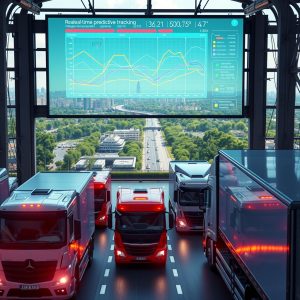
For businesses engaged in export-import operations, the stakes are even higher. A single inefficiency in the distribution network can lead to cascading delays, increased operational costs, and lost opportunities. This is where the strategic integration of logistics management comes into play. By leveraging advanced technologies such as AI-driven route optimization, real-time tracking, and predictive analytics, companies can transform their distribution networks into highly responsive and adaptive systems.
The Role of Technology in Distribution Network Optimization
Technology has revolutionized the way distribution networks operate. Gone are the days when logistics managers relied solely on manual processes and spreadsheets to track shipments. Today, cutting-edge software solutions provide end-to-end visibility, allowing businesses to monitor their supply chains in real time. This level of transparency is crucial for identifying bottlenecks, predicting disruptions, and making data-driven decisions that enhance efficiency.
One of the most significant advancements in this space is the use of artificial intelligence (AI) and machine learning (ML) to optimize routes. AI algorithms analyze vast amounts of data—including traffic patterns, weather conditions, and historical delivery times—to determine the most efficient paths for transportation. This not only reduces fuel consumption and carbon emissions but also ensures that goods reach their destinations faster and more reliably.
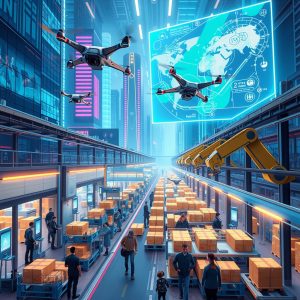
Additionally, the Internet of Things (IoT) has enabled the creation of smart warehouses and transportation systems. IoT devices, such as sensors and RFID tags, provide real-time updates on the location and condition of goods. This is particularly valuable for cold chain logistics, where maintaining the integrity of perishable items like food and pharmaceuticals is paramount. By integrating IoT with warehouse management systems, businesses can ensure that their distribution networks operate with the highest levels of accuracy and efficiency.
The Human Element: Expertise in Freight Forwarding and Customs Clearance
While technology plays a pivotal role in optimizing distribution networks, the human element remains indispensable. Freight forwarders and customs clearance experts are the unsung heroes of global logistics, ensuring that shipments move smoothly across borders. Their expertise in navigating the complexities of international trade regulations, tariffs, and compliance requirements is critical for avoiding delays and penalties.
Freight forwarders act as intermediaries between businesses and transportation services, coordinating the movement of goods via air, sea, or land. They leverage their extensive networks and industry knowledge to secure the best routes, negotiate competitive rates, and handle the documentation required for international shipments. In doing so, they help businesses streamline their supply chains and focus on their core operations.
Customs clearance, on the other hand, is a highly specialized field that requires a deep understanding of trade compliance. Delays at customs can result in significant financial losses, especially for time-sensitive shipments. Experienced customs brokers work closely with businesses to ensure that all necessary paperwork is in order, duties and taxes are calculated accurately, and shipments comply with the regulations of both the exporting and importing countries. Their role is particularly crucial in industries such as e-commerce, where the volume of cross-border shipments is high, and the margin for error is slim.
The Synergy of Multimodal Logistics
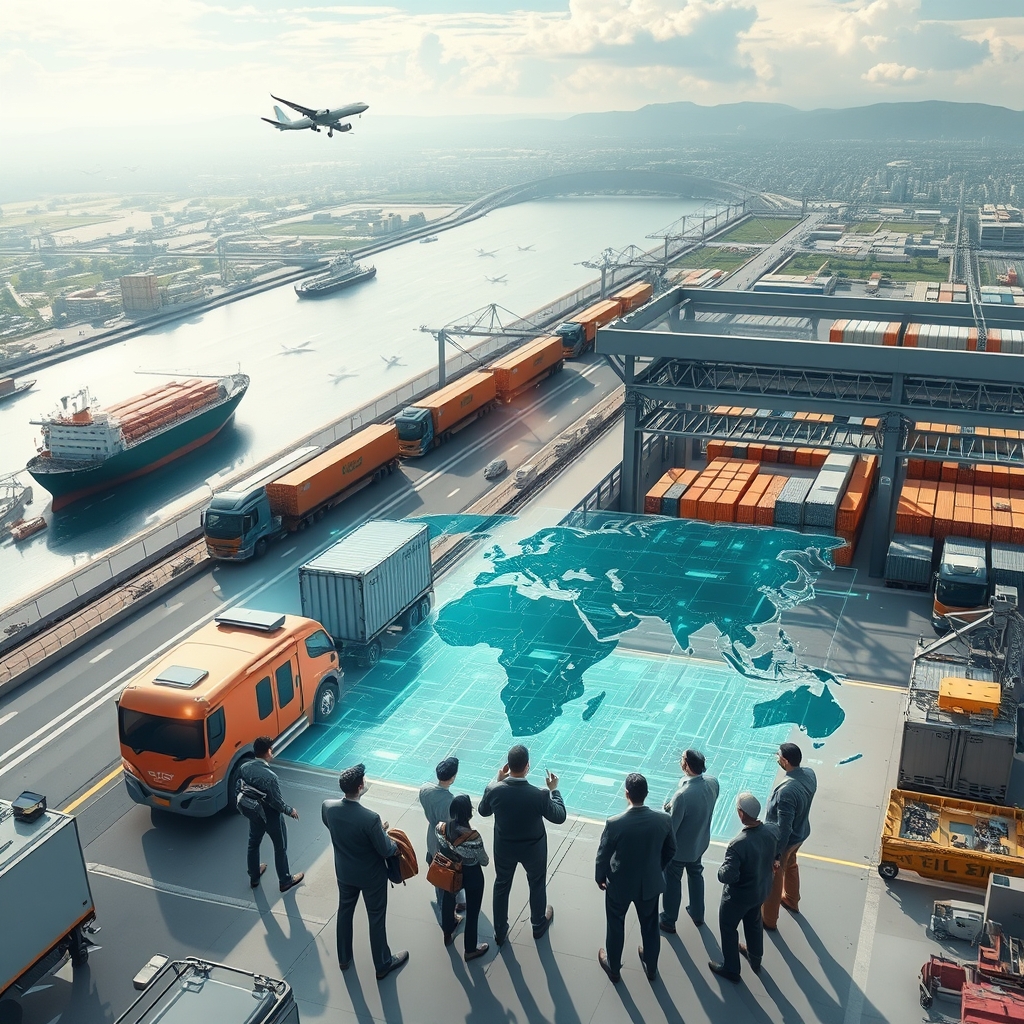
In today’s globalized economy, relying on a single mode of transportation is no longer sufficient. Multimodal logistics, which combines air, sea, and land transportation, offers a strategic advantage by providing flexibility and resilience. By diversifying transportation methods, businesses can mitigate risks associated with disruptions in any one mode—such as port congestion, flight delays, or road closures—and ensure that their goods reach their destinations on time.
For example, a shipment originating in Asia might travel by sea to a major port in Europe, then be transferred to a truck or train for land transportation to its final destination. Alternatively, high-value or time-sensitive goods might be transported by air to minimize transit time. The key to successful multimodal logistics lies in seamless coordination between different transportation providers and the use of technology to track shipments across all stages of the journey.
The Future of Distribution Networks: Sustainability and Innovation
As the world becomes increasingly conscious of environmental sustainability, the logistics industry is under pressure to reduce its carbon footprint. Distribution networks are evolving to incorporate eco-friendly practices, such as the use of electric vehicles for last-mile delivery, optimized routes to minimize fuel consumption, and the adoption of renewable energy sources in warehouses. These initiatives not only benefit the planet but also enhance the reputation of businesses as responsible corporate citizens.
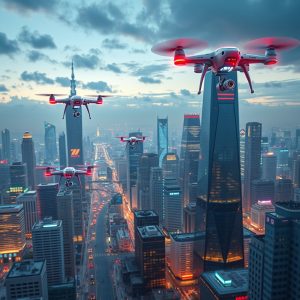
Innovation is also driving the future of distribution networks. The rise of autonomous vehicles, drones, and blockchain technology is set to revolutionize the way goods are transported and tracked. Autonomous trucks, for instance, have the potential to operate 24/7, reducing delivery times and labor costs. Drones, on the other hand, are being tested for last-mile delivery in urban areas, where traffic congestion can cause significant delays. Blockchain technology, with its ability to provide immutable and transparent records, is poised to enhance trust and security in global supply chains.
The strategic synchronization of distribution networks is not just about moving goods from point A to point B. It is about creating a seamless, efficient, and resilient ecosystem that adapts to the demands of a rapidly changing world. By embracing technology, leveraging the expertise of logistics professionals, and prioritizing sustainability, businesses can build distribution networks that not only meet the needs of today but also anticipate the challenges of tomorrow. In doing so, they position themselves at the forefront of global trade, ready to capitalize on new opportunities and drive long-term success.