The Invisible Thread: How Data-Driven Cargo Management and Adaptive Last Mile Delivery Are Redefining the Seamless Logistics Experience
In an era where immediacy is not just desired but expected, the logistics industry stands at the forefront of a quiet revolution. The seamless movement of goods from origin to destination no longer relies solely on brute force or human intuition—it is now orchestrated by a symphony of data, technology, and adaptive intelligence. At the heart of this transformation lies a powerful duo: data-driven cargo management and adaptive last mile delivery. Together, they are redefining what it means to create a truly frictionless logistics experience, one where transparency, efficiency, and customer satisfaction converge in ways previously unimaginable.
The Power of Data: Beyond Tracking to True Cargo Intelligence
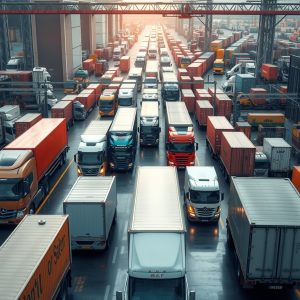
For decades, logistics operators have grappled with the challenge of visibility. Knowing where a shipment is at any given moment was once considered a competitive advantage—today, it’s table stakes. But modern data-driven cargo management goes far beyond simple location tracking. It transforms raw data into actionable intelligence, enabling logistics providers to anticipate disruptions, optimize loads, and ensure that every container, pallet, and parcel moves with purpose.
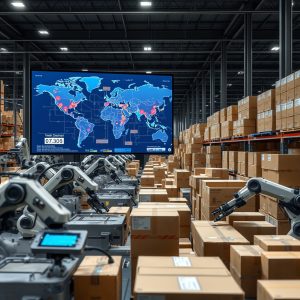
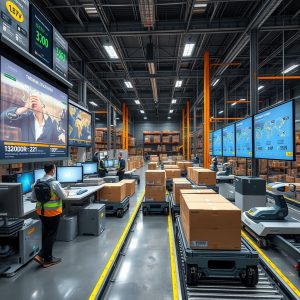
Advanced analytics platforms now ingest vast streams of real-time data—from traffic patterns and weather conditions to port congestion and fuel costs. Machine learning algorithms process this information to predict delays before they occur, reroute shipments dynamically, and even adjust inventory levels in transit. The result? A logistics network that doesn’t just react to change but anticipates it, reducing waste, lowering costs, and delivering a level of reliability that was once the stuff of science fiction.
From Reactive to Proactive: The Predictive Edge
The shift from reactive to predictive logistics is perhaps the most profound change in modern supply chains. Traditional systems operated on a “wait and see” basis—shipments were tracked, but corrective action was only taken after a problem arose. Today, predictive freight tracking enables logistics providers to identify potential bottlenecks days or even weeks in advance. For example, if a storm is forecasted to disrupt a key shipping lane, the system can automatically reroute cargo through alternative ports or modes of transport, ensuring minimal disruption to delivery timelines.
This level of foresight doesn’t just benefit logistics companies—it empowers their customers. Businesses relying on just-in-time inventory can now receive alerts about potential delays before they impact production schedules. Retailers can adjust their stock levels proactively, avoiding overstocking or stockouts. In essence, predictive freight tracking transforms logistics from a behind-the-scenes operation into a strategic partner in business success.
The Last Mile: Where Adaptive Intelligence Meets Customer Expectations
If data-driven cargo management is the brain of modern logistics, then adaptive last mile delivery is its heartbeat. The final leg of the journey—from distribution center to doorstep—has long been the most complex and costly part of the supply chain. Urban congestion, unpredictable traffic, and ever-changing customer preferences make the last mile a moving target. Yet, it is also the most critical touchpoint in the customer experience. A seamless last mile doesn’t just deliver a package; it delivers trust, convenience, and satisfaction.
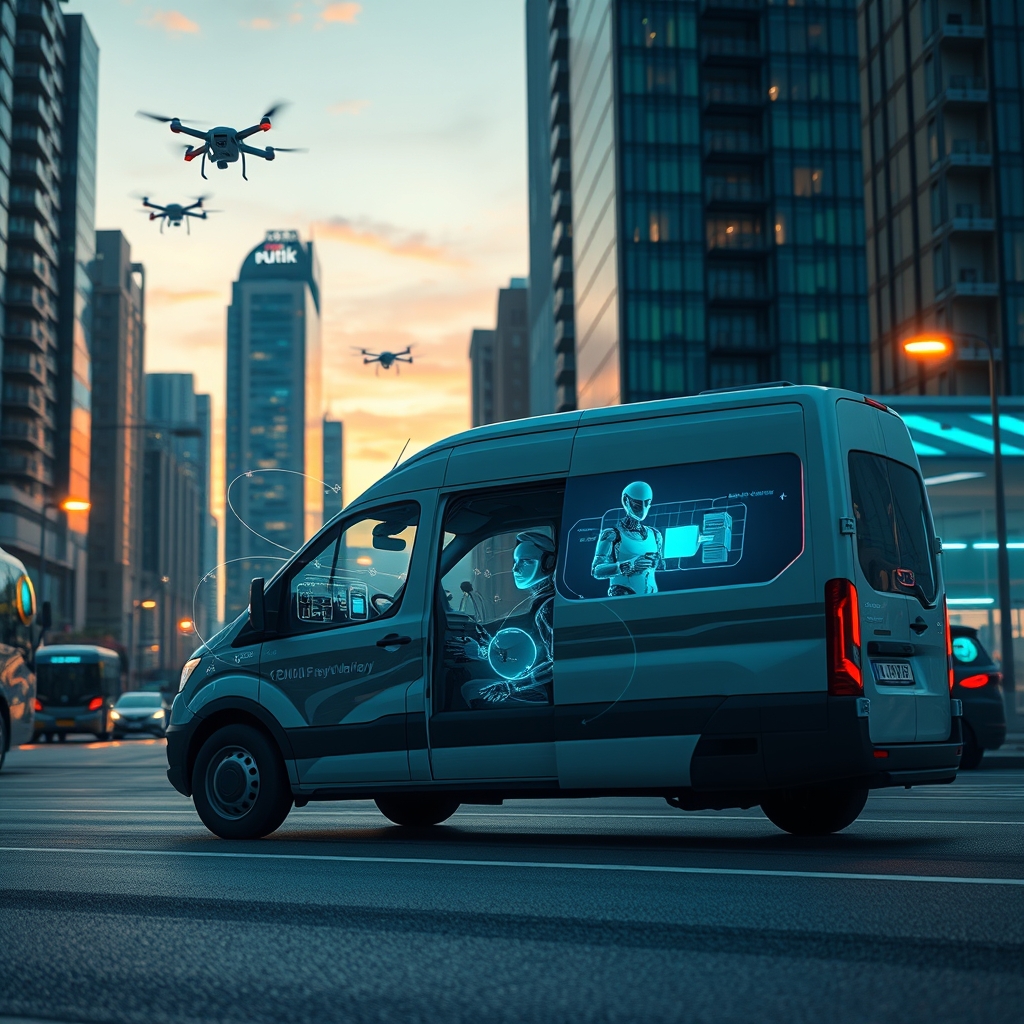
Adaptive last mile delivery leverages real-time data and AI to dynamically adjust delivery routes, schedules, and methods based on a multitude of factors. For instance, if a customer requests a delivery window change at the last minute, the system can instantly recalculate the optimal route for the driver, ensuring the adjustment doesn’t disrupt other deliveries. Similarly, if a driver encounters unexpected traffic, the system can reroute them in real time, providing turn-by-turn navigation that accounts for current road conditions.
Personalization at Scale: The Human Element in a Digital World
One of the most exciting developments in adaptive last mile delivery is the ability to offer personalized experiences at scale. Customers no longer want to fit into the rigid schedules of logistics providers—they expect logistics to fit into their lives. Whether it’s choosing a specific delivery window, opting for contactless delivery, or receiving real-time updates via their preferred communication channel, personalization is no longer a luxury; it’s an expectation.
Tech-enabled solutions make this possible by integrating customer preferences into the delivery workflow. For example, a customer who frequently orders groceries might receive a notification suggesting a recurring delivery slot that aligns with their shopping habits. Another customer who prefers weekend deliveries can have their preferences stored and automatically applied to future orders. This level of personalization doesn’t just enhance convenience—it builds loyalty and trust, turning one-time buyers into lifelong customers.
The Ripple Effect: How Seamless Logistics Transforms Industries
The impact of data-driven cargo management and adaptive last mile delivery extends far beyond the logistics industry itself. In retail, it enables faster order fulfillment and reduces the need for excessive inventory, lowering costs and improving cash flow. In healthcare, it ensures the timely delivery of critical supplies, from medications to medical equipment, saving lives in the process. Even in manufacturing, seamless logistics streamlines the movement of raw materials and finished goods, reducing downtime and increasing productivity.
Moreover, these advancements are paving the way for more sustainable delivery networks. By optimizing routes and reducing idle time, logistics providers can lower their carbon footprint without sacrificing efficiency. Electric and autonomous delivery vehicles, powered by real-time data, are becoming increasingly viable, further reducing the environmental impact of logistics operations. In this way, the pursuit of a seamless logistics experience is not just about speed and convenience—it’s about building a more sustainable future for all.
The Role of Collaboration in Scalable Transport Services
No logistics provider operates in isolation. The most successful companies recognize that collaboration is key to scalability. Collaborative freight networks, where multiple logistics providers share data and resources, are emerging as a powerful solution to the challenges of modern supply chains. By pooling their assets—whether it’s warehouse space, transportation capacity, or technological infrastructure—these networks can offer more flexible, responsive, and cost-effective services.
For example, during peak seasons like the holidays, a collaborative network can dynamically allocate resources to meet surging demand. A retailer experiencing a sudden spike in orders can tap into the network’s shared fleet of vehicles, ensuring that deliveries are made on time without the need for costly, last-minute investments in additional capacity. This level of agility is only possible through the seamless integration of data and technology, enabling logistics providers to act as a unified, adaptive system.
The logistics industry is no longer just about moving goods from point A to point B. It’s about creating an ecosystem where data, technology, and human ingenuity converge to deliver experiences that are faster, smarter, and more responsive than ever before. As data-driven cargo management and adaptive last mile delivery continue to evolve, they are not just redefining the logistics experience—they are reshaping the very fabric of global commerce. In this new era, the invisible threads of technology and innovation are weaving a future where the movement of goods is as seamless as the click of a button, and where every delivery is an opportunity to exceed expectations.