The Strategic Nexus of Digital Transformation and Logistics: How AI and IoT Are Redefining Supply Chain Resilience
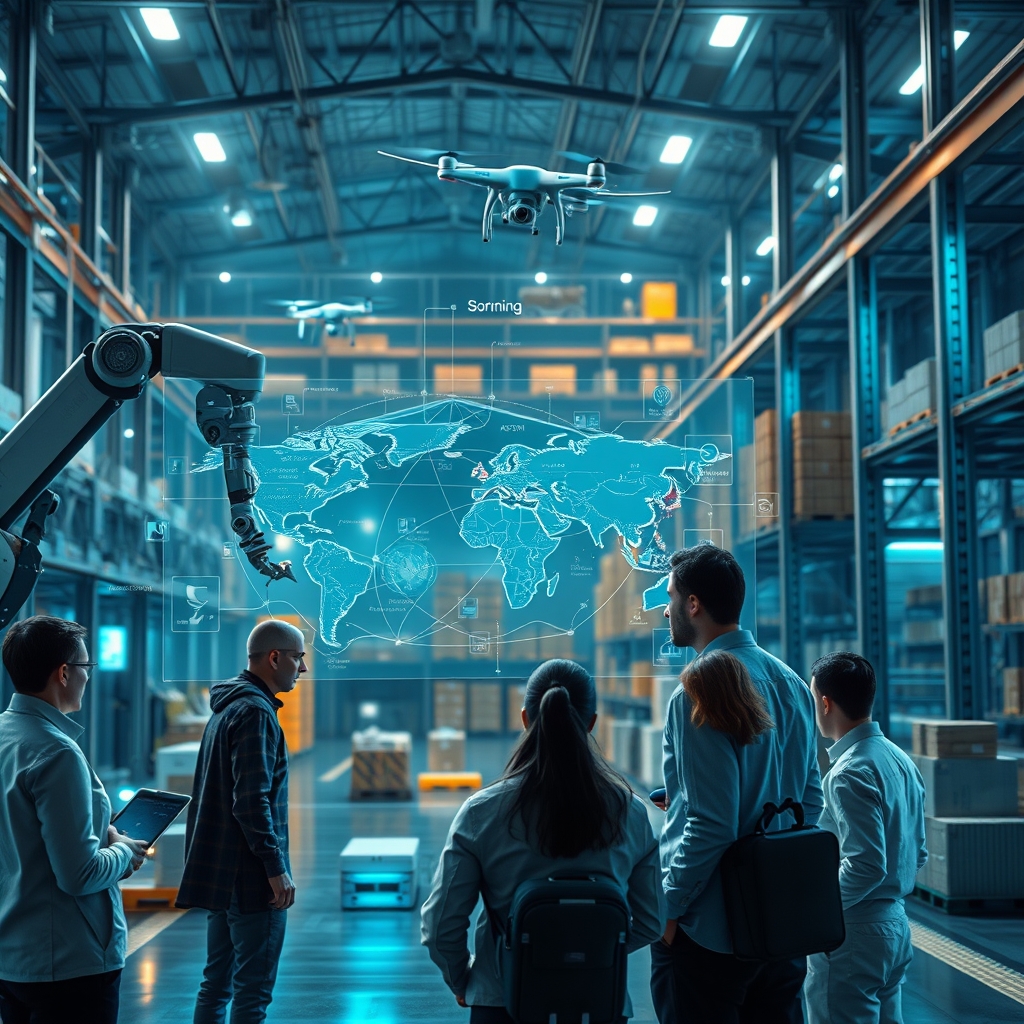
The logistics and supply chain industry stands at the precipice of a digital revolution, where artificial intelligence (AI) and the Internet of Things (IoT) are no longer futuristic concepts but essential tools driving operational excellence. As global trade grows increasingly complex, businesses are turning to these technologies to enhance visibility, optimize processes, and build resilience against disruptions. The integration of AI and IoT is not just an upgrade—it’s a fundamental shift in how logistics networks operate, ensuring agility in an unpredictable world.
The Rise of AI in Logistics Management
Artificial intelligence is transforming logistics management by enabling predictive analytics, autonomous decision-making, and real-time optimization. Machine learning algorithms analyze vast datasets to forecast demand, identify potential bottlenecks, and recommend the most efficient routes for transportation. For instance, AI-powered demand forecasting helps businesses align inventory levels with market needs, reducing overstocking or stockouts. Similarly, dynamic routing algorithms adjust delivery paths in real-time based on traffic, weather, or other disruptions, ensuring timely deliveries while minimizing fuel consumption and costs.
Beyond operational efficiency, AI enhances customer experience by providing accurate delivery estimates and proactive updates. Chatbots and virtual assistants powered by natural language processing (NLP) handle customer inquiries, track shipments, and resolve issues without human intervention. This level of automation not only improves response times but also frees up human resources to focus on strategic tasks, such as supplier negotiations or risk management.
The Role of IoT in Real-Time Visibility and Control
The Internet of Things is the backbone of real-time visibility in modern logistics. IoT devices, such as GPS trackers, RFID tags, and smart sensors, provide granular data on the location, condition, and status of goods throughout the supply chain. For example, temperature-sensitive shipments, like pharmaceuticals or perishable foods, rely on IoT-enabled cold chain logistics to monitor and maintain optimal conditions. Any deviation triggers immediate alerts, allowing corrective actions to prevent spoilage or compliance violations.
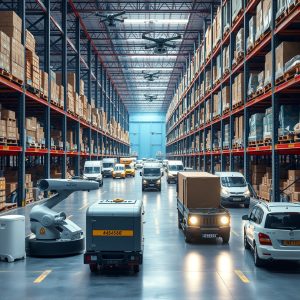
In warehouse management, IoT devices streamline inventory tracking, reducing manual errors and improving accuracy. Smart shelves equipped with weight sensors automatically update inventory levels, while drones and autonomous robots handle picking and packing tasks with precision. This level of automation accelerates order fulfillment, reduces labor costs, and minimizes human error, making warehouses more efficient and responsive to demand fluctuations.
Enhancing Fleet Management with IoT and AI
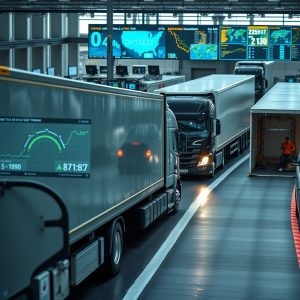
Fleet management has evolved from a reactive to a proactive discipline, thanks to the synergy of AI and IoT. Telematics devices installed in vehicles collect data on fuel consumption, driver behavior, engine health, and route efficiency. AI algorithms analyze this data to optimize fuel usage, predict maintenance needs, and improve driver safety. For instance, predictive maintenance alerts fleet managers to potential mechanical issues before they escalate, reducing downtime and repair costs.
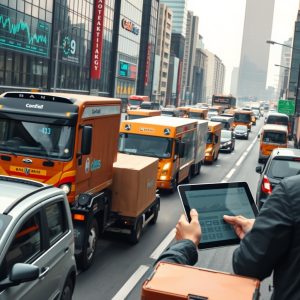
Moreover, AI-driven route optimization considers multiple variables, such as traffic patterns, road conditions, and delivery windows, to create the most efficient paths. This not only reduces transit times but also lowers carbon emissions, aligning with the growing emphasis on sustainable logistics. Companies that leverage these technologies gain a competitive edge by balancing cost efficiency with environmental responsibility.
Overcoming Challenges in Digital Transformation
While the benefits of AI and IoT in logistics are undeniable, their implementation is not without challenges. Data security and privacy concerns top the list, as the proliferation of connected devices increases the risk of cyber threats. Businesses must invest in robust cybersecurity measures, such as encryption, multi-factor authentication, and regular audits, to protect sensitive information. Additionally, integrating these technologies requires significant upfront investment in infrastructure, training, and change management. Small and medium-sized enterprises (SMEs) may struggle with the financial and technical barriers, necessitating scalable solutions and partnerships with technology providers.
Another challenge is the siloed nature of legacy systems. Many logistics companies operate with disjointed software and hardware, making it difficult to achieve seamless data flow. The solution lies in adopting integrated platforms that unify disparate systems, enabling end-to-end visibility and collaboration across the supply chain. Cloud-based solutions, for example, allow stakeholders to access real-time data from anywhere, fostering transparency and coordination.
The Future of Global Trade: A Connected Ecosystem
The convergence of AI and IoT is paving the way for a fully connected logistics ecosystem, where every node—from suppliers to end consumers—operates in harmony. Smart contracts powered by blockchain technology automate transactions and enforce compliance, reducing paperwork and disputes. Autonomous vehicles and drones are poised to revolutionize last-mile delivery, especially in urban areas where congestion and labor shortages pose challenges. Meanwhile, digital twins—virtual replicas of physical supply chains—enable businesses to simulate scenarios and test strategies before implementation, mitigating risks and optimizing performance.
As the logistics industry embraces digital transformation, the focus shifts from mere efficiency to resilience and adaptability. Companies that harness the power of AI and IoT will not only navigate disruptions with ease but also unlock new opportunities for growth. The future of global trade lies in intelligent, agile, and sustainable supply chains, where technology and human ingenuity converge to create a seamless flow of goods across borders. In this dynamic landscape, those who innovate today will lead the logistics revolution of tomorrow, shaping a world where connectivity and efficiency redefine the boundaries of possibility.