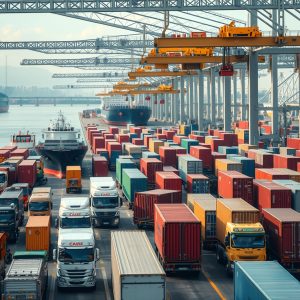
The Unseen Symphony: How Synchronized Logistics Management Orchestrates Global Supply Chains
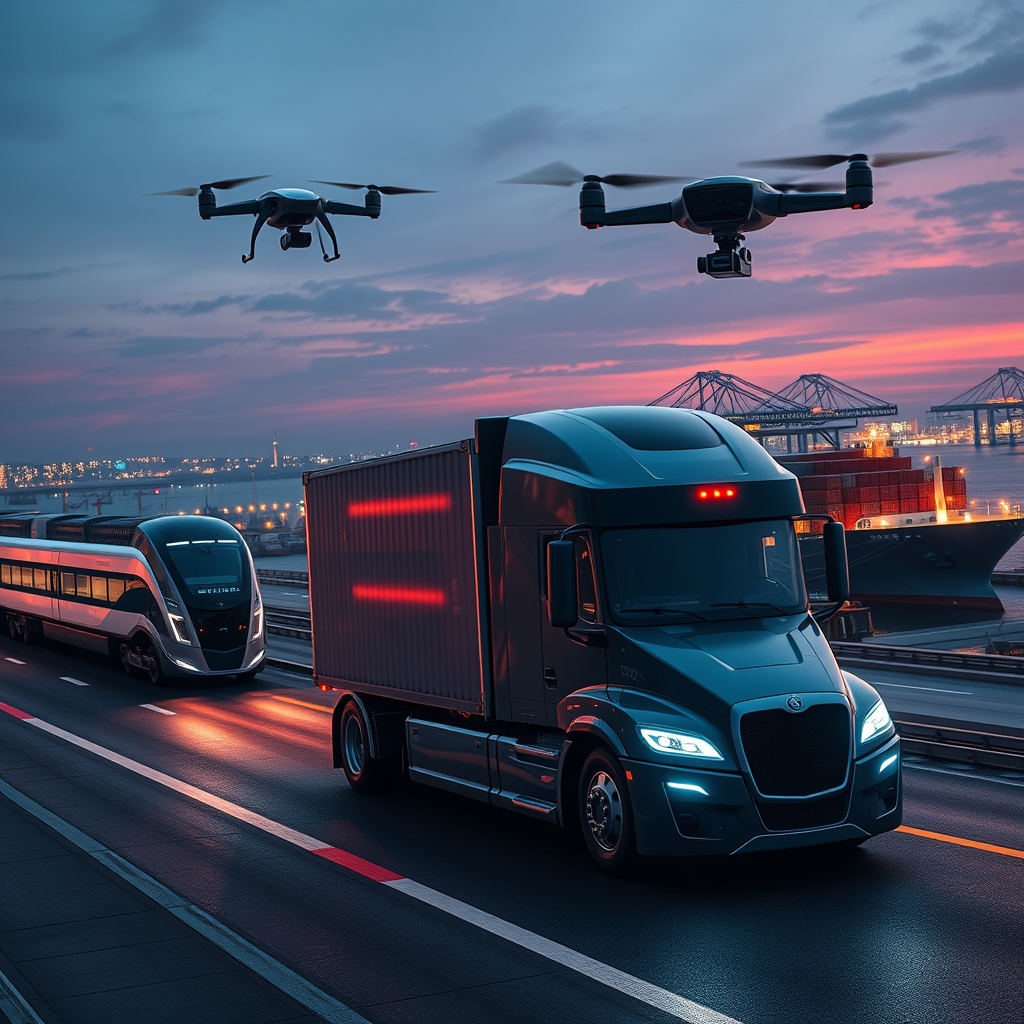
In the vast and intricate world of global commerce, logistics management operates much like a symphony conductor—silent yet indispensable, ensuring every section of the orchestra plays in perfect harmony. From the moment raw materials leave a supplier to the instant a finished product reaches a consumer’s hands, a complex network of transportation, warehousing, and distribution must align seamlessly. The stakes are high: delays, inefficiencies, or missteps can disrupt entire supply chains, leading to lost revenue, damaged reputations, and frustrated customers. Yet, when executed with precision, logistics management transforms from a behind-the-scenes function into a strategic powerhouse that drives competitive advantage.
The Foundation: Understanding the Core Pillars of Logistics
At its core, logistics management is the art and science of planning, implementing, and controlling the efficient flow of goods, services, and information from point of origin to point of consumption. It encompasses a broad spectrum of activities, each critical to the smooth operation of global trade. Transportation services form the backbone, whether through maritime transport for bulk cargo, air cargo services for time-sensitive shipments, or land transportation for regional distribution. Meanwhile, warehouse management ensures that inventory is stored, tracked, and dispatched with accuracy, while last mile delivery bridges the final gap to the customer, often determining the success of an e-commerce transaction.
Beyond these operational elements, logistics management also involves strategic decision-making. Companies must optimize their distribution networks to balance cost, speed, and reliability, often leveraging third-party logistics (3PL) providers to scale operations without heavy capital investment. Trade compliance and customs clearance add another layer of complexity, requiring meticulous attention to regulations, tariffs, and documentation to avoid costly penalties or shipment delays. In this interconnected ecosystem, even a minor disruption in one area can cascade into significant challenges downstream.
The Role of Technology: From Data to Decisions
The digital revolution has reshaped logistics management, turning what was once a labor-intensive, paper-driven industry into a data-driven powerhouse. Advanced software solutions now enable real-time tracking of shipments, predictive analytics for demand forecasting, and automated warehouse systems that minimize human error. Artificial intelligence (AI) and machine learning (ML) are increasingly used to optimize routes, reduce fuel consumption, and even predict potential disruptions before they occur. For example, AI-powered platforms can analyze historical shipping data to identify patterns in delays, allowing companies to proactively reroute cargo or adjust inventory levels.
Blockchain technology is another game-changer, particularly in trade compliance and customs clearance. By creating an immutable ledger of transactions, blockchain enhances transparency and trust among supply chain partners, reducing the risk of fraud and streamlining cross-border documentation. Meanwhile, Internet of Things (IoT) devices—such as GPS trackers and temperature sensors—provide real-time visibility into cargo conditions, ensuring the integrity of perishable goods in cold chain logistics or high-value shipments in transit.
E-Commerce and the Last Mile Challenge
The explosive growth of e-commerce has placed unprecedented pressure on logistics networks, particularly in the realm of last mile delivery. Consumers now expect faster, cheaper, and more flexible delivery options, forcing companies to innovate or risk losing market share. Solutions like crowd-sourced delivery, autonomous vehicles, and micro-fulfillment centers are emerging to address these demands, but they also introduce new complexities. For instance, urban congestion and regulatory hurdles can complicate the deployment of drones or self-driving delivery vans, while the environmental impact of increased delivery traffic has sparked calls for sustainable logistics practices.
To meet these challenges, companies are rethinking their distribution strategies. Some are investing in urban warehouses to position inventory closer to customers, reducing delivery times and costs. Others are partnering with local retailers to create hybrid fulfillment models, where online orders are picked up in-store or delivered from nearby locations. These innovations are not just about speed—they’re about creating a seamless, omnichannel experience that blends the convenience of e-commerce with the reliability of traditional logistics.
The Human Element: Why Expertise Still Matters
Despite the rise of automation and AI, the human element remains irreplaceable in logistics management. Skilled professionals—from freight forwarders to customs brokers—bring expertise that technology alone cannot replicate. They navigate the nuances of international trade, from interpreting complex regulations to negotiating with carriers and resolving unexpected issues. For example, a seasoned freight forwarder can anticipate potential bottlenecks at a port and arrange alternative routes, while a customs broker can expedite clearance by ensuring all documentation is accurate and compliant.
Moreover, logistics is inherently collaborative. Building strong relationships with suppliers, carriers, and 3PL providers fosters trust and flexibility, enabling companies to adapt quickly to disruptions. In a world where supply chains are increasingly global and interconnected, these relationships can mean the difference between a minor hiccup and a full-blown crisis. Training and upskilling the workforce are also critical, as the industry evolves to incorporate new technologies and methodologies. Companies that invest in their people—equipping them with the tools and knowledge to thrive in a digital-first environment—will be best positioned to lead the next wave of logistics innovation.
Sustainability: The Next Frontier in Logistics
As environmental concerns take center stage, sustainability has become a key consideration in logistics management. The transportation sector is a significant contributor to global carbon emissions, prompting companies to explore greener alternatives. Electric and hydrogen-powered vehicles are gaining traction in land transportation, while maritime transport is experimenting with biofuels and wind-assisted propulsion to reduce its environmental footprint. Even air cargo services are exploring sustainable aviation fuels (SAF) to mitigate their impact.
Beyond fuel efficiency, companies are rethinking their entire supply chain strategies to minimize waste and emissions. This includes optimizing routes to reduce empty miles, consolidating shipments to lower fuel consumption, and adopting circular economy principles to extend the lifecycle of products. Warehouse management is also evolving, with energy-efficient facilities, solar power, and automated systems that reduce energy consumption. For businesses, sustainability is no longer just a moral imperative—it’s a competitive advantage, as consumers and regulators alike demand greater accountability and transparency.
The future of logistics management lies in its ability to adapt, innovate, and synchronize every element of the supply chain. Whether through cutting-edge technology, strategic partnerships, or sustainable practices, the goal remains the same: to deliver goods and services efficiently, reliably, and responsibly. In a world where commerce never sleeps, logistics is the invisible thread that binds it all together, ensuring that the global economy continues to hum along, one shipment at a time. The symphony of logistics may be unseen, but its impact resonates in every product we use, every store we visit, and every transaction we make—proving that the most powerful forces are often the ones we take for granted.