
The Strategic Imperative of E-Commerce Logistics: How Innovations in Last Mile Delivery and Warehouse Management Are Redefining Global Trade
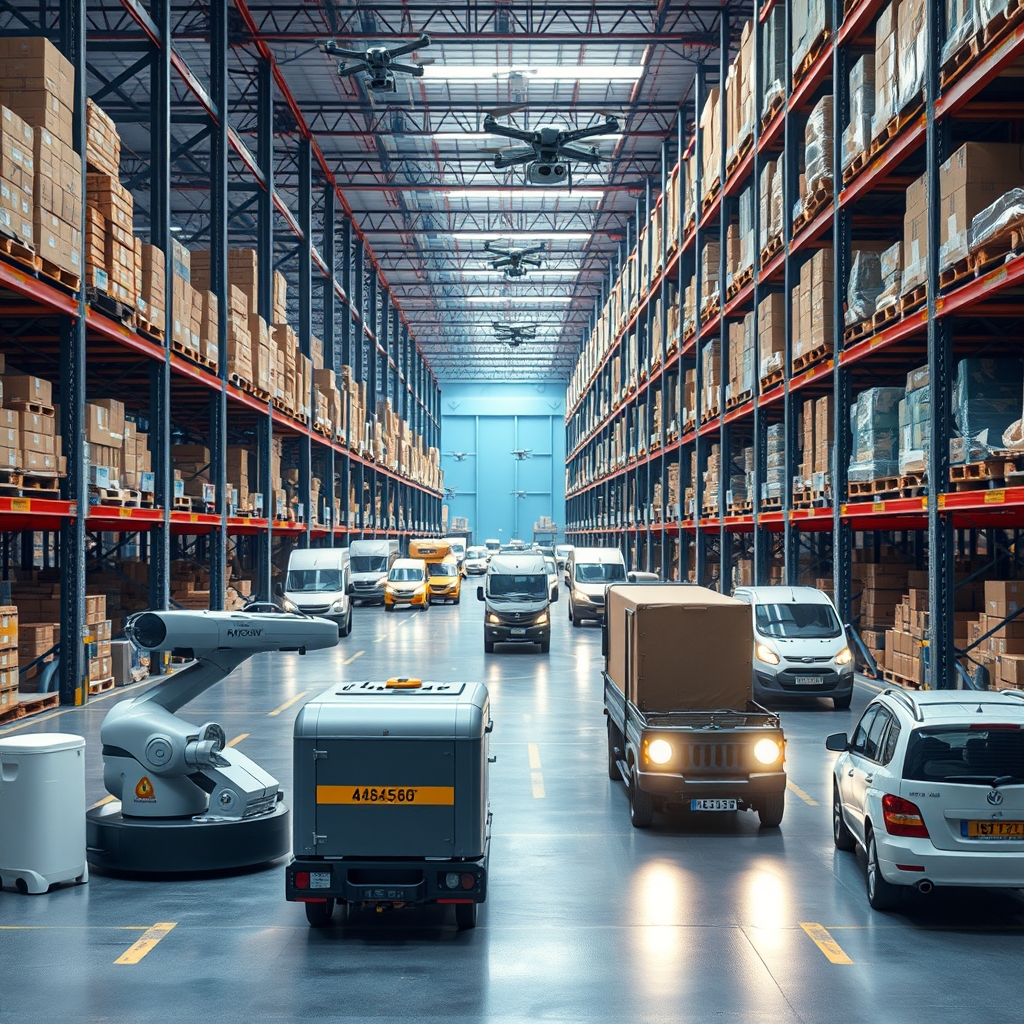
The rapid growth of e-commerce has revolutionized the way we shop, but it has also placed unprecedented demands on the logistics and supply chain industry. The final leg of the journey, known as last mile delivery, and the management of warehouses have become critical components in ensuring customer satisfaction and operational efficiency. In this article, we will explore the strategic imperative of e-commerce logistics, focusing on innovations in last mile delivery and warehouse management.
The Evolution of E-Commerce Logistics
E-commerce logistics has come a long way since the early days of online shopping. The traditional model of shipping products from a central warehouse to a customer’s doorstep has been replaced by a more complex and dynamic network. This network includes multiple distribution centers, micro-fulfillment centers, and a variety of delivery options.
The rise of e-commerce giants like Amazon, Alibaba, and eBay has further accelerated the need for efficient logistics. These companies have set high standards for delivery speed, reliability, and customer service. To meet these standards, they have invested heavily in technology, automation, and data analytics.
The Role of Last Mile Delivery
Last mile delivery is the final and often the most challenging part of the supply chain. It involves delivering products from a distribution center or a hub to the end customer. This stage is critical because it directly impacts customer satisfaction and loyalty.
Innovations in last mile delivery have been driven by the need to reduce costs, improve speed, and enhance customer experience. Some of the key innovations include:
- Same-day and next-day delivery: E-commerce companies are increasingly offering same-day and next-day delivery options to meet customer expectations.
- Micro-fulfillment centers: These are small warehouses located closer to urban areas, which help reduce delivery times and costs.
- Autonomous vehicles: Companies like Amazon are testing autonomous delivery vehicles to improve efficiency and reduce costs.
- Dynamic routing and scheduling: Advanced algorithms and real-time data analytics are used to optimize delivery routes and schedules.
The Role of Warehouse Management
Warehouse management is another critical aspect of e-commerce logistics. It involves the efficient storage, retrieval, and distribution of goods. The goal is to minimize costs, maximize space utilization, and ensure accurate inventory management.
Innovations in warehouse management have been driven by the need to handle the increasing volume of e-commerce orders. Some of the key innovations include:
- Automation: Robots and automated guided vehicles (AGVs) are used to handle repetitive tasks, freeing up human workers for more complex and strategic roles.
- Warehouse management systems (WMS): These software solutions help manage inventory, orders, and warehouse operations in real-time.
- Cross-docking: This strategy involves receiving and shipping goods in the same day, without storing them. It helps reduce storage costs and improve efficiency.
- Vertical and space-saving storage solutions: These solutions help maximize the use of warehouse space, especially in urban areas where space is limited.
Challenges and Solutions
Despite the innovations, e-commerce logistics faces several challenges. These include:
- Urban congestion: Delivering goods in urban areas is challenging due to traffic congestion and limited parking spaces.
- Last mile delivery costs: The cost of last mile delivery can be a significant portion of the total logistics cost.
- Inventory accuracy: Ensuring the accuracy of inventory data is crucial for efficient warehouse management.
To address these challenges, e-commerce companies are exploring solutions like:
- Urban logistics hubs: These are centralized locations within cities where goods can be consolidated and redistributed to final destinations.
- Cost-effective delivery options: Companies are looking for ways to reduce the cost of last mile delivery without compromising on speed and reliability.
- Advanced data analytics: Real-time data analytics can help improve inventory accuracy and optimize warehouse operations.
The strategic imperative of e-commerce logistics lies in the ability to meet the evolving demands of customers while maintaining operational efficiency. Innovations in last mile delivery and warehouse management are playing a crucial role in achieving this balance. As e-commerce continues to grow, the focus on these areas will only intensify, driving further advancements in the logistics and supply chain industry. The future of e-commerce logistics will be shaped by the ability to integrate technology, automation, and data analytics to create a seamless and efficient end-to-end solution.