The Strategic Power of Intermodal Transportation: Bridging Gaps in Global Logistics
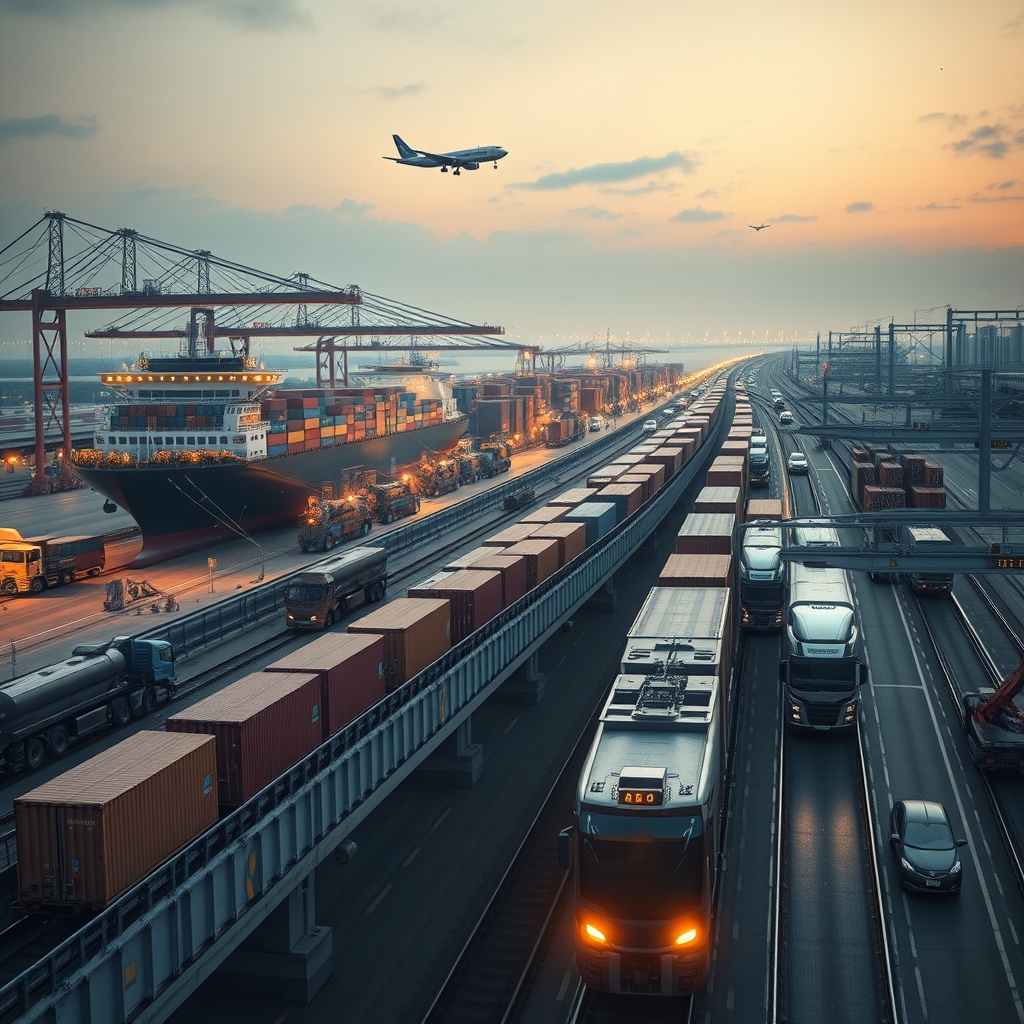
In an era where global trade moves at the speed of digital transactions, the efficiency of logistics networks determines the success of businesses worldwide. While individual modes of transport—maritime, air, and land—each play a critical role, the true magic happens when they converge seamlessly. Intermodal transportation, the strategic integration of multiple transport modes under a single shipment, is emerging as the linchpin of modern supply chain solutions, offering unparalleled flexibility, cost efficiency, and sustainability.
The Rise of Intermodal Transportation
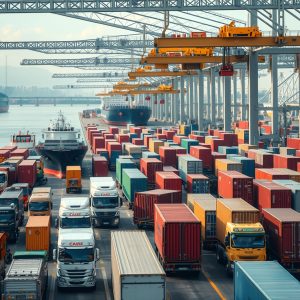
Intermodal transportation is not a new concept, but its adoption has accelerated in recent years, driven by the demands of e-commerce logistics, the expansion of global trade routes, and the need for resilient supply chains. Unlike traditional single-mode transport, intermodal solutions leverage the strengths of each mode—maritime for bulk cargo, air for speed, and land for accessibility—while mitigating their individual limitations. For businesses engaged in international trade, this approach reduces transit times, lowers costs, and enhances reliability, making it a cornerstone of freight forwarding and cargo shipping strategies.
Why Businesses Are Shifting to Intermodal Solutions
The shift toward intermodal transportation is fueled by several key advantages. First, it offers significant cost savings by optimizing routes and reducing dependency on a single mode. For example, combining maritime transport for long-haul ocean freight with rail or trucking for last-mile delivery can cut expenses while maintaining efficiency. Second, intermodal solutions enhance supply chain resilience by providing alternatives when disruptions—such as port congestion, labor strikes, or geopolitical tensions—threaten single-mode operations. Third, they support sustainability goals by reducing carbon emissions through optimized routing and the use of fuel-efficient transport modes like rail.
The Role of Technology in Intermodal Logistics
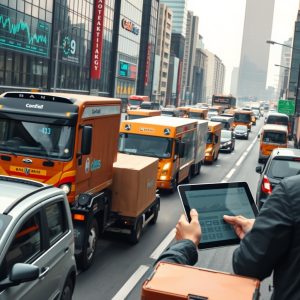
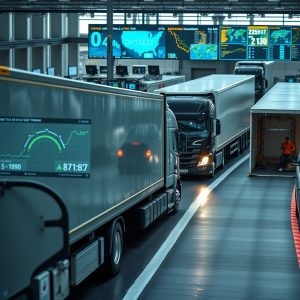
Technology is the catalyst that transforms intermodal transportation from a logistical concept into a streamlined, data-driven operation. Advanced logistics management systems now integrate real-time tracking, predictive analytics, and AI-driven route optimization to ensure seamless transitions between transport modes. For instance, IoT-enabled sensors monitor cargo conditions—such as temperature and humidity—during transit, which is particularly critical for cold chain logistics. Meanwhile, blockchain technology enhances transparency and trade compliance by providing an immutable record of shipments, reducing the risk of delays or disputes during customs clearance.
Overcoming Challenges in Intermodal Transportation
Despite its advantages, intermodal transportation is not without challenges. Coordinating multiple transport providers, managing complex documentation, and ensuring timely handovers between modes require meticulous planning and execution. Trade compliance and customs clearance, in particular, can become bottlenecks if not managed efficiently. However, third-party logistics (3PL) providers are stepping in to bridge these gaps, offering end-to-end solutions that handle everything from freight forwarding to last-mile delivery. By leveraging their expertise and global distribution networks, businesses can navigate the complexities of intermodal logistics with ease.
The Future of Intermodal Transportation
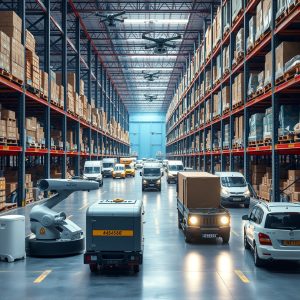
The future of intermodal transportation is shaped by innovation and collaboration. Autonomous vehicles, drone deliveries, and hyperloop technology are poised to revolutionize land and air cargo services, while advancements in maritime transport—such as autonomous ships and green fuels—promise to make ocean freight more sustainable. Additionally, the growth of e-commerce logistics is driving demand for faster, more flexible intermodal solutions, particularly in last-mile delivery. As businesses expand their global reach, the ability to seamlessly integrate multiple transport modes will become a competitive differentiator.
Intermodal transportation is more than just a logistical strategy; it is a testament to the power of integration in a fragmented world. By breaking down the silos between maritime, air, and land transport, businesses can create supply chains that are not only efficient but also adaptable to the ever-changing demands of global trade. As technology continues to evolve and new challenges emerge, the companies that embrace intermodal solutions will be the ones leading the charge in the next era of logistics innovation. The journey from warehouse to doorstep is no longer a linear path but a dynamic, interconnected network—and those who master it will redefine the future of commerce.