The Strategic Pulse of Global Trade: How Efficient Cargo Shipping Powers Modern Logistics Networks
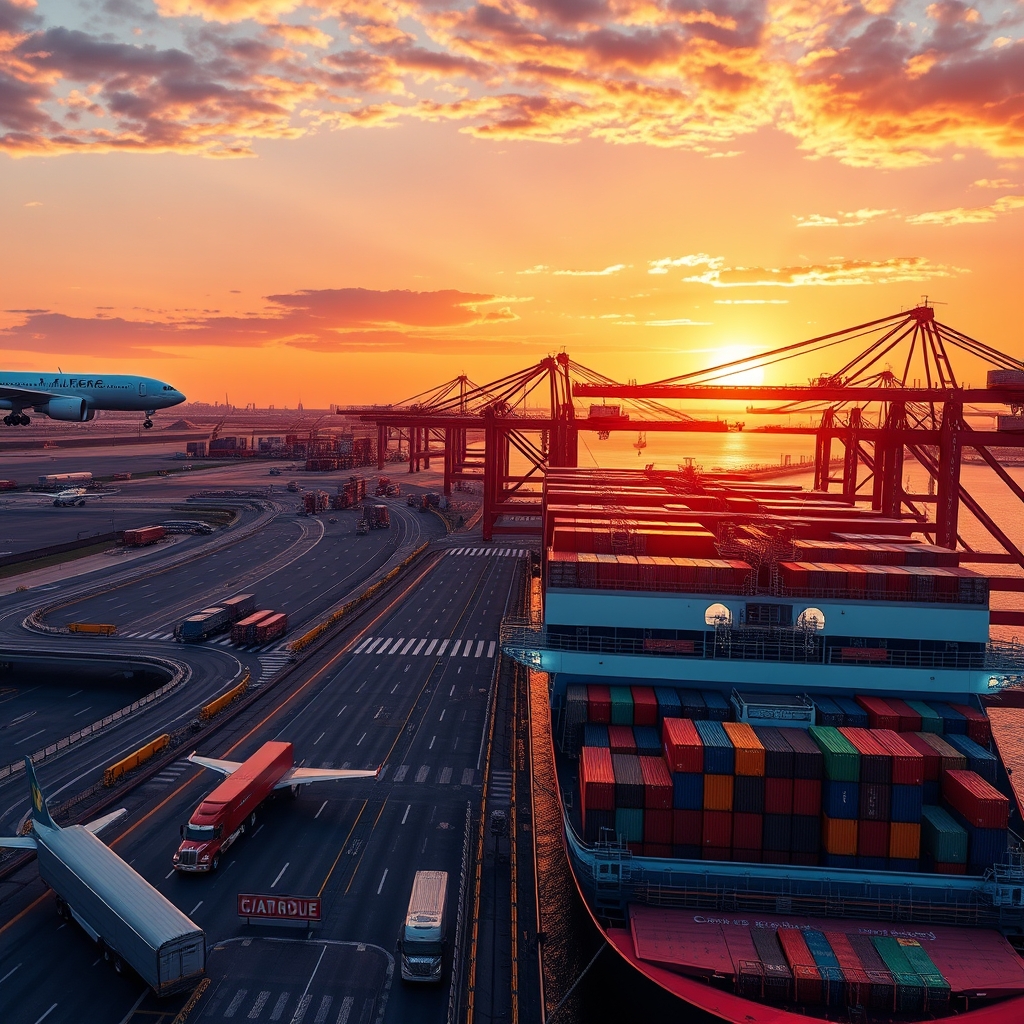
In the intricate web of global commerce, cargo shipping stands as the silent force that keeps economies moving. From raw materials traversing continents to finished products reaching consumers, the efficiency of maritime, air, and land transportation services determines the speed, cost, and reliability of international trade. Yet, behind the seamless flow of goods lies a complex ecosystem of logistics management, freight forwarding, and supply chain solutions that must work in perfect harmony to meet the demands of a fast-paced world.
The Backbone of International Trade: Maritime Transport
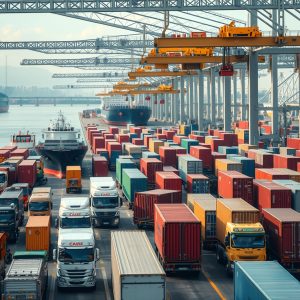
Maritime transport remains the cornerstone of global logistics, handling over 80% of the world’s trade by volume. Container ships, bulk carriers, and tankers form the arteries of international commerce, connecting manufacturers, suppliers, and markets across oceans. The evolution of maritime logistics—from automated ports to AI-driven route optimization—has drastically reduced transit times and operational costs. However, challenges like port congestion, geopolitical disruptions, and environmental regulations continue to test the resilience of this critical sector.
Modern shipping lines are increasingly adopting digital solutions, such as blockchain for transparent documentation and IoT sensors for real-time cargo tracking. These innovations not only enhance visibility but also streamline customs clearance, reducing delays and improving trade compliance. As sustainability becomes a priority, the industry is also exploring alternative fuels and carbon-neutral shipping practices to align with global climate goals.
The Speed of Air Cargo: Balancing Urgency and Efficiency
When time is of the essence, air cargo services emerge as the lifeline for high-value, perishable, or time-sensitive shipments. From pharmaceuticals to electronics, industries rely on air freight to maintain supply chain agility. The rise of e-commerce has further amplified demand, with consumers expecting rapid deliveries that only air transportation can consistently provide.
Yet, air cargo is not without its complexities. High operational costs, capacity constraints, and stringent security protocols require meticulous logistics management. Freight forwarders play a pivotal role here, leveraging their expertise to navigate customs regulations, optimize routes, and ensure compliance with international trade laws. The integration of AI and predictive analytics is also transforming air cargo operations, enabling better demand forecasting and dynamic pricing strategies.
Land Transportation: The Final Link in the Chain
While maritime and air transport dominate long-distance logistics, land transportation services—trucks, rail, and last-mile delivery networks—complete the journey. The last mile, in particular, has become a battleground for efficiency, with e-commerce giants investing heavily in automation, drone deliveries, and smart routing algorithms to meet consumer expectations.
Fleet management has evolved beyond mere vehicle tracking. Today, telematics, AI-driven maintenance, and fuel optimization tools are standard in modern logistics operations. For businesses engaged in export-import activities, efficient land transport ensures that goods move seamlessly from ports and airports to warehouses and retail shelves, minimizing bottlenecks and maximizing profitability.
Warehouse Management: The Unsung Hero of Supply Chain Efficiency
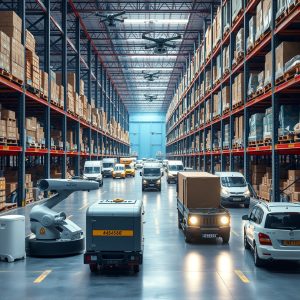
Behind every successful shipment lies a well-orchestrated warehouse management system. From inventory tracking to order fulfillment, warehouses serve as the nerve centers of global logistics. The shift toward automation—robotics, automated guided vehicles (AGVs), and warehouse management software (WMS)—has revolutionized storage, picking, and packing processes, reducing human error and accelerating throughput.
Cold chain logistics, a specialized subset of warehouse management, ensures that perishable goods—pharmaceuticals, food, and chemicals—maintain their integrity throughout the supply chain. Temperature-controlled storage, real-time monitoring, and fail-safe contingency plans are essential to prevent spoilage and financial losses. As global trade expands, the demand for advanced cold chain solutions continues to grow, particularly in emerging markets.
The Role of Third-Party Logistics (3PL) in Scaling Global Operations
For businesses looking to expand their global reach without the burden of managing logistics in-house, third-party logistics (3PL) providers offer a strategic advantage. By outsourcing warehousing, transportation, and distribution network management, companies can focus on core competencies while leveraging the expertise of specialized logistics partners.
3PL providers bring scalability, flexibility, and cost efficiencies to the table. They offer end-to-end supply chain solutions, from freight forwarding and customs clearance to last-mile delivery and reverse logistics. In an era where supply chain resilience is paramount, partnering with a reliable 3PL can mean the difference between seamless operations and costly disruptions.
Trade Compliance: Navigating the Regulatory Maze
No discussion of global logistics is complete without addressing trade compliance. Customs regulations, tariffs, and import-export restrictions vary by country, making compliance a complex but non-negotiable aspect of international trade. Non-compliance can result in hefty fines, shipment delays, or even legal repercussions, underscoring the need for robust trade compliance strategies.
Technology has become a game-changer in this space. Automated compliance software, AI-driven risk assessment tools, and digital customs platforms are simplifying the process, reducing paperwork, and accelerating clearance times. Freight forwarders and logistics providers with deep expertise in trade compliance ensure that shipments move smoothly across borders, minimizing risks and maximizing efficiency.
The global logistics landscape is in a state of constant evolution, driven by technological advancements, shifting consumer demands, and geopolitical dynamics. At its core, efficient cargo shipping—whether by sea, air, or land—remains the linchpin of international trade. Businesses that embrace innovation, prioritize resilience, and leverage strategic partnerships will not only navigate the complexities of modern logistics but also thrive in an increasingly interconnected world. The future of global commerce hinges on the ability to move goods faster, smarter, and more sustainably than ever before, and those who master this art will lead the next wave of economic transformation.