The Strategic Alchemy of Multimodal Logistics: Unlocking Efficiency in Global Supply Chains
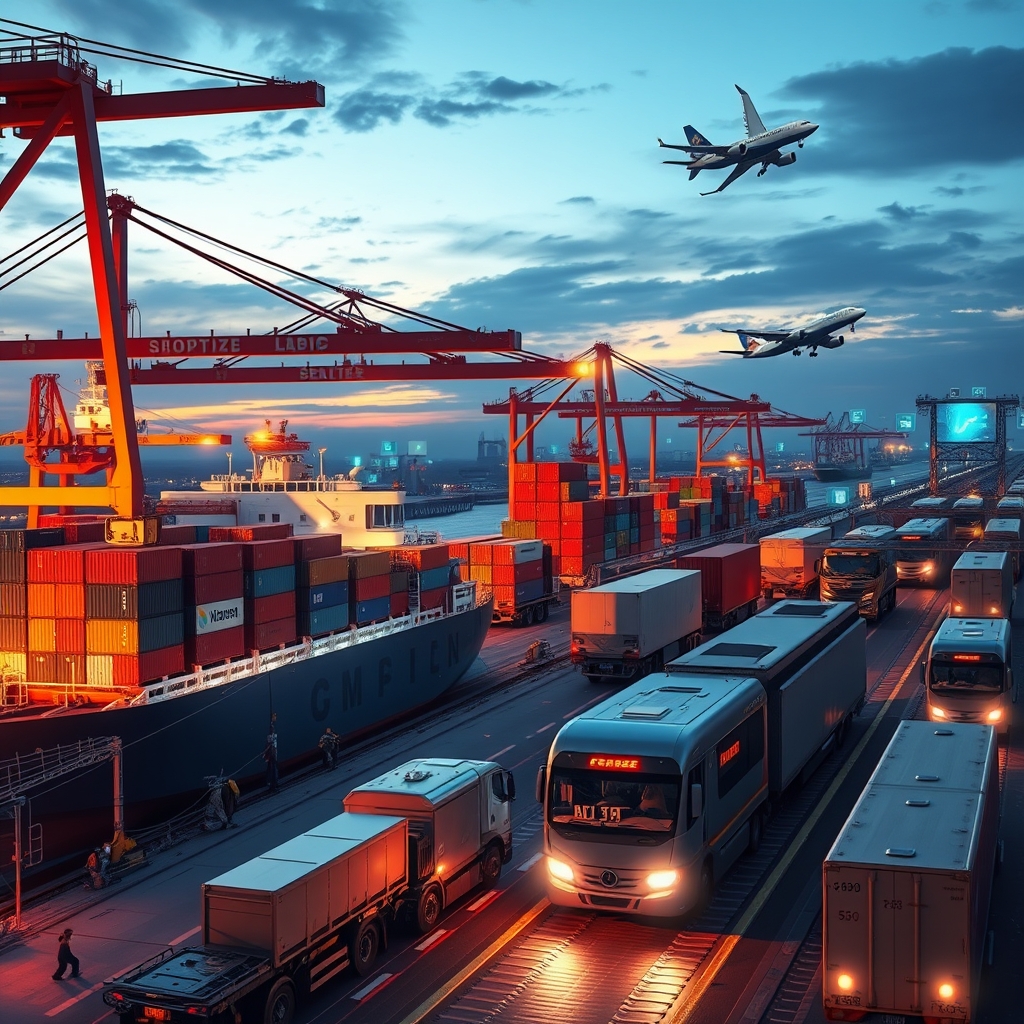
The modern global supply chain is a labyrinth of moving parts, where the seamless flow of goods hinges on the strategic integration of multiple transportation modes. Multimodal logistics, the art of combining maritime, air, land, and even rail transport, has emerged as the cornerstone of efficiency in international trade. By leveraging the unique strengths of each mode—whether it’s the cost-effectiveness of maritime shipping, the speed of air cargo, or the flexibility of road transport—businesses can optimize their supply chains to meet the demands of a fast-paced, interconnected world.
The Foundations of Multimodal Logistics
At its core, multimodal logistics is about synergy. It’s not merely about moving goods from point A to point B but doing so in a way that minimizes costs, reduces transit times, and enhances reliability. For instance, maritime transport remains the backbone of global trade, handling over 80% of the world’s goods by volume. However, its slower pace can be a bottleneck for time-sensitive shipments. This is where air cargo steps in, offering unparalleled speed for high-value or perishable goods. Meanwhile, land transportation—whether by truck or rail—provides the critical last-mile connectivity that bridges the gap between ports, airports, and final destinations.
The true power of multimodal logistics lies in its ability to adapt. A shipment might begin its journey on a container ship crossing the Pacific, transition to a freight train for inland distribution, and finally reach its destination via a fleet of delivery trucks. Each leg of the journey is carefully orchestrated to ensure efficiency, with advanced tracking systems providing real-time visibility into the cargo’s progress. This level of coordination is not just a logistical feat; it’s a strategic advantage that can make or break a business’s competitiveness in the global market.
The Role of Technology in Multimodal Integration
Technology has revolutionized the way multimodal logistics operates. Gone are the days of manual coordination and paper-based tracking. Today, digital platforms and artificial intelligence (AI) are transforming supply chain management, enabling businesses to optimize routes, predict delays, and automate documentation. For example, AI-driven algorithms can analyze vast amounts of data to determine the most efficient combination of transport modes for a given shipment, taking into account factors like cost, transit time, and carbon footprint. Meanwhile, blockchain technology is enhancing transparency and security, ensuring that every stakeholder in the supply chain—from freight forwarders to customs officials—has access to accurate, tamper-proof information.
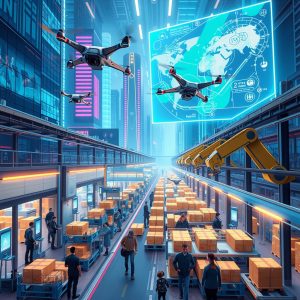
One of the most significant advancements in this space is the rise of integrated logistics platforms. These platforms act as a central hub, connecting shippers, carriers, and logistics providers in a seamless digital ecosystem. By consolidating all aspects of the supply chain—from booking and tracking to customs clearance and last-mile delivery—these platforms eliminate silos and streamline operations. For businesses, this means faster decision-making, reduced operational costs, and improved customer satisfaction. For the logistics industry as a whole, it represents a shift toward a more agile, responsive, and sustainable future.
Overcoming the Challenges of Multimodal Logistics
Despite its many advantages, multimodal logistics is not without its challenges. One of the biggest hurdles is the complexity of coordinating multiple transport modes, each with its own set of regulations, infrastructure, and operational quirks. For example, maritime transport is subject to port congestion and weather delays, while air cargo is vulnerable to capacity constraints and fluctuating fuel costs. Land transportation, meanwhile, faces challenges like traffic congestion, regulatory compliance, and the need for efficient fleet management.
Another critical challenge is trade compliance. Navigating the maze of customs regulations, tariffs, and trade agreements can be daunting, especially for businesses operating across multiple countries. A single misstep in documentation or classification can lead to costly delays, fines, or even the seizure of goods. This is where the expertise of freight forwarders and third-party logistics (3PL) providers becomes invaluable. These partners specialize in managing the complexities of international trade, ensuring that shipments comply with local laws and regulations while minimizing disruptions to the supply chain.
The Environmental Imperative
In an era of growing environmental awareness, sustainability has become a key consideration in multimodal logistics. The transportation sector is a significant contributor to global carbon emissions, and businesses are under increasing pressure to adopt greener practices. Multimodal logistics offers a unique opportunity to reduce the environmental impact of supply chains by optimizing routes and leveraging the most eco-friendly transport modes. For example, rail transport is far more energy-efficient than road or air transport, making it an attractive option for long-distance inland shipments. Similarly, maritime shipping, while slower, has a lower carbon footprint per ton of cargo than air freight.
Many companies are also exploring innovative solutions like electric vehicles for last-mile delivery, alternative fuels for maritime and air transport, and carbon offset programs to neutralize their emissions. By integrating sustainability into their multimodal logistics strategies, businesses can not only reduce their environmental footprint but also enhance their brand reputation and appeal to eco-conscious consumers.
The Future of Multimodal Logistics
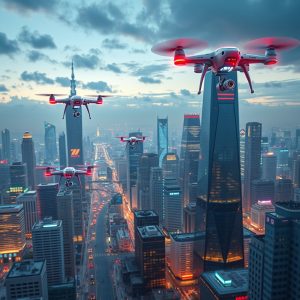
The future of multimodal logistics is being shaped by a convergence of technological innovation, shifting consumer expectations, and global economic trends. The rise of e-commerce, for instance, has created unprecedented demand for fast, reliable, and flexible delivery options. This has led to the growth of specialized logistics services like same-day delivery, drone deliveries, and micro-fulfillment centers, all of which rely on multimodal transportation to function effectively. Meanwhile, geopolitical factors like trade wars, pandemics, and supply chain disruptions are forcing businesses to rethink their logistics strategies, prioritizing resilience and adaptability over cost alone.
As the logistics industry continues to evolve, one thing is clear: the ability to seamlessly integrate multiple transport modes will be a defining factor in the success of global supply chains. Businesses that embrace multimodal logistics—leveraging technology, sustainability, and strategic partnerships—will be best positioned to navigate the complexities of international trade and thrive in an increasingly interconnected world. The journey of a single shipment may involve multiple modes of transport, but the goal remains the same: to deliver goods efficiently, reliably, and sustainably, no matter where they’re headed.
In this dynamic landscape, the true alchemy of multimodal logistics lies not just in the movement of goods, but in the transformation of challenges into opportunities. By mastering the art of integration, businesses can turn the complexities of global trade into a strategic advantage, driving growth, innovation, and long-term success in an ever-changing world.