The Strategic Role of Warehouse Automation in Revolutionizing Modern Logistics Management
In the fast-paced world of global trade and e-commerce, the efficiency of warehouse operations can make or break a supply chain. As businesses strive to meet the growing demands of consumers and navigate the complexities of international trade, warehouse automation has emerged as a game-changer. By integrating cutting-edge technology into warehouse management, companies are not only streamlining operations but also enhancing accuracy, reducing costs, and accelerating delivery times. This transformation is reshaping the logistics landscape, offering a competitive edge to those who embrace it.
The Rise of Automation in Warehouse Management
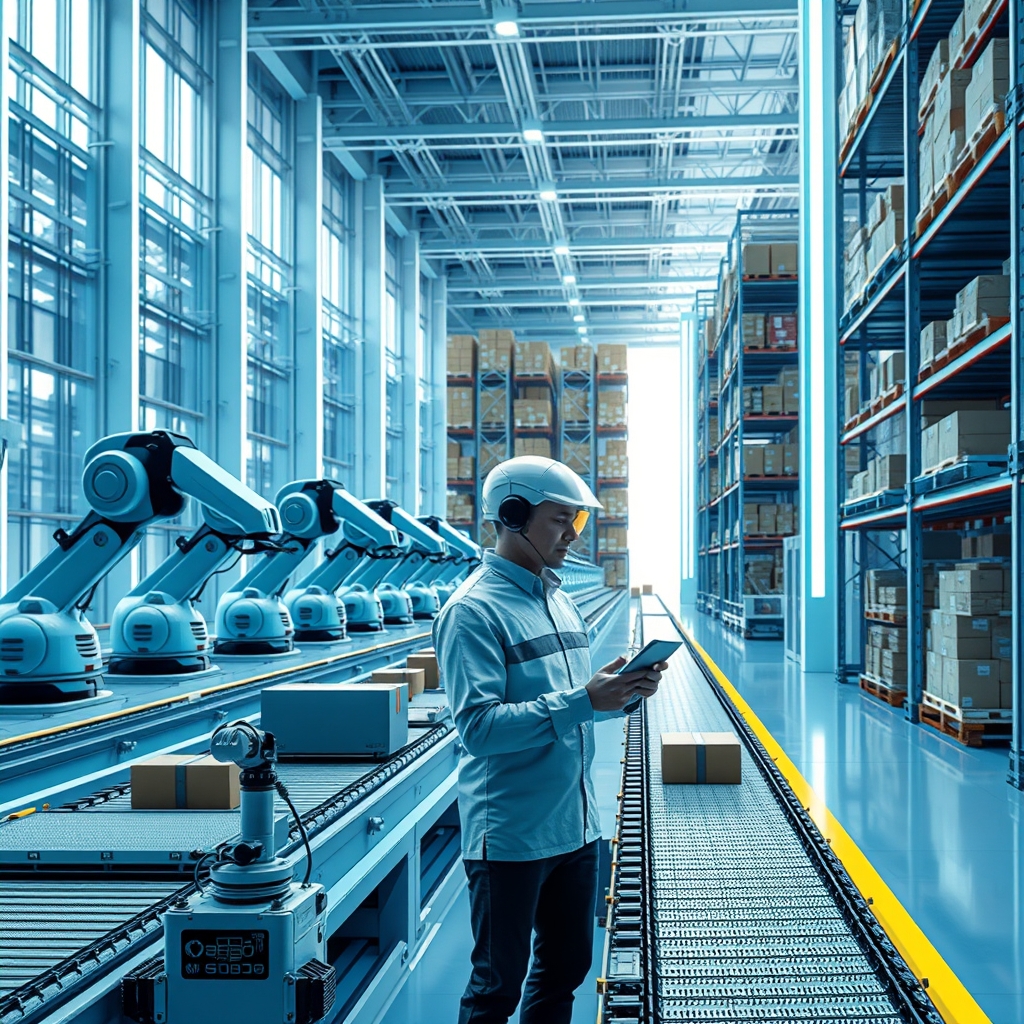
The traditional warehouse model, reliant on manual labor and paper-based processes, is increasingly becoming obsolete. The surge in e-commerce, coupled with the need for faster order fulfillment, has exposed the limitations of conventional methods. Warehouse automation addresses these challenges by leveraging technologies such as robotics, artificial intelligence (AI), and the Internet of Things (IoT) to create smarter, more efficient environments. Automated guided vehicles (AGVs), robotic picking systems, and automated storage and retrieval systems (AS/RS) are just a few examples of how automation is revolutionizing warehouse operations.
These technologies are not merely about replacing human labor; they are about augmenting it. By handling repetitive and physically demanding tasks, automation allows human workers to focus on more strategic, value-added activities. For instance, AI-driven inventory management systems can predict demand patterns, optimize stock levels, and reduce the risk of overstocking or stockouts. This level of precision is particularly critical in industries like cold chain logistics, where perishable goods require meticulous handling and storage.
The Impact on Supply Chain Efficiency
Warehouse automation is a cornerstone of modern supply chain solutions. It enables businesses to achieve higher throughput, improve order accuracy, and reduce operational costs. For example, robotic picking systems can process orders at a speed and accuracy that far surpasses manual methods. This is especially beneficial in e-commerce logistics, where the volume of small, individual orders can overwhelm traditional warehouses. Automation ensures that orders are fulfilled quickly and accurately, leading to higher customer satisfaction and repeat business.
Moreover, automation enhances visibility across the supply chain. Real-time data from automated systems provides logistics managers with insights into inventory levels, order status, and potential bottlenecks. This visibility is crucial for making informed decisions, particularly in global logistics, where delays or disruptions can have far-reaching consequences. By integrating warehouse automation with other supply chain technologies, such as transportation management systems (TMS) and fleet management software, businesses can create a seamless, end-to-end logistics network that operates with unparalleled efficiency.
Overcoming Challenges in Implementation
While the benefits of warehouse automation are clear, implementing these technologies is not without its challenges. The initial investment can be significant, and businesses must carefully assess their needs to determine the most cost-effective solutions. For small and medium-sized enterprises (SMEs), this may involve starting with smaller-scale automation, such as automated conveyor systems or warehouse management software (WMS), before scaling up to more advanced technologies like robotics.
Another challenge is the integration of automation with existing systems. Many warehouses operate with legacy software and infrastructure that may not be compatible with modern automation technologies. This requires a strategic approach to system integration, often involving partnerships with technology providers who can offer tailored solutions. Additionally, workforce training is essential to ensure that employees can effectively operate and maintain automated systems. Companies must invest in upskilling their workforce to maximize the benefits of automation and minimize disruptions during the transition.
The Role of Data and AI in Warehouse Automation
Data is the lifeblood of warehouse automation. AI and machine learning algorithms analyze vast amounts of data to optimize warehouse operations, from inventory placement to order routing. For example, AI can determine the most efficient picking paths for robotic systems, reducing travel time and increasing productivity. Predictive analytics can also forecast demand, allowing businesses to adjust their inventory and staffing levels accordingly. This data-driven approach not only improves efficiency but also reduces waste, particularly in industries like cold chain logistics, where temperature-sensitive goods require precise handling.
Furthermore, AI-powered systems can adapt to changing conditions in real time. For instance, if a sudden spike in orders occurs, the system can automatically reallocate resources to meet demand. This level of agility is invaluable in today’s dynamic market, where consumer expectations and global trade conditions can shift rapidly. By harnessing the power of data and AI, businesses can create warehouses that are not only automated but also intelligent and responsive.
The Future of Warehouse Automation
The future of warehouse automation is bright, with advancements in technology continuing to push the boundaries of what is possible. Emerging technologies like blockchain are being explored for their potential to enhance transparency and security in warehouse operations. For example, blockchain can provide an immutable record of inventory movements, reducing the risk of fraud and errors. Similarly, advancements in robotics, such as collaborative robots (cobots), are making it easier for humans and machines to work together seamlessly.
As automation becomes more sophisticated, its applications will expand beyond traditional warehouses. For example, last mile delivery is an area where automation is beginning to make an impact. Autonomous delivery vehicles and drones are being tested for their ability to transport goods from warehouses to customers’ doorsteps quickly and efficiently. This could revolutionize e-commerce logistics, particularly in urban areas where traffic congestion and delivery delays are common challenges.
The integration of warehouse automation with other logistics technologies, such as fleet management and transportation services, will create a fully connected supply chain ecosystem. This ecosystem will enable businesses to respond to market demands with unprecedented speed and precision. For companies involved in international trade, this means faster customs clearance, more efficient cargo shipping, and better compliance with trade regulations. The result is a supply chain that is not only more efficient but also more resilient and adaptable to change.
In the grand scheme of global logistics, warehouse automation is more than just a technological upgrade; it is a strategic imperative. As businesses continue to navigate the complexities of modern supply chains, those who embrace automation will find themselves at the forefront of innovation. The ability to process orders faster, reduce costs, and improve accuracy is no longer a luxury but a necessity in today’s competitive market. By investing in warehouse automation, companies are not just optimizing their operations; they are future-proofing their businesses and setting the stage for long-term success in the ever-evolving world of logistics.