Warehouse Automation: Balancing Efficiency and Cost in Supply Chain Operations
The modern supply chain is under relentless pressure to deliver faster, cheaper, and more accurately than ever before. As e-commerce continues to surge and consumer expectations evolve, warehouses are no longer just storage spaces—they are dynamic hubs where efficiency determines competitive advantage. Automation has emerged as a game-changer, offering solutions to long-standing challenges like labor shortages, operational bottlenecks, and escalating costs. But while the promise of robotics, IoT, and AI is undeniable, the path to automation is not without its complexities. Striking the right balance between efficiency gains and cost implications requires a strategic approach, one that aligns technology with business goals without overcomplicating operations.
The Rise of Warehouse Automation
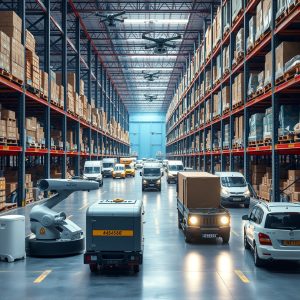
Warehouse automation is not a new concept, but recent advancements in technology have propelled it into the mainstream. Traditional warehouses relied heavily on manual labor for tasks like picking, packing, and inventory management, processes that were not only time-consuming but also prone to human error. Today, automation technologies are transforming these operations, enabling warehouses to handle higher volumes with greater precision. From autonomous mobile robots (AMRs) that navigate aisles to AI-driven software that optimizes inventory placement, the tools available are as diverse as they are powerful.
The driving force behind this shift is the need for speed. In an era where same-day delivery is becoming the norm, warehouses must process orders at unprecedented rates. Automation reduces the time spent on repetitive tasks, allowing human workers to focus on more complex, value-added activities. For example, robotic arms can pick and pack items with near-perfect accuracy, while IoT-enabled sensors monitor inventory levels in real-time, reducing the risk of stockouts or overstocking. These technologies don’t just improve efficiency—they redefine what’s possible in warehouse operations.
Key Technologies Shaping the Future
Robotics: The Backbone of Automation
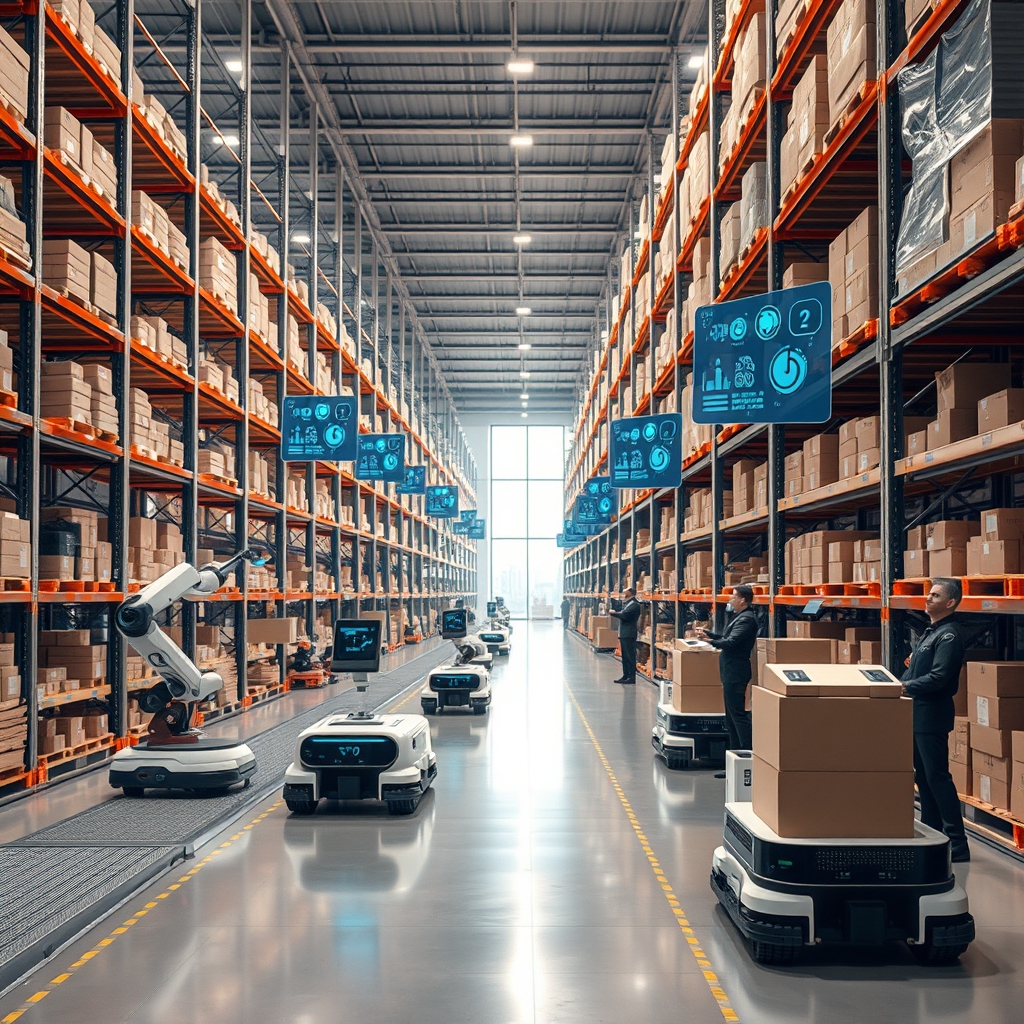
Robotics is perhaps the most visible aspect of warehouse automation. Companies like Amazon and Alibaba have deployed thousands of robots in their fulfillment centers, dramatically reducing the time it takes to process orders. These robots come in various forms, from AMRs that transport goods across the warehouse floor to collaborative robots (cobots) that work alongside human employees. The beauty of robotics lies in their adaptability—they can be programmed to handle a wide range of tasks, from sorting and packing to loading and unloading shipments.
One of the most significant advantages of robotics is their ability to operate 24/7 without fatigue. Unlike human workers, robots don’t require breaks, vacations, or shifts, which means warehouses can maintain consistent productivity levels around the clock. However, the initial investment in robotics can be substantial, and not all businesses have the capital to deploy large-scale robotic systems. This is where modular automation comes into play—companies can start with a few robots and scale up as their needs grow, making the technology more accessible to smaller operations.
IoT: The Nervous System of the Warehouse
The Internet of Things (IoT) is another critical component of warehouse automation. IoT devices, such as sensors and RFID tags, collect and transmit data in real-time, providing warehouse managers with unprecedented visibility into their operations. For instance, IoT-enabled sensors can track the temperature and humidity of perishable goods, ensuring they are stored under optimal conditions. RFID tags, on the other hand, can be used to monitor the movement of goods throughout the warehouse, reducing the risk of misplaced or lost inventory.
The data generated by IoT devices is invaluable for predictive analytics. By analyzing patterns in the data, warehouses can anticipate demand fluctuations, optimize storage layouts, and even predict equipment failures before they occur. This proactive approach to maintenance can save businesses significant time and money, as it minimizes downtime and extends the lifespan of critical assets. However, the sheer volume of data generated by IoT devices can be overwhelming, and warehouses must invest in robust data management systems to make sense of it all.
AI: The Brain Behind the Operation
Artificial intelligence (AI) is the glue that holds warehouse automation together. AI-powered software can analyze vast amounts of data to make real-time decisions, from optimizing picking routes to forecasting demand. Machine learning algorithms, a subset of AI, can even learn from past mistakes, continuously improving their performance over time. For example, AI can analyze historical order data to predict which items are likely to be in high demand during certain periods, allowing warehouses to pre-position inventory for faster fulfillment.
AI also plays a crucial role in workforce management. By analyzing employee performance data, AI can identify training needs, optimize shift schedules, and even predict turnover rates. This not only improves productivity but also enhances employee satisfaction, as workers are better matched to tasks that align with their skills. However, the implementation of AI requires a significant investment in both technology and talent. Warehouses must hire or train employees with the expertise to manage and maintain AI systems, which can be a barrier for smaller businesses.
The Cost-Efficiency Conundrum
While the benefits of warehouse automation are clear, the cost of implementation can be a major hurdle. The upfront investment in robotics, IoT devices, and AI software can run into millions of dollars, depending on the scale of the operation. For many businesses, this is a daunting prospect, especially when the return on investment (ROI) is not immediately apparent. However, it’s important to view automation as a long-term strategy rather than a short-term fix. The efficiency gains and cost savings realized over time can far outweigh the initial expenditure.
One way to mitigate the financial risk is to adopt a phased approach to automation. Instead of overhauling the entire warehouse at once, businesses can start with small, high-impact projects that deliver quick wins. For example, implementing a warehouse management system (WMS) with basic automation features can provide immediate improvements in inventory accuracy and order fulfillment speed. As the business grows and the ROI becomes clearer, additional automation technologies can be introduced incrementally.
Another consideration is the total cost of ownership (TCO). While the upfront cost of automation is significant, businesses must also account for ongoing expenses like maintenance, software updates, and employee training. These costs can add up over time, so it’s essential to choose technologies that are scalable and easy to maintain. Partnering with a reputable automation provider can also help, as they can offer support and guidance throughout the implementation process.
Labor Considerations: The Human Element
One of the most contentious aspects of warehouse automation is its impact on the workforce. There’s a common fear that robots and AI will replace human jobs, leading to widespread unemployment. While it’s true that automation will change the nature of work in warehouses, it doesn’t necessarily mean the end of human labor. In fact, many experts argue that automation will create new opportunities for workers, particularly in roles that require critical thinking, problem-solving, and creativity.
For example, as robots take over repetitive tasks like picking and packing, human workers can be redeployed to more strategic roles, such as quality control, customer service, or process optimization. This shift can lead to higher job satisfaction, as employees are no longer bogged down by monotonous tasks. However, it also requires a commitment to upskilling and reskilling the workforce. Businesses must invest in training programs to ensure their employees have the skills needed to thrive in an automated environment.
Moreover, automation can help address labor shortages, a persistent challenge in the warehousing industry. With the rise of e-commerce, the demand for warehouse workers has skyrocketed, but the supply of available labor has not kept pace. Automation can fill this gap by taking on tasks that are difficult to staff, such as overnight shifts or physically demanding roles. This not only improves operational efficiency but also enhances the overall work environment, making warehouses more attractive to potential employees.
Warehouse automation is no longer a luxury—it’s a necessity for businesses that want to stay competitive in today’s fast-paced supply chain landscape. The technologies driving this transformation, from robotics to AI, offer unprecedented opportunities to improve speed, accuracy, and cost-efficiency. However, the journey to automation is not without its challenges. Businesses must carefully weigh the benefits against the costs, adopting a strategic approach that aligns technology with their unique needs. By doing so, they can unlock the full potential of automation, creating warehouses that are not only more efficient but also more resilient in the face of an ever-changing market. The future of warehousing is here, and those who embrace it will be the ones leading the way.