
The Art and Science of Last Mile Delivery: Bridging the Gap in E-Commerce Logistics
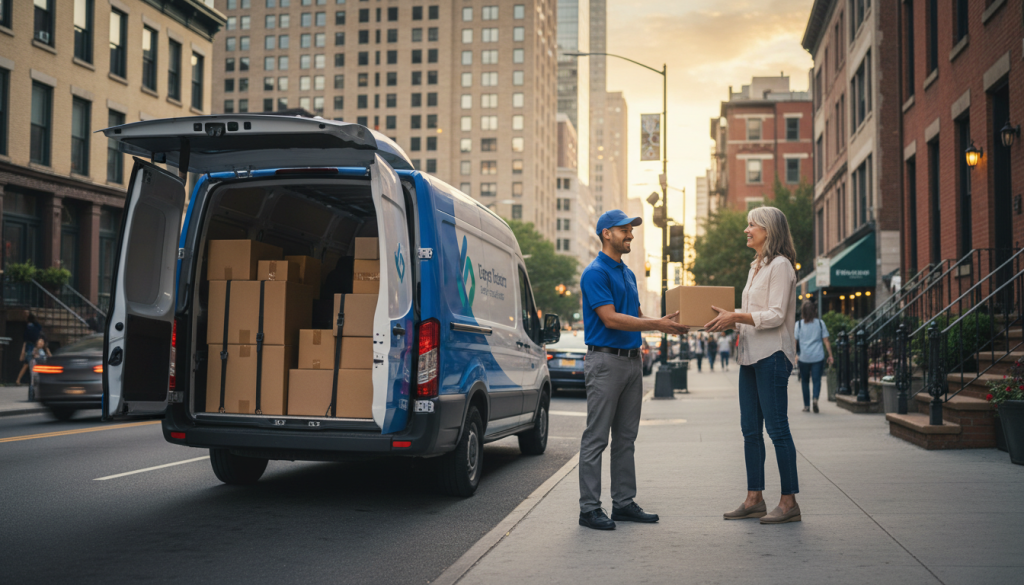
In the rapidly evolving landscape of e-commerce, the final leg of the delivery journey – often referred to as the “last mile” – has become a critical battleground for businesses. It’s the moment of truth, where the customer experience is cemented, and the efficiency of the entire supply chain is put to the ultimate test. While the preceding stages of logistics management, from warehousing to freight forwarding, are undeniably important, it is the last mile delivery that directly impacts customer satisfaction, brand loyalty, and ultimately, profitability. Successfully navigating this complex terrain requires a sophisticated blend of technology, strategic planning, and a deep understanding of consumer expectations.
The Unique Challenges of the Last Mile
The last mile is notoriously the most expensive and inefficient part of the supply chain. Unlike long-haul transportation, which benefits from economies of scale and predictable routes, last mile delivery involves a multitude of small, individual deliveries to diverse locations. This fragmentation leads to increased fuel consumption, higher labor costs, and greater potential for delays. Factors such as traffic congestion, unpredictable weather, incorrect addresses, and the “customer not home” scenario further complicate operations. For businesses, especially those experiencing rapid growth in online sales, optimizing this segment is not just a matter of cost reduction but of maintaining a competitive edge.
Leveraging Technology for Last Mile Efficiency
Technology has emerged as a game-changer in overcoming the hurdles of last mile delivery. Advanced route optimization software can analyze real-time traffic data, delivery windows, and vehicle capacity to create the most efficient routes, minimizing mileage and time. GPS tracking allows for real-time monitoring of delivery vehicles, providing transparency to both the logistics provider and the customer. Mobile applications empower drivers with digital proof of delivery, customer communication tools, and updated route information, streamlining their workflow. Furthermore, the rise of data analytics enables businesses to identify patterns, predict potential issues, and continuously refine their delivery strategies for maximum impact.
The Role of Diverse Delivery Models
To cater to varied customer needs and geographical challenges, businesses are increasingly adopting diverse last mile delivery models. Crowdsourced delivery platforms, utilizing independent contractors, offer flexibility and scalability, particularly for on-demand services. The deployment of autonomous vehicles and drones, while still in nascent stages for widespread commercial use, promises to revolutionize delivery speed and cost-effectiveness in the future. For urban environments, micro-fulfillment centers strategically located within cities can significantly reduce transit times and delivery costs by bringing inventory closer to the end consumer. This localized approach is particularly effective for fast-moving consumer goods and time-sensitive deliveries.
Enhancing Customer Experience Through Last Mile Solutions
The customer experience is paramount in the final mile. Beyond speed and reliability, customers today expect greater control and transparency. Real-time tracking, flexible delivery options (such as specific time slots or pickup points), and proactive communication about potential delays are no longer luxuries but necessities. Offering options like “leave at door” or “deliver to neighbor” can mitigate the “customer not home” issue. Moreover, the unboxing experience itself is a crucial touchpoint. Ensuring that packages are delivered in good condition, with appropriate packaging, contributes to a positive brand perception. Investing in well-trained, courteous delivery personnel is also vital, as they are the face of the company at the customer’s doorstep.
Integrating Last Mile with Broader Supply Chain Solutions
While last mile delivery is a distinct operational challenge, its success is intrinsically linked to the broader supply chain. Effective warehouse management ensures that orders are accurately picked and packed, ready for dispatch. Robust inventory management systems prevent stockouts and delays. Efficient freight forwarding and transportation services ensure that goods reach the local distribution hubs on time. For businesses operating globally, understanding trade compliance and customs clearance is also indirectly related, as any disruption upstream can cascade into last mile delays. Therefore, a holistic approach, where the last mile is seamlessly integrated into the entire supply chain, is essential for optimal performance. This often involves close collaboration with third-party logistics (3PL) providers who possess specialized expertise and infrastructure to manage these complex operations.
In conclusion, the last mile of e-commerce logistics is far more than just the final delivery; it is a strategic imperative that shapes customer perception and drives business success. By embracing technological advancements, exploring innovative delivery models, prioritizing the customer experience, and ensuring seamless integration with the wider supply chain, companies can transform this challenging phase into a significant competitive advantage, ensuring that every order arrives not just at the doorstep, but also leaves a lasting positive impression.