Optimizing Global Trade: The Critical Role of Modern Logistics Management in Supply Chain Success
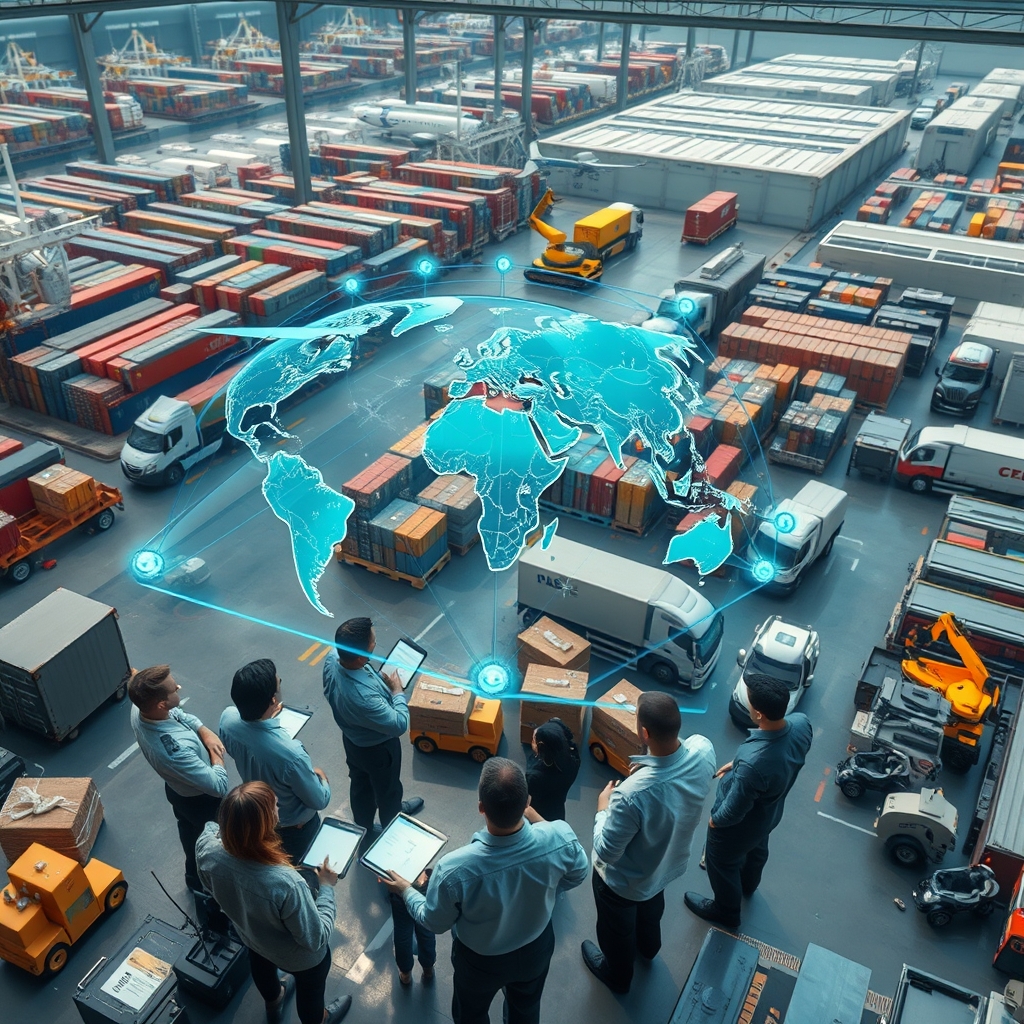
The landscape of international trade has evolved dramatically over the past few decades, driven by globalization, technological advancements, and shifting consumer expectations. At the heart of this transformation lies logistics management, a multifaceted discipline that ensures the seamless flow of goods across borders, from manufacturers to end consumers. Without efficient logistics, even the most well-planned supply chain solutions can falter, leading to delays, increased costs, and dissatisfied customers. Understanding the intricacies of modern logistics is no longer optional—it’s a competitive necessity for businesses engaged in export-import operations or global commerce.
The Backbone of Global Commerce: Freight Forwarding and Transportation Services
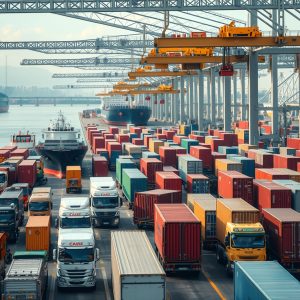
At the core of logistics management is freight forwarding, a service that acts as the intermediary between shippers and transportation providers. Freight forwarders coordinate the movement of goods via maritime transport, air cargo services, and land transportation, ensuring that shipments reach their destinations on time and in optimal condition. Their expertise in navigating complex trade routes, documentation requirements, and regulatory hurdles makes them indispensable for businesses looking to expand their reach in international trade.
For example, a company exporting perishable goods from South America to Europe must rely on cold chain logistics to maintain product integrity during transit. Freight forwarders with specialized knowledge in refrigerated containers and temperature-controlled warehouses can make the difference between a successful delivery and a costly spoilage incident. Similarly, businesses dealing with high-value or time-sensitive shipments often turn to air cargo services for speed, while bulk commodities like grains or minerals are typically transported via cost-effective maritime transport.
Navigating the Complexities of Trade Compliance and Customs Clearance
One of the most daunting challenges in global logistics is ensuring trade compliance and smooth customs clearance. Each country has its own set of regulations governing imports and exports, including tariffs, quotas, and restrictions on certain goods. Non-compliance can result in hefty fines, shipment seizures, or even legal action, making it critical for businesses to stay informed and work with experienced logistics partners.
Third-party logistics (3PL) providers often play a pivotal role in this process. By leveraging their expertise in customs clearance, they help businesses avoid common pitfalls such as incorrect classification of goods, missing documentation, or failure to adhere to local trade laws. For instance, a company exporting electronics to the United States must comply with the Federal Communications Commission (FCC) regulations, while food products require approval from the Food and Drug Administration (FDA). A knowledgeable 3PL provider can streamline these processes, reducing the risk of delays and ensuring that shipments clear customs without unnecessary hurdles.
The Last Mile: Where Efficiency Meets Customer Satisfaction
While much of the focus in logistics management is on the movement of goods across continents, the final leg of the journey—last mile delivery—is where businesses can truly differentiate themselves. This stage involves transporting goods from a local distribution center to the customer’s doorstep, and it is often the most complex and costly part of the supply chain. With the rise of e-commerce logistics, consumer expectations for fast, flexible, and reliable delivery have never been higher.
To meet these demands, companies are investing in innovative solutions such as route optimization software, autonomous delivery vehicles, and crowd-sourced delivery networks. For example, retailers like Amazon and Walmart have pioneered same-day and next-day delivery options, setting a new standard for last mile delivery. Meanwhile, businesses operating in urban areas face additional challenges, such as traffic congestion and limited parking, which can delay deliveries and increase costs. By leveraging real-time data and predictive analytics, logistics managers can optimize delivery routes, reduce fuel consumption, and improve overall efficiency.
Warehouse Management: The Unsung Hero of Supply Chain Efficiency
Behind every successful logistics operation is a well-managed warehouse. Effective warehouse management ensures that goods are stored, picked, packed, and shipped with precision, minimizing errors and maximizing productivity. Modern warehouses are increasingly adopting automation technologies, such as robotics, artificial intelligence (AI), and the Internet of Things (IoT), to streamline operations and reduce labor costs.
For instance, automated guided vehicles (AGVs) can transport goods within a warehouse without human intervention, while AI-powered inventory management systems can predict demand patterns and optimize stock levels. These advancements not only improve accuracy but also enable businesses to respond quickly to fluctuations in demand, such as during peak shopping seasons or supply chain disruptions. Additionally, distribution networks benefit from strategically located warehouses, which reduce transit times and lower transportation costs by positioning inventory closer to end customers.
The Future of Logistics: Embracing Innovation and Sustainability
As the logistics industry continues to evolve, businesses must embrace innovation to stay ahead of the curve. Emerging technologies like blockchain are being explored to enhance transparency and traceability in global supply chains, while fleet management systems are leveraging telematics to monitor vehicle performance and driver behavior in real time. These advancements not only improve operational efficiency but also contribute to sustainability efforts by reducing carbon emissions and optimizing fuel consumption.
Sustainability is no longer a buzzword—it’s a business imperative. Consumers and regulators alike are demanding greener logistics practices, prompting companies to adopt eco-friendly initiatives such as electric delivery vehicles, carbon-neutral shipping options, and circular supply chain models. For example, companies like Maersk and DHL have committed to achieving net-zero emissions by 2050, setting a benchmark for the industry. By integrating sustainability into their logistics strategies, businesses can reduce their environmental footprint while also appealing to environmentally conscious consumers.
In an era where global trade is more interconnected than ever, the ability to navigate the complexities of logistics management can make or break a business. From freight forwarding and customs clearance to last mile delivery and warehouse management, each component of the supply chain plays a vital role in ensuring that goods move efficiently and cost-effectively. As technology continues to reshape the industry, businesses that prioritize innovation, compliance, and sustainability will be best positioned to thrive in the dynamic world of international trade. The key to success lies not just in moving goods from point A to point B, but in doing so with precision, agility, and a forward-thinking mindset that anticipates the challenges and opportunities of tomorrow.