The Digital Transformation of Logistics: How AI and Automation Are Reshaping Supply Chain Solutions
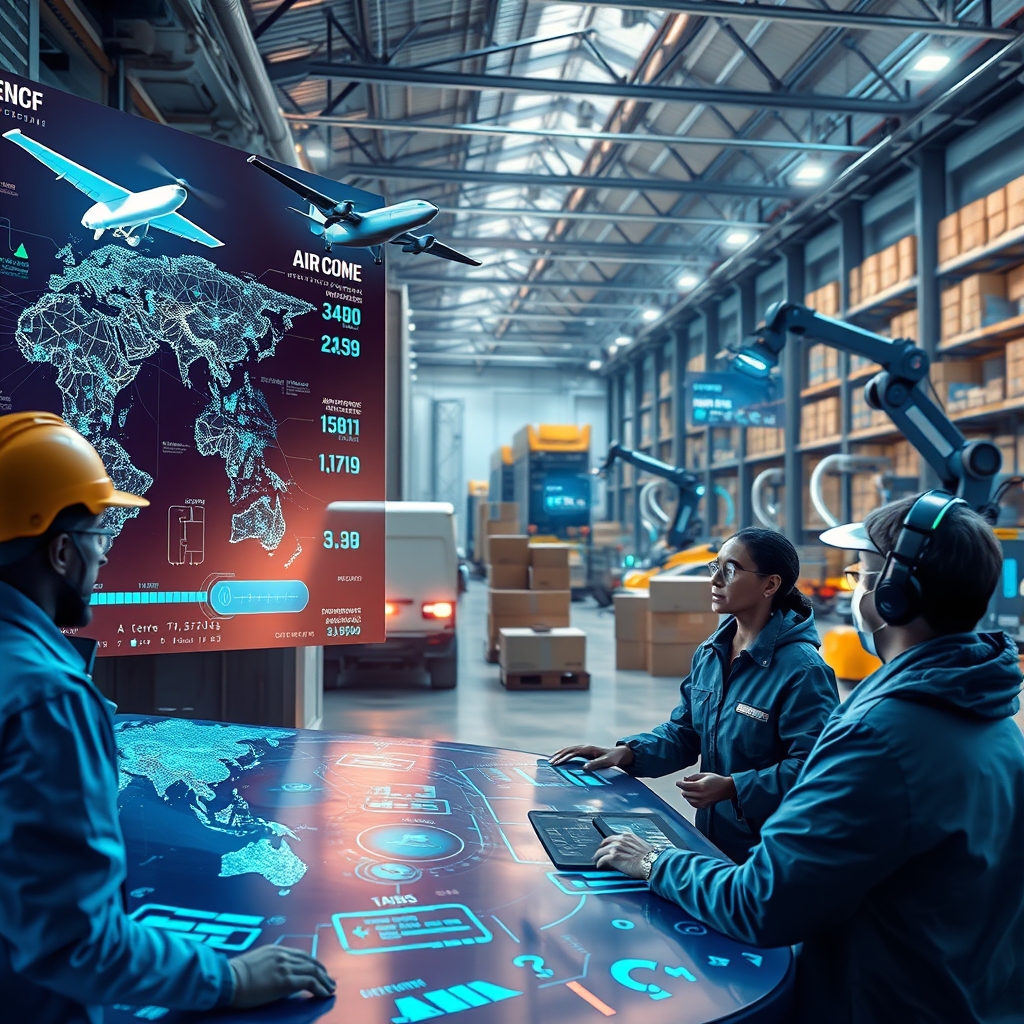
The logistics and supply chain industry has long been the lifeblood of global commerce, ensuring that goods move efficiently from manufacturers to consumers. However, the rapid advancement of technology is now revolutionizing this sector, introducing unprecedented levels of efficiency, transparency, and adaptability. At the heart of this transformation are artificial intelligence (AI) and automation, which are redefining traditional logistics management and supply chain solutions.
The Rise of AI in Logistics Management
Artificial intelligence is no longer a futuristic concept—it’s a present-day reality that’s optimizing every facet of logistics. From predictive analytics that forecast demand to machine learning algorithms that optimize routes, AI is enabling businesses to make data-driven decisions with remarkable precision. For instance, AI-powered tools can analyze historical shipping data, weather patterns, and traffic conditions to determine the most efficient transportation routes, reducing fuel consumption and delivery times.
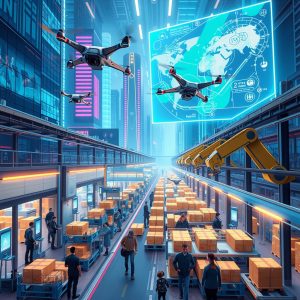
In warehouse management, AI-driven systems are automating inventory tracking, reducing human error, and accelerating order fulfillment. Smart warehouses equipped with AI can dynamically adjust storage layouts based on demand, ensuring that high-turnover products are easily accessible. This not only streamlines operations but also minimizes the risk of stockouts or overstocking, which can be costly for businesses.
Automation in Freight Forwarding and Cargo Shipping
Freight forwarding and cargo shipping have traditionally been labor-intensive processes, reliant on manual documentation and coordination. However, automation is changing the game by digitizing paperwork, automating customs clearance, and enhancing real-time tracking. Digital platforms now allow shippers to book cargo space, track shipments, and manage documentation seamlessly, reducing delays and improving transparency.
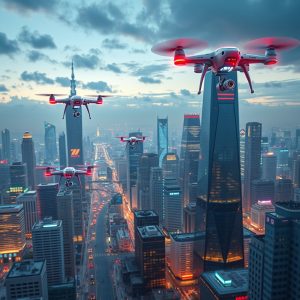
Autonomous vehicles and drones are also making their mark in last-mile delivery, particularly in urban areas where traffic congestion can delay shipments. Companies like Amazon and UPS are already testing drone deliveries for small packages, while autonomous trucks are being piloted for long-haul freight transport. These innovations not only speed up deliveries but also reduce operational costs, making logistics more sustainable in the long run.
Enhancing Trade Compliance with Technology
International trade is governed by a complex web of regulations, and non-compliance can result in costly fines or shipment delays. AI and automation are simplifying trade compliance by automating the classification of goods, verifying documentation, and ensuring adherence to customs regulations. For example, AI-powered software can scan invoices and shipping documents to flag discrepancies, reducing the risk of errors that could lead to customs hold-ups.
Blockchain technology is another game-changer in trade compliance, offering an immutable ledger for tracking shipments and verifying transactions. By providing a transparent and tamper-proof record of every step in the supply chain, blockchain enhances trust between trading partners and regulatory authorities, streamlining the flow of goods across borders.
The Role of Data Analytics in Global Logistics
Data is the new oil in logistics, and companies that harness its power gain a competitive edge. Advanced analytics tools can process vast amounts of data from sensors, GPS trackers, and IoT devices to provide real-time insights into shipment status, warehouse conditions, and fleet performance. This enables logistics managers to proactively address issues such as delays, equipment failures, or inventory shortages before they escalate.
For e-commerce logistics, data analytics is particularly valuable in predicting demand spikes, optimizing delivery routes, and personalizing the customer experience. By analyzing purchasing patterns and seasonal trends, businesses can adjust their distribution networks to meet demand efficiently, reducing lead times and improving customer satisfaction.
The Future of Cold Chain Logistics
Cold chain logistics, which involves the transportation of temperature-sensitive goods like pharmaceuticals and perishable foods, is undergoing its own digital revolution. IoT-enabled sensors now monitor temperature, humidity, and other environmental factors in real time, ensuring that products remain within safe parameters throughout their journey. If a deviation is detected, alerts are sent to logistics teams, allowing them to take corrective action before the goods are compromised.
AI is also playing a role in cold chain logistics by optimizing refrigeration systems in warehouses and transport vehicles. Machine learning algorithms can predict equipment failures before they occur, reducing downtime and preventing spoilage. This not only safeguards product quality but also enhances the sustainability of cold chain operations by minimizing energy waste.
As the logistics industry continues to evolve, businesses that embrace AI and automation will be best positioned to navigate the complexities of global trade. The integration of these technologies is not just about improving efficiency—it’s about building resilient supply chains that can adapt to disruptions, meet customer expectations, and drive long-term growth. The future of logistics is here, and it’s smarter, faster, and more connected than ever before.