The Strategic Imperative of Last Mile Delivery in the Age of Instant Gratification
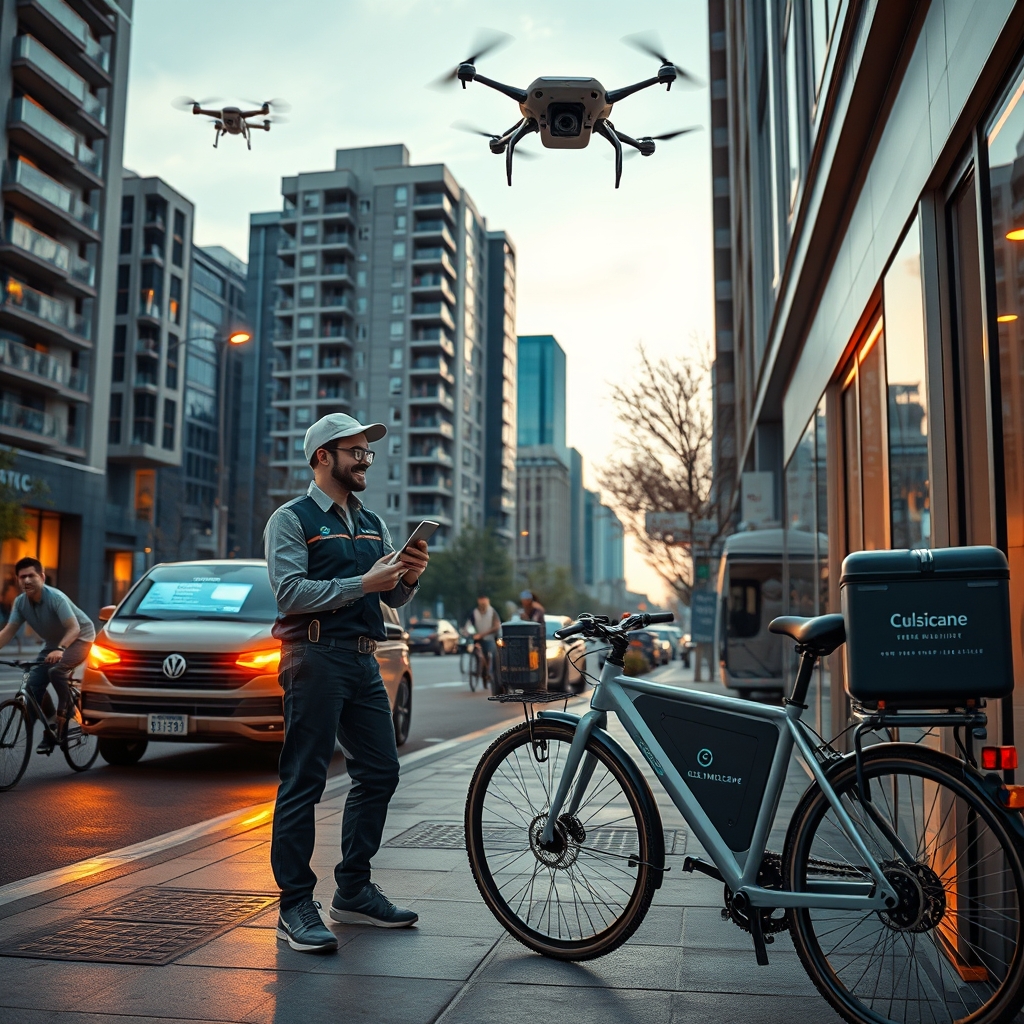
In an era where consumers expect near-instantaneous fulfillment, the final leg of the delivery journey—last mile delivery—has emerged as a critical battleground for businesses across industries. This segment of the supply chain, often the most complex and costly, is where customer satisfaction is either won or lost. As e-commerce continues to dominate retail landscapes, the pressure on logistics providers to optimize last mile delivery has never been greater. The stakes are high: delays, damaged goods, or poor communication can erode brand loyalty in an instant, while seamless execution can turn one-time buyers into lifelong advocates.
The Evolution of Consumer Expectations
The rise of giants like Amazon and Alibaba has fundamentally reshaped consumer behavior. Same-day and next-day delivery, once considered premium services, are now baseline expectations. According to recent studies, over 60% of online shoppers abandon their carts if free shipping isn’t available, and nearly 80% expect real-time tracking updates. This shift has forced logistics companies to rethink their strategies, investing heavily in technology and infrastructure to meet these demands. The challenge lies not only in speed but also in flexibility—offering multiple delivery windows, contactless options, and hassle-free returns has become table stakes in the competitive logistics arena.
The Technology Driving Last Mile Innovation
To tackle the complexities of last mile delivery, companies are turning to cutting-edge technologies that enhance efficiency and transparency. Route optimization software, powered by artificial intelligence, is reducing delivery times by dynamically adjusting paths based on traffic, weather, and other variables. Drones and autonomous vehicles are no longer futuristic concepts but are being tested and deployed in select markets, promising to revolutionize urban and rural deliveries alike. Meanwhile, blockchain technology is improving traceability, ensuring that every package can be tracked from warehouse to doorstep with immutable accuracy.
Mobile applications have also become indispensable tools for both delivery personnel and customers. Drivers equipped with real-time navigation and digital proof-of-delivery systems can complete more stops per day while minimizing errors. On the consumer side, apps provide live updates, estimated arrival times, and even the option to redirect packages mid-transit. These innovations are not just improving operational efficiency—they’re transforming the customer experience, making last mile delivery a key differentiator in the logistics industry.
The Logistics of Sustainability
As environmental concerns take center stage, last mile delivery is also undergoing a green transformation. The traditional model of individual deliveries via fossil-fuel-powered vehicles is increasingly seen as unsustainable, prompting companies to explore eco-friendly alternatives. Electric delivery vans, cargo bikes, and even walking couriers are being deployed in dense urban areas to reduce carbon footprints. Some logistics providers are also consolidating deliveries through micro-fulfillment centers, strategically located to minimize travel distances and maximize efficiency.
Sustainability isn’t just about reducing emissions—it’s also about rethinking packaging. Excessive packaging waste has long been a pain point for consumers, and companies are now adopting biodegradable, reusable, or minimalist packaging solutions. These efforts not only appeal to environmentally conscious customers but also reduce costs associated with materials and waste disposal. The push for sustainability is reshaping last mile logistics, proving that efficiency and eco-friendliness can go hand in hand.
The Human Element in Last Mile Delivery
Despite the rapid advancement of technology, the human element remains irreplaceable in last mile delivery. Delivery personnel are the face of the brand, often the only point of physical interaction between a company and its customers. Their professionalism, reliability, and problem-solving skills can make or break the customer experience. Recognizing this, logistics providers are investing in training programs that equip drivers with the tools to handle a wide range of scenarios, from navigating complex urban environments to managing customer inquiries with empathy and efficiency.
Moreover, the gig economy has introduced a new dynamic to last mile delivery. Platforms like Uber and DoorDash have enabled independent contractors to participate in the logistics ecosystem, offering flexibility for workers and scalability for businesses. However, this model also presents challenges, such as inconsistent service quality and labor rights concerns. Striking the right balance between flexibility and reliability is an ongoing challenge for companies leveraging gig workers in their last mile operations.
The Future of Last Mile Delivery
The next frontier in last mile delivery lies in predictive logistics. By harnessing big data and machine learning, companies can anticipate demand patterns, optimize inventory placement, and pre-position goods closer to end consumers. This proactive approach not only reduces delivery times but also minimizes the risk of stockouts and overstocking. Additionally, the integration of smart city infrastructure—such as IoT-enabled traffic lights and parking sensors—will further streamline urban deliveries, reducing congestion and improving efficiency.
Another exciting development is the rise of crowdsourced delivery models. By tapping into local networks of drivers and even everyday consumers, companies can offer hyper-local delivery options that are faster and more cost-effective than traditional methods. This approach is particularly valuable in rural or underserved areas, where establishing dedicated delivery networks may not be feasible. As these models mature, they have the potential to democratize last mile delivery, making it accessible to businesses of all sizes.
In a world where speed, convenience, and sustainability are no longer optional but expected, last mile delivery has become the linchpin of modern logistics. The companies that succeed in this space will be those that embrace innovation, prioritize the customer experience, and adapt to the ever-evolving demands of the market. As technology continues to advance and consumer expectations rise, the last mile will remain a dynamic and critical component of the global supply chain, shaping the future of commerce in ways we are only beginning to imagine.