The Last Mile Revolution: How Technology and Innovation Are Redefining E-Commerce Logistics
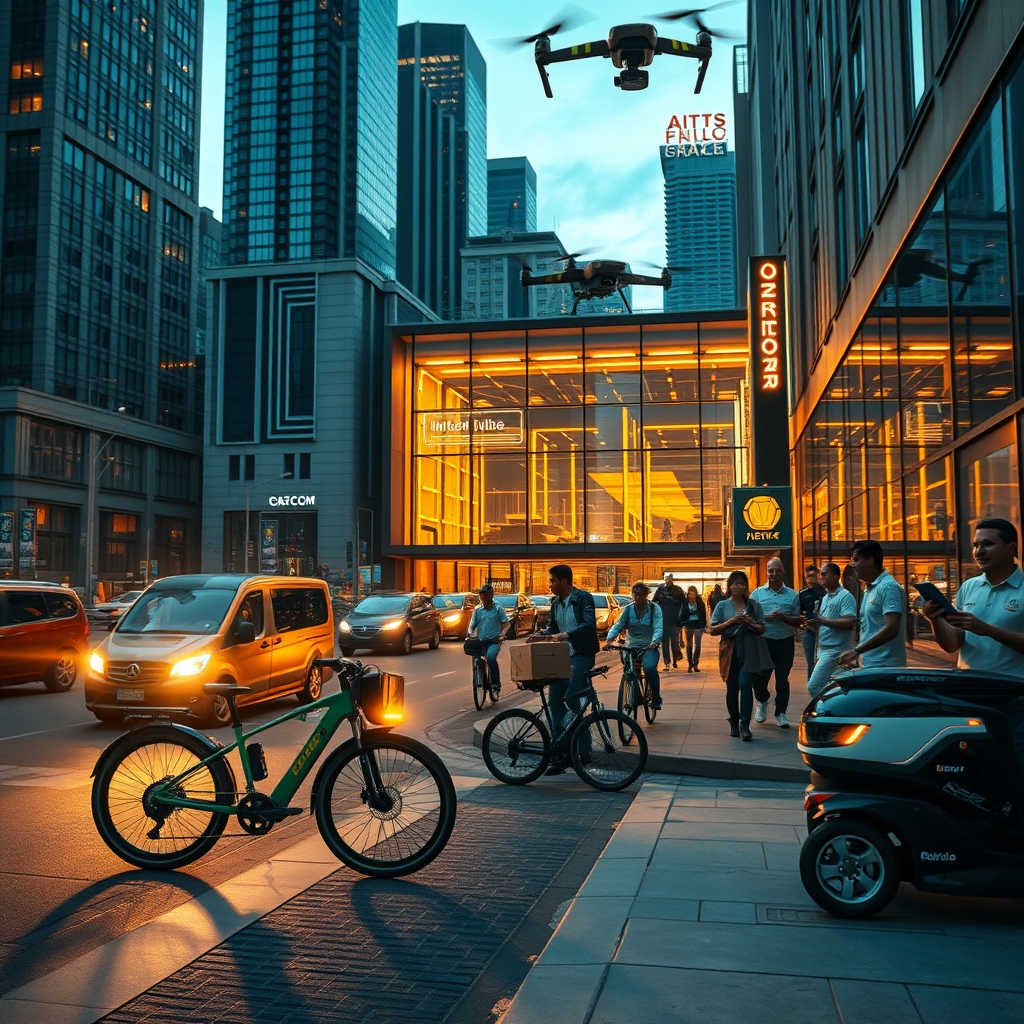
The rise of e-commerce has transformed consumer expectations, placing unprecedented pressure on logistics providers to deliver faster, cheaper, and more reliably than ever before. At the heart of this challenge lies the last mile—the final leg of the delivery journey, where goods move from distribution centers to the customer’s doorstep. Often the most complex and costly part of the supply chain, the last mile has become a battleground for innovation, with companies leveraging technology, data analytics, and creative solutions to turn challenges into opportunities.
The Cost and Complexity of the Last Mile
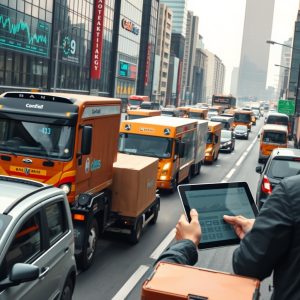
Despite accounting for only a fraction of the total delivery distance, the last mile can represent up to 53% of the total shipping cost. Urban congestion, failed delivery attempts, and the need for speed all contribute to its complexity. In densely populated cities, navigating narrow streets, parking restrictions, and high-rise buildings adds layers of difficulty. Meanwhile, rural deliveries face their own set of challenges, including longer distances, sparse populations, and limited infrastructure. These factors make the last mile not just a logistical hurdle but a critical determinant of customer satisfaction and brand loyalty.
Technology as the Game Changer
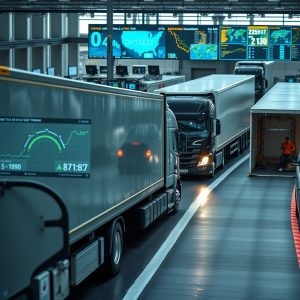
Advancements in technology are reshaping how businesses approach last-mile delivery. Route optimization software, powered by artificial intelligence and machine learning, enables delivery fleets to dynamically adjust routes in real time, reducing fuel consumption and improving efficiency. Companies like Amazon and UPS have pioneered the use of predictive analytics to anticipate delivery windows, allowing customers to track their packages with unprecedented accuracy. Meanwhile, drones and autonomous delivery vehicles are no longer the stuff of science fiction—they are being tested and deployed in select markets, offering a glimpse into the future of ultra-fast, contactless deliveries.
The Rise of Micro-Fulfillment Centers
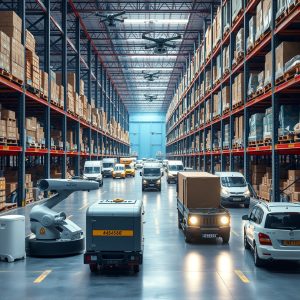
To combat the inefficiencies of traditional distribution models, many retailers are turning to micro-fulfillment centers (MFCs). These smaller, strategically located warehouses bring inventory closer to urban populations, drastically reducing delivery times. By leveraging automation and robotics, MFCs can process orders at lightning speed, ensuring that products are ready for dispatch within hours. This shift not only enhances the customer experience but also reduces the carbon footprint of deliveries by minimizing the distance traveled. Companies like Walmart and Kroger have already embraced this model, setting a new standard for agility in e-commerce logistics.
Sustainability in the Last Mile
As environmental concerns take center stage, sustainability has become a key consideration in last-mile logistics. Electric delivery vehicles, cargo bikes, and even foot couriers are being adopted to reduce emissions in urban areas. Some companies are experimenting with crowd-sourced delivery models, where local residents or gig workers handle the final leg of the journey, further cutting costs and environmental impact. Additionally, packaging innovations—such as reusable containers and biodegradable materials—are helping to minimize waste. These efforts are not just good for the planet; they also resonate with eco-conscious consumers, who increasingly favor brands that prioritize sustainability.
The Human Element: Balancing Automation with Personalization
While technology and automation are driving efficiency, the human element remains irreplaceable in last-mile delivery. Customers value the personal touch—whether it’s a friendly delivery driver, a handwritten note, or the flexibility to reschedule a delivery at the last minute. Companies are finding ways to blend automation with personalization, using chatbots and AI-driven customer service to handle routine inquiries while ensuring that human agents are available for more complex issues. This balance is crucial for building trust and fostering long-term customer relationships.
The Future of Last-Mile Delivery
The last mile is evolving at a rapid pace, fueled by consumer demand and technological innovation. As same-day and even one-hour deliveries become the norm, logistics providers must continue to adapt, exploring new models such as subscription-based delivery services, locker systems, and partnerships with local retailers. The integration of blockchain technology could also enhance transparency and security, allowing customers to track their packages from warehouse to doorstep with complete confidence. With each advancement, the last mile becomes less of a bottleneck and more of a competitive advantage, enabling businesses to differentiate themselves in an increasingly crowded marketplace.
The transformation of last-mile delivery is more than just a logistical evolution—it’s a reflection of how commerce itself is changing. As technology continues to break down barriers, the focus will shift from merely delivering packages to creating seamless, personalized experiences that delight customers. In this new era, the companies that succeed will be those that embrace innovation, prioritize sustainability, and never lose sight of the human connection that makes the last mile truly meaningful. The journey has only just begun, and the possibilities are as limitless as the roads ahead.