The Strategic Dance of Trade Compliance and Freight Forwarding: Navigating the Complexities of Global Logistics
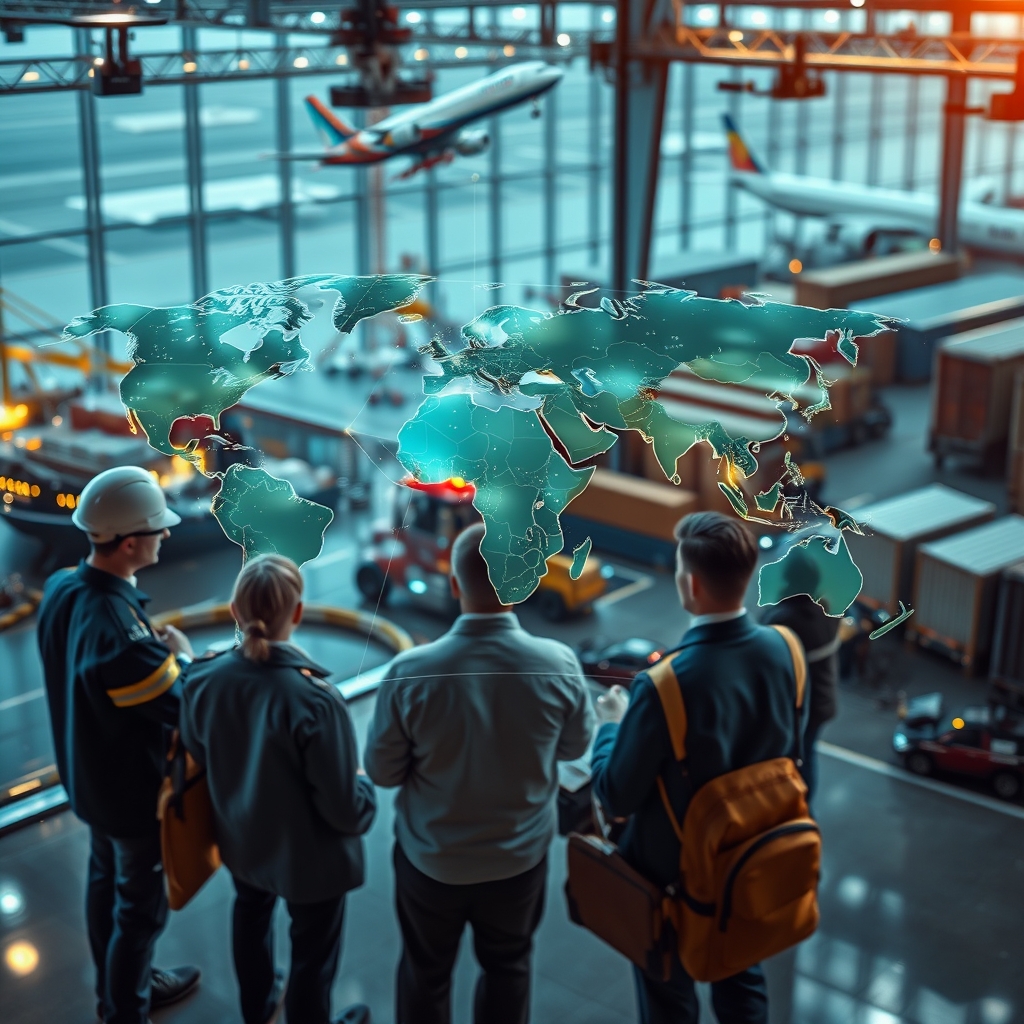
In the intricate web of global trade, two elements stand as the linchpins of seamless operations: trade compliance and freight forwarding. While often viewed as separate domains, their interplay is what truly powers the efficiency and reliability of international logistics. Businesses that master this dynamic can unlock new levels of operational agility, cost savings, and market expansion. Yet, for many, the complexities of navigating customs regulations, documentation, and cross-border logistics remain a daunting challenge.
The Critical Role of Trade Compliance in Global Logistics
Trade compliance is far more than a bureaucratic hurdle—it is the foundation upon which secure and efficient global trade is built. Every shipment that crosses international borders must adhere to a labyrinth of regulations, tariffs, and trade agreements. Non-compliance isn’t just a minor setback; it can result in costly delays, fines, or even the seizure of goods. For businesses engaged in export-import operations, understanding and adhering to these rules is non-negotiable.
One of the most significant challenges in trade compliance is the ever-evolving nature of regulations. Governments frequently update trade policies in response to geopolitical shifts, economic trends, or security concerns. For instance, recent changes in trade agreements between major economies have forced businesses to re-evaluate their supply chain strategies. Staying ahead of these changes requires not only vigilance but also the right technological tools to monitor and adapt to regulatory updates in real time.
The Power of Automation in Trade Compliance
Automation has emerged as a game-changer in trade compliance, reducing the risk of human error and accelerating the clearance process. Advanced software solutions can now automatically classify goods, calculate duties, and generate the necessary documentation, ensuring that shipments meet all regulatory requirements before they even leave the warehouse. This not only minimizes delays but also frees up valuable resources that can be redirected toward strategic growth initiatives.
Moreover, automation enables businesses to maintain a centralized repository of compliance data, making it easier to audit processes and demonstrate adherence to regulations. In an era where transparency is increasingly demanded by both regulators and consumers, this level of traceability is invaluable. Companies that leverage automation in trade compliance are not just avoiding penalties—they are building trust with partners and customers alike.
Freight Forwarding: The Engine of Global Supply Chains
While trade compliance ensures that goods move legally across borders, freight forwarding is what makes the physical movement of those goods possible. Freight forwarders act as intermediaries between shippers and transportation services, coordinating the complex logistics of moving cargo via air, sea, or land. Their expertise lies in optimizing routes, consolidating shipments, and negotiating favorable rates with carriers—all of which contribute to cost efficiency and reliability.
The role of freight forwarders has evolved significantly in recent years. No longer just facilitators of transportation, they now offer end-to-end supply chain solutions, including warehousing, distribution, and even last-mile delivery. This shift reflects the growing demand for integrated logistics services that can adapt to the fast-paced nature of global trade. Businesses that partner with forward-thinking freight forwarders gain access to a network of resources that can scale with their needs, whether they’re expanding into new markets or managing seasonal fluctuations in demand.
Technology as the Catalyst for Smarter Freight Forwarding
The integration of technology into freight forwarding has revolutionized the industry. Digital platforms now enable real-time tracking of shipments, providing businesses with unprecedented visibility into their supply chains. This transparency is crucial for managing risks, such as delays or disruptions, and allows companies to proactively address issues before they escalate.
Artificial intelligence (AI) and machine learning are also playing a growing role in freight forwarding. These technologies can analyze vast amounts of data to predict demand, optimize routes, and even identify potential bottlenecks in the supply chain. For example, AI-driven algorithms can determine the most cost-effective and time-efficient routes for shipments, taking into account factors like fuel costs, weather conditions, and geopolitical risks. This level of optimization was unimaginable just a decade ago, and it’s reshaping the way businesses approach global logistics.
The Synergy Between Trade Compliance and Freight Forwarding
The true power of global logistics lies in the synergy between trade compliance and freight forwarding. When these two functions are aligned, businesses can achieve a level of efficiency that would be impossible if they operated in silos. For instance, a freight forwarder with deep expertise in trade compliance can ensure that shipments are not only transported efficiently but also cleared through customs without delays. This integration reduces the risk of costly disruptions and enhances the overall reliability of the supply chain.
Consider the example of a company exporting perishable goods. Cold chain logistics require not only precise temperature control but also strict adherence to trade regulations governing the import and export of food products. A freight forwarder with expertise in both cold chain logistics and trade compliance can navigate these complexities seamlessly, ensuring that the goods arrive at their destination fresh and in compliance with all relevant regulations. This level of coordination is what sets leading logistics providers apart from the competition.
Building Resilience Through Integrated Logistics
In an era of global uncertainty, resilience has become a key priority for businesses. Supply chain disruptions, whether caused by natural disasters, geopolitical tensions, or pandemics, can have devastating effects on operations. However, companies that invest in integrated logistics solutions—where trade compliance and freight forwarding work in tandem—are better equipped to weather these challenges.
For example, during the COVID-19 pandemic, businesses with strong logistics partnerships were able to pivot quickly, rerouting shipments and adjusting their supply chain strategies to mitigate disruptions. Those that had already integrated trade compliance and freight forwarding into a cohesive strategy were able to adapt more swiftly, minimizing downtime and maintaining customer satisfaction. This resilience is not just about surviving disruptions—it’s about thriving in the face of them.
The world of global logistics is a complex and ever-changing landscape, where the interplay between trade compliance and freight forwarding determines the success of international trade. Businesses that recognize the strategic value of these functions and invest in the right technologies and partnerships are the ones that will lead the way in the future of commerce. By embracing automation, leveraging data-driven insights, and fostering collaboration between compliance and logistics teams, companies can turn the challenges of global trade into opportunities for growth and innovation. The key lies in seeing these elements not as separate tasks, but as integral parts of a unified strategy that powers the seamless movement of goods across borders.