The Future of Global Trade: How Integrated Supply Chain Solutions Are Redefining International Logistics

In an era where global trade moves at the speed of digital transactions, businesses are increasingly reliant on seamless logistics management to stay competitive. The complexities of international trade—spanning freight forwarding, customs clearance, and multi-modal transportation—demand more than just traditional solutions. Today, integrated supply chain solutions are emerging as the cornerstone of efficiency, enabling companies to navigate the intricacies of export-import operations with precision and agility.
The Evolution of Supply Chain Solutions
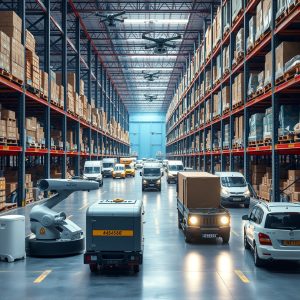
Gone are the days when logistics was merely about moving goods from point A to point B. Modern supply chain solutions encompass a holistic approach, integrating technology, data analytics, and real-time tracking to optimize every stage of the journey. From warehouse management to last-mile delivery, businesses are leveraging advanced software and automation to reduce delays, minimize costs, and enhance transparency. This evolution is particularly critical in sectors like e-commerce logistics, where consumer expectations for speed and reliability continue to rise.
The Role of Freight Forwarding in Global Trade
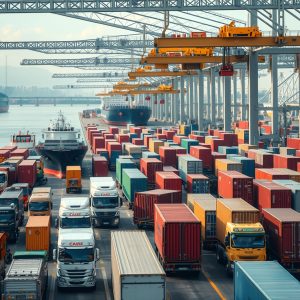
Freight forwarding remains a linchpin in international trade, acting as the intermediary that ensures goods traverse borders smoothly. A skilled freight forwarder doesn’t just arrange transportation; they navigate the labyrinth of trade compliance, customs regulations, and documentation requirements that vary from country to country. By partnering with experienced freight forwarders, businesses can mitigate risks, avoid costly delays, and ensure their shipments comply with local and international laws. This is especially vital for industries like maritime transport and air cargo services, where regulatory hurdles can make or break a shipment’s success.
Customs Clearance: The Gateway to Seamless Trade
One of the most challenging aspects of international logistics is customs clearance. Delays at this stage can cascade into supply chain disruptions, leading to lost revenue and dissatisfied customers. Modern trade compliance tools, powered by artificial intelligence and machine learning, are transforming how businesses approach customs procedures. These technologies can predict potential bottlenecks, automate documentation, and even flag compliance issues before they arise. For companies engaged in export-import business, investing in such tools is no longer optional—it’s a necessity for maintaining a competitive edge.
The Rise of Third-Party Logistics (3PL) Providers
As businesses expand their global footprint, many are turning to third-party logistics (3PL) providers to streamline their operations. 3PLs offer a range of services, from warehousing and distribution to transportation management, allowing companies to focus on their core competencies. By outsourcing logistics functions, businesses can scale more efficiently, reduce overhead costs, and tap into the expertise of specialists who understand the nuances of global logistics. This trend is particularly pronounced in e-commerce, where 3PLs play a critical role in managing inventory, fulfilling orders, and ensuring timely last-mile delivery.
Cold Chain Logistics: Preserving Quality Across Borders
For industries dealing with perishable goods, such as pharmaceuticals, food, and beverages, cold chain logistics is a non-negotiable component of the supply chain. Maintaining the integrity of temperature-sensitive products during transit requires specialized infrastructure, from refrigerated containers to climate-controlled warehouses. Advances in IoT (Internet of Things) technology have further enhanced cold chain logistics by enabling real-time monitoring of temperature, humidity, and other critical factors. This ensures that products arrive at their destination in optimal condition, reducing waste and safeguarding brand reputation.
The Impact of Technology on Fleet Management
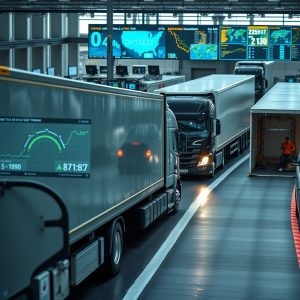
Efficient fleet management is another critical factor in modern logistics. With the rise of telematics and GPS tracking, businesses can now monitor their vehicles in real time, optimize routes, and reduce fuel consumption. Predictive maintenance tools help prevent breakdowns before they occur, minimizing downtime and extending the lifespan of fleet assets. For companies reliant on land transportation, these innovations translate into cost savings, improved delivery times, and a reduced environmental footprint.
Building a Resilient Distribution Network
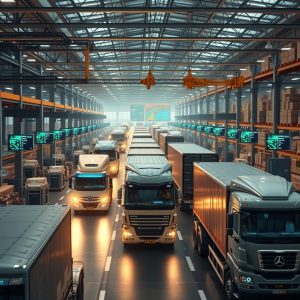
A well-optimized distribution network is the backbone of any successful logistics strategy. Businesses must balance speed, cost, and reliability when designing their networks, ensuring that goods can be moved efficiently from warehouses to end consumers. This involves strategic placement of distribution centers, leveraging multi-modal transportation options, and employing data-driven insights to anticipate demand. In an era of supply chain disruptions—whether due to geopolitical tensions, natural disasters, or pandemics—a resilient distribution network can mean the difference between thriving and merely surviving.
As global trade continues to evolve, so too must the strategies businesses employ to manage their logistics. The integration of technology, the expertise of freight forwarders, and the efficiency of third-party logistics providers are no longer just advantages—they are essential components of a modern supply chain. Companies that embrace these innovations will not only navigate the complexities of international trade with greater ease but also position themselves as leaders in an increasingly interconnected world. The future of logistics is here, and it is defined by agility, intelligence, and seamless collaboration across every link in the chain.