The Strategic Pulse of Last Mile Delivery: Innovations Shaping the Future of E-Commerce Logistics
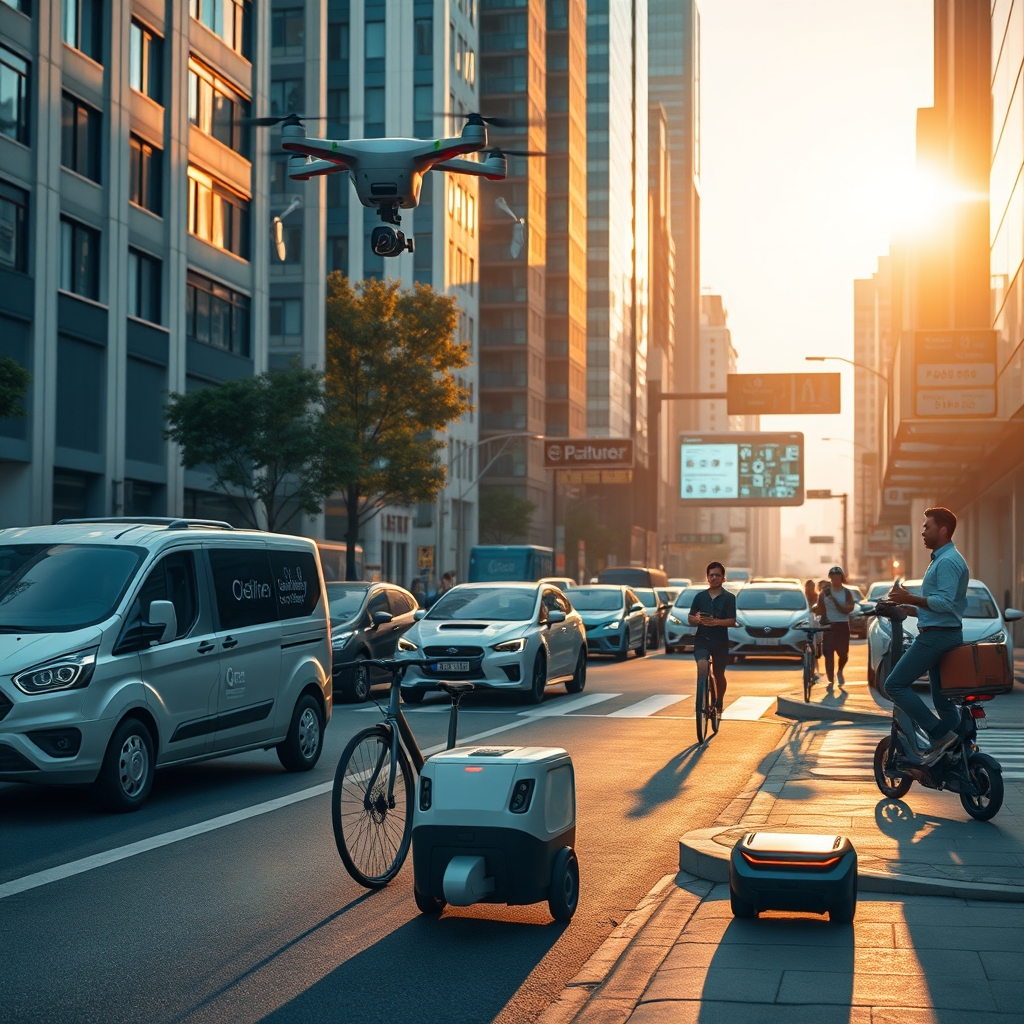
The rapid evolution of e-commerce has transformed consumer expectations, placing unprecedented pressure on logistics providers to deliver faster, cheaper, and more reliably than ever before. At the heart of this transformation lies last mile delivery—the final, critical leg of the supply chain that bridges the gap between distribution centers and the customer’s doorstep. As urbanization accelerates and digital shopping becomes the norm, mastering last mile logistics is no longer a competitive advantage but a necessity for businesses aiming to thrive in the global marketplace.
The Rising Demand for Speed and Convenience
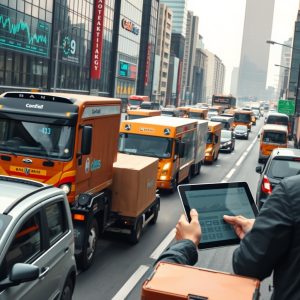
Today’s consumers expect near-instant gratification, with same-day or even two-hour delivery windows becoming the standard in many urban markets. This shift has forced logistics companies to rethink traditional delivery models, which were designed for bulk shipments rather than the fragmented, high-frequency demands of e-commerce. The challenge is compounded by the sheer volume of small parcels, each requiring individual handling, tracking, and delivery—often to densely populated areas where traffic congestion and limited parking add layers of complexity.
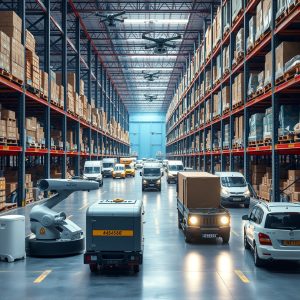
To meet these demands, companies are investing in micro-fulfillment centers strategically located in urban hubs. These smaller, decentralized warehouses reduce transit times by bringing inventory closer to the end consumer. Coupled with advanced route optimization software, which leverages real-time data to adjust delivery paths dynamically, businesses can minimize delays and maximize efficiency. The result? Faster deliveries, lower costs, and a significant reduction in carbon emissions—a win for both the company and the environment.
Technology as the Great Enabler
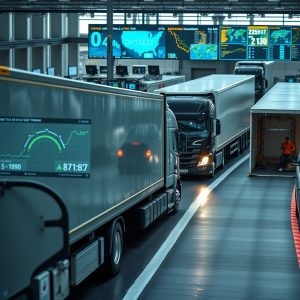
The last mile is where technology intersects with logistics in the most visible—and impactful—ways. Artificial intelligence (AI) and machine learning (ML) are now integral to predicting demand patterns, optimizing delivery routes, and even anticipating potential disruptions before they occur. For instance, AI-driven predictive analytics can forecast delivery bottlenecks, such as traffic jams or weather-related delays, allowing logistics teams to reroute drivers proactively.
Autonomous delivery vehicles and drones are also making headlines as the next frontier in last mile innovation. While still in the early stages of adoption, these technologies promise to revolutionize urban deliveries by reducing reliance on human drivers and cutting operational costs. Companies like Amazon and FedEx are already testing drone deliveries in select markets, while autonomous ground vehicles are being piloted for short-distance urban routes. Though regulatory hurdles remain, the potential for scalability is immense, particularly in areas where labor shortages or high delivery volumes pose persistent challenges.
The Role of Crowdsourced and Gig Economy Models
Another trend reshaping last mile delivery is the rise of crowdsourced logistics, where independent contractors or gig workers handle deliveries on behalf of retailers or logistics providers. Platforms like Uber Eats, DoorDash, and even Amazon Flex have demonstrated the viability of this model, offering flexibility for workers and scalability for businesses. During peak seasons, such as the holiday rush, crowdsourced delivery networks can quickly expand capacity without the need for long-term hiring commitments.
However, this model is not without its challenges. Quality control, consistency in service, and worker reliability can vary, making it essential for companies to implement robust tracking and performance metrics. Despite these hurdles, the gig economy’s role in last mile delivery is likely to grow, particularly as consumers continue to prioritize speed and convenience over traditional delivery methods.
Sustainability: The Silent Revolution in Last Mile Logistics
As environmental concerns take center stage, sustainability has become a key consideration in last mile delivery strategies. The carbon footprint of traditional delivery vehicles, particularly in urban areas, is a growing concern for both consumers and regulators. In response, logistics providers are exploring eco-friendly alternatives, such as electric vehicles (EVs), cargo bikes, and even walking couriers for ultra-local deliveries.
Electric delivery vans are gaining traction in cities worldwide, with companies like DHL and UPS leading the charge. These vehicles not only reduce emissions but also lower fuel and maintenance costs over time. Meanwhile, cargo bikes are proving to be a game-changer in dense urban environments, where they can navigate traffic more efficiently than traditional vans and eliminate the need for parking altogether. For businesses, these sustainable solutions are not just about corporate responsibility—they’re also about future-proofing operations in an era of increasing regulatory scrutiny and consumer demand for greener practices.
The Human Element: Balancing Automation with Customer Experience
While technology and automation are driving efficiency in last mile delivery, the human element remains irreplaceable. The final interaction between a delivery driver and a customer can make or break the entire shopping experience. A friendly, professional delivery person can turn a routine transaction into a memorable moment, fostering brand loyalty and repeat business. Conversely, a negative experience—such as a missed delivery or a damaged package—can erode trust and drive customers to competitors.
To mitigate these risks, companies are investing in training programs that emphasize customer service skills alongside operational efficiency. Some are even empowering drivers with mobile apps that provide real-time customer feedback, allowing them to address issues on the spot. Additionally, flexible delivery options, such as scheduled time slots or secure locker pickups, are becoming increasingly popular, giving customers greater control over their delivery experience.
The future of last mile delivery is being written today, shaped by the relentless pace of technological innovation and the evolving expectations of consumers. As e-commerce continues to grow, logistics providers must navigate a landscape where speed, sustainability, and customer experience are no longer optional but essential. Those who embrace these changes—whether through AI-driven optimization, sustainable delivery methods, or gig economy models—will not only survive but thrive in the competitive world of global trade. The last mile is no longer just a logistical challenge; it’s a strategic opportunity to redefine the very essence of customer satisfaction in the digital age.