Beyond the Last Mile: How Adaptive Logistics is Shaping the Future of Delivery
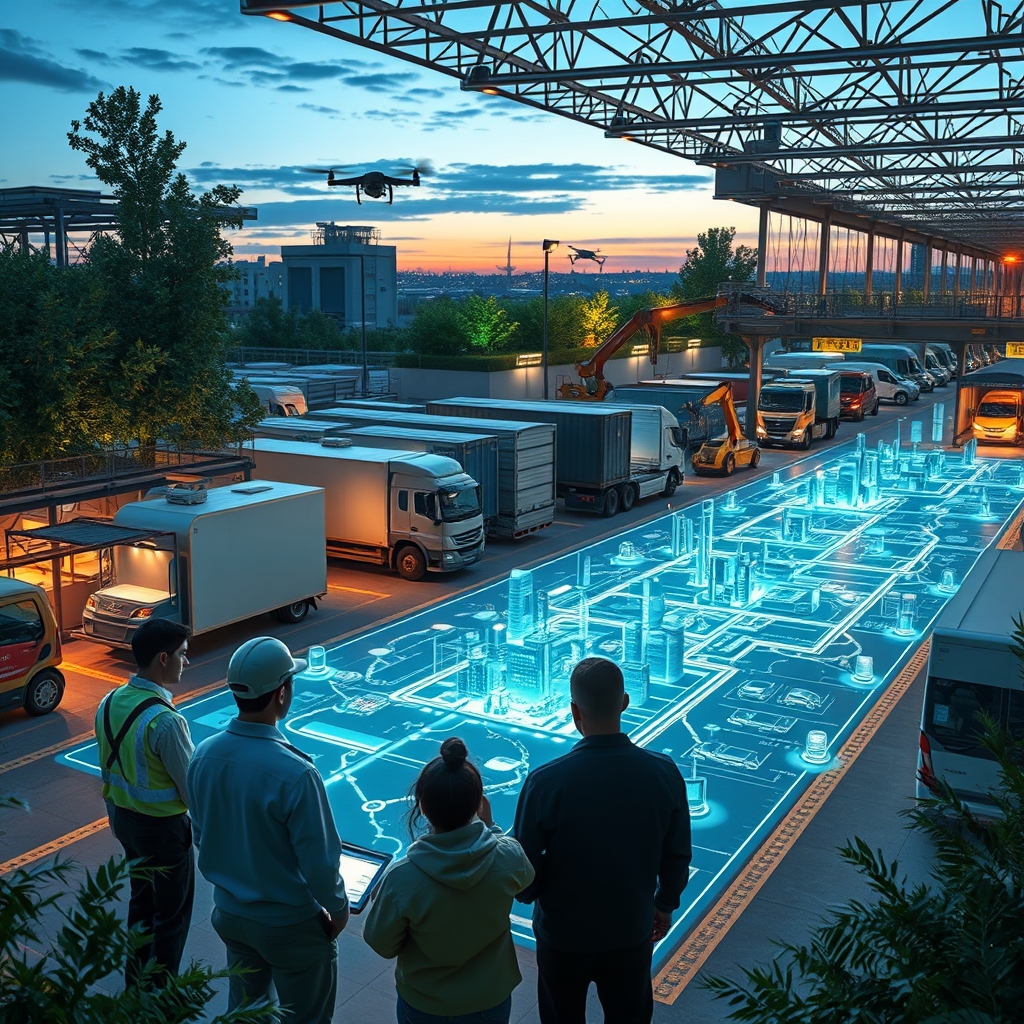
The logistics industry is undergoing a profound transformation, driven by technological innovation and evolving customer expectations. No longer is it sufficient to simply move goods from point A to point B. Today’s supply chains demand agility, transparency, and sustainability—qualities that are redefining what it means to deliver excellence. At the heart of this evolution lies adaptive logistics, a dynamic approach that leverages real-time data, intelligent automation, and customer-centric strategies to create a seamless, responsive, and efficient delivery ecosystem.
The Rise of Intelligent Route Planning
Gone are the days when route planning relied solely on static maps and historical data. Modern logistics operations harness the power of artificial intelligence and machine learning to optimize routes in real time. By analyzing traffic patterns, weather conditions, fuel efficiency, and even driver behavior, intelligent route planning systems can dynamically adjust paths to minimize delays and reduce operational costs. This not only enhances delivery speed but also contributes to more sustainable transport networks by cutting down on unnecessary fuel consumption and emissions.
For businesses, the benefits extend beyond cost savings. Faster, more reliable deliveries translate into higher customer satisfaction, fostering loyalty in an increasingly competitive market. Meanwhile, drivers benefit from reduced stress and improved working conditions, as they spend less time navigating congested or inefficient routes. The result is a win-win scenario where efficiency and experience go hand in hand.
Predictive Freight Tracking: Visibility That Anticipates, Not Just Reports
Real-time transit visibility has become a cornerstone of modern logistics, but the next frontier lies in predictive freight tracking. By integrating IoT sensors, GPS data, and advanced analytics, logistics providers can now forecast potential disruptions before they occur. Whether it’s a delayed shipment due to port congestion, a weather-related slowdown, or an unexpected demand surge, predictive tracking allows businesses to proactively mitigate risks and communicate transparently with customers.
This level of foresight is particularly valuable in industries where timing is critical, such as pharmaceuticals, perishable goods, or just-in-time manufacturing. When stakeholders have access to accurate, forward-looking insights, they can make informed decisions that keep supply chains running smoothly. Moreover, predictive tracking enhances trust between logistics providers and their clients, as it demonstrates a commitment to reliability and accountability.
Sustainable Delivery Networks: Balancing Speed and Responsibility
The push for sustainability is reshaping logistics strategies worldwide. Consumers and regulators alike are demanding greener practices, prompting companies to rethink how they move goods. Sustainable delivery networks prioritize low-emission vehicles, optimized load consolidation, and alternative fuels to minimize their environmental footprint. Additionally, hyper-local transport solutions—such as micro-fulfillment centers and urban consolidation hubs—reduce the distance goods travel, further cutting emissions and congestion in densely populated areas.
But sustainability isn’t just about reducing carbon footprints; it’s also about building resilient supply chains. By diversifying transport modes, leveraging renewable energy sources, and adopting circular economy principles, logistics providers can future-proof their operations against climate-related disruptions. This dual focus on environmental stewardship and operational robustness positions businesses as leaders in a rapidly changing world.
Customer-Focused Distribution: Personalization at Every Touchpoint
In an era where personalization is king, logistics is no exception. Customers now expect delivery experiences tailored to their preferences, whether that means flexible time slots, real-time updates, or seamless returns. Personalized delivery scheduling, powered by AI-driven algorithms, allows businesses to offer a range of options that align with individual needs. For instance, a customer might prioritize speed over cost, while another may prefer an eco-friendly delivery method, even if it takes slightly longer.
Beyond scheduling, enhanced handling transparency ensures that customers are kept in the loop at every stage of the delivery process. Automated notifications, interactive tracking portals, and even augmented reality-powered delivery previews create a sense of control and engagement. This level of transparency not only reduces anxiety around deliveries but also fosters a deeper connection between brands and their customers.
Automated Shipment Fulfillment: Efficiency Without Compromise
Automation is revolutionizing shipment fulfillment, from warehouses to last-mile delivery. Robotics, autonomous vehicles, and AI-powered sorting systems streamline operations, reducing human error and accelerating order processing. In warehouses, automated guided vehicles (AGVs) and robotic arms handle repetitive tasks with precision, freeing up human workers to focus on more complex, value-added activities. Meanwhile, drones and self-driving delivery vehicles are beginning to make their mark in last-mile logistics, particularly in hard-to-reach or high-demand areas.
The key to successful automation lies in integration. When automated systems seamlessly connect with existing logistics platforms—such as inventory management, order processing, and customer communication—the result is a frictionless workflow that enhances efficiency without sacrificing quality. For businesses, this means faster turnaround times, lower operational costs, and the ability to scale rapidly in response to demand fluctuations.
Collaborative Freight Networks: Strength in Shared Resources
The logistics industry is increasingly recognizing the power of collaboration. Collaborative freight networks bring together multiple stakeholders—shippers, carriers, and third-party logistics providers—to share resources, optimize capacity, and reduce inefficiencies. By pooling shipments, consolidating routes, and leveraging shared infrastructure, these networks minimize empty miles, lower costs, and improve overall sustainability.
For small and medium-sized businesses, collaborative networks level the playing field, providing access to resources and expertise that would otherwise be out of reach. Meanwhile, larger enterprises benefit from increased flexibility and reduced risk, as they can tap into a broader range of transport options. The result is a more resilient, adaptive logistics ecosystem that thrives on cooperation rather than competition.
As logistics continues to evolve, the focus will remain on creating experiences that are not just efficient, but also intelligent, sustainable, and deeply attuned to customer needs. The tools and technologies driving this transformation are already here, and their potential is only beginning to be realized. The challenge—and the opportunity—lies in harnessing these innovations to build supply chains that are not only faster and more reliable but also more responsive to the demands of a changing world. The future of logistics isn’t just about moving goods; it’s about moving forward, together.