
The Strategic Edge of E-Commerce Logistics: How Innovations in Last Mile Delivery and Warehouse Management Are Redefining Global Trade
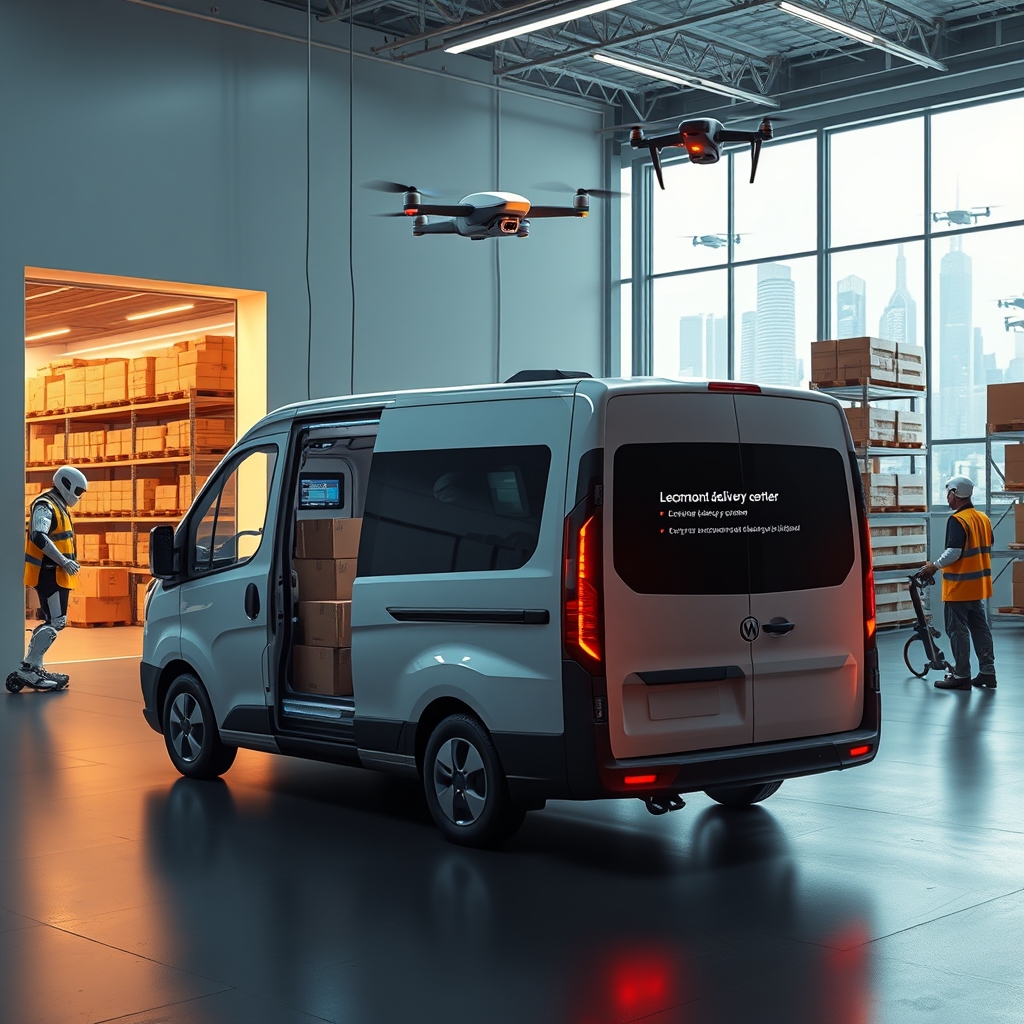
The rapid expansion of e-commerce has transformed the global trade landscape, placing unprecedented demands on logistics networks. As consumers increasingly expect faster deliveries, seamless returns, and real-time tracking, businesses must adapt their supply chain strategies to stay competitive. At the heart of this evolution lies the synergy between last mile delivery and warehouse management—two critical components that determine efficiency, cost-effectiveness, and customer satisfaction in the digital age.
The Last Mile Challenge: Speed, Precision, and Customer Expectations
The last mile of delivery is often the most complex and costly segment of the supply chain. Unlike bulk shipments between warehouses or distribution centers, last mile logistics involves navigating urban congestion, rural accessibility, and individual customer preferences. Innovations such as route optimization algorithms, drone deliveries, and autonomous vehicles are reshaping this space, enabling businesses to meet the demand for same-day or even two-hour delivery windows.
Companies like Amazon and Alibaba have set new benchmarks by leveraging micro-fulfillment centers—small, strategically located warehouses that reduce transit times. Meanwhile, crowdsourced delivery models, where independent contractors handle local deliveries, offer flexibility and scalability during peak demand periods. These advancements not only enhance speed but also reduce carbon footprints by minimizing unnecessary mileage and optimizing load capacities.
The Role of Data Analytics in Last Mile Efficiency
Data-driven decision-making is a game-changer in last mile logistics. Predictive analytics help businesses anticipate demand spikes, while real-time tracking provides transparency for both retailers and consumers. Machine learning algorithms analyze historical delivery patterns to optimize routes, reducing fuel consumption and improving delivery success rates. Additionally, AI-powered chatbots and automated notifications keep customers informed, fostering trust and reducing the volume of support inquiries.
Warehouse Management: The Backbone of E-Commerce Fulfillment
While last mile delivery captures much of the attention, the efficiency of upstream processes—particularly warehouse management—determines the overall success of e-commerce logistics. Modern warehouses are no longer static storage facilities; they are dynamic hubs where automation, robotics, and smart inventory systems converge to accelerate order processing.
Automated storage and retrieval systems (AS/RS) use robotic cranes and conveyors to move goods with precision, reducing human error and increasing throughput. Meanwhile, warehouse management systems (WMS) integrate with enterprise resource planning (ERP) software to provide end-to-end visibility, from inventory receipt to final dispatch. This seamless flow of information ensures that stock levels are accurate, orders are fulfilled promptly, and returns are processed efficiently.
The Rise of Smart Warehousing
Smart warehouses leverage IoT (Internet of Things) devices to monitor environmental conditions, such as temperature and humidity, which is particularly crucial for cold chain logistics. Sensors track the movement of goods in real time, alerting managers to potential bottlenecks or delays. Additionally, augmented reality (AR) tools assist workers in picking and packing, reducing training time and improving accuracy. These technologies not only enhance operational efficiency but also enable businesses to scale rapidly during seasonal demand surges.
Integrating Last Mile and Warehouse Innovations for Seamless Logistics
The true strategic advantage lies in the integration of last mile delivery and warehouse management. When these two components operate in harmony, businesses can achieve a level of agility that was previously unattainable. For example, dynamic slotting—where inventory is strategically placed based on demand forecasts—ensures that high-turnover items are easily accessible, reducing picking time and speeding up order fulfillment.
Moreover, the adoption of cloud-based logistics platforms allows for seamless communication between warehouses, transportation providers, and last mile delivery partners. This interconnected ecosystem enables businesses to respond swiftly to disruptions, such as weather delays or supply chain shortages, by rerouting shipments or adjusting inventory levels in real time. The result is a resilient supply chain that can adapt to the ever-changing demands of global trade.
The Future of E-Commerce Logistics: Sustainability and Personalization
As e-commerce continues to grow, sustainability and personalization are emerging as key differentiators. Consumers are increasingly conscious of the environmental impact of their purchases, prompting businesses to adopt eco-friendly packaging, electric delivery vehicles, and carbon-neutral shipping options. Meanwhile, personalization—such as tailored delivery time slots or flexible return policies—enhances the customer experience, fostering loyalty and repeat business.
The logistics industry stands at a crossroads, where innovation and adaptability will determine long-term success. By embracing the latest advancements in last mile delivery and warehouse management, businesses can not only meet the demands of today’s consumers but also future-proof their operations for the challenges of tomorrow. The companies that thrive will be those that recognize logistics not as a cost center, but as a strategic asset capable of driving growth, efficiency, and customer satisfaction in an increasingly competitive global marketplace.