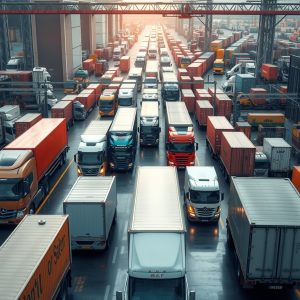
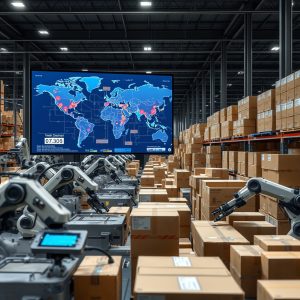
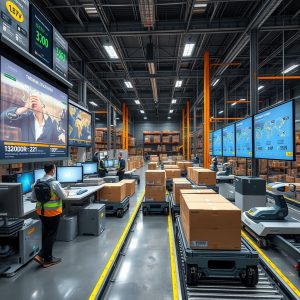
The Strategic Role of Last Mile Delivery in Enhancing Customer Experience and Supply Chain Efficiency
In the fast-paced world of global commerce, the final leg of the delivery journey—last mile delivery—has emerged as a critical battleground for businesses aiming to differentiate themselves in a crowded marketplace. This segment of the logistics chain, though often the shortest in distance, is disproportionately complex and costly, accounting for up to 53% of total shipping expenses. Yet, it also presents an unparalleled opportunity to elevate customer satisfaction, build brand loyalty, and drive repeat business. As e-commerce continues to surge, with global sales projected to reach $6.3 trillion by 2024, the pressure on logistics providers to perfect last mile delivery has never been greater.
The Evolution of Last Mile Delivery
Last mile delivery has undergone a dramatic transformation over the past decade, evolving from a logistical afterthought to a strategic priority. Traditionally, this phase was characterized by inefficiencies: delayed deliveries, lack of transparency, and limited flexibility for customers. However, the rise of e-commerce giants like Amazon and Alibaba has set new benchmarks for speed and convenience, forcing the entire industry to rethink its approach. Today, last mile delivery is no longer just about transporting goods from a distribution center to a customer’s doorstep; it’s about creating a seamless, personalized experience that meets the demands of an increasingly impatient consumer base.
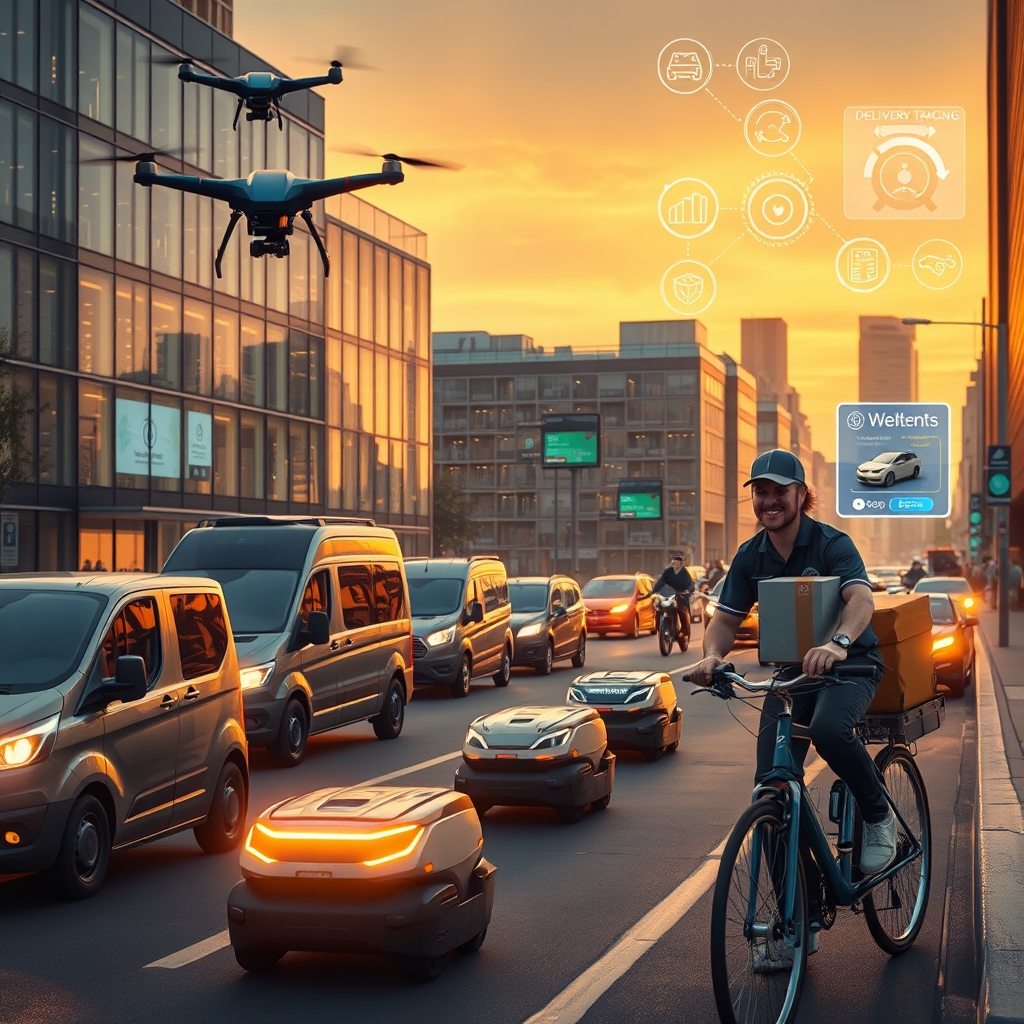
Innovations such as same-day delivery, real-time tracking, and flexible delivery windows have become standard expectations. Companies are leveraging advanced technologies like AI-driven route optimization, autonomous delivery vehicles, and drone deliveries to streamline operations and reduce costs. For instance, AI-powered algorithms analyze traffic patterns, weather conditions, and historical data to determine the most efficient delivery routes, cutting fuel consumption and delivery times. Meanwhile, autonomous delivery robots and drones are being tested in urban areas to navigate congested streets and reduce human labor costs. These advancements are not just improving efficiency—they’re redefining what’s possible in last mile logistics.
The Customer-Centric Imperative
At its core, last mile delivery is about more than just moving goods; it’s about delivering an experience. In an era where customer expectations are higher than ever, the ability to provide fast, reliable, and transparent delivery services can make or break a brand’s reputation. A study by PwC found that 73% of consumers point to customer experience as a key factor in their purchasing decisions, and last mile delivery plays a pivotal role in shaping that experience. Delays, damaged goods, or lack of communication can lead to frustration, negative reviews, and lost business.
To address these challenges, companies are adopting a customer-centric approach to last mile delivery. This includes offering multiple delivery options, such as in-store pickup, locker deliveries, and scheduled time slots, to accommodate diverse customer preferences. Real-time tracking and proactive communication—such as SMS or email notifications—keep customers informed every step of the way, reducing anxiety and building trust. Additionally, businesses are investing in flexible return policies and hassle-free return processes, recognizing that a smooth reverse logistics experience is just as important as the initial delivery.
The Role of Data and Analytics
Data is the lifeblood of modern last mile delivery. By harnessing the power of big data and analytics, logistics providers can gain valuable insights into customer behavior, delivery patterns, and operational inefficiencies. For example, predictive analytics can forecast demand spikes during peak seasons, allowing companies to allocate resources more effectively and avoid bottlenecks. Similarly, machine learning algorithms can identify trends in delivery failures, such as recurring issues in specific geographic areas, enabling proactive measures to address them.
Moreover, data-driven decision-making extends to dynamic pricing models, where delivery fees are adjusted based on factors like distance, demand, and service level. This not only optimizes revenue but also ensures that customers receive fair and transparent pricing. By leveraging data, businesses can create a more agile and responsive last mile delivery system that adapts to real-time conditions and customer needs.
Sustainability and the Last Mile
As environmental concerns take center stage, sustainability has become a key consideration in last mile delivery. The transportation sector is a significant contributor to carbon emissions, and last mile delivery—with its reliance on fossil fuel-powered vehicles—is no exception. To mitigate their environmental impact, companies are exploring eco-friendly alternatives, such as electric vehicles (EVs), cargo bikes, and even walking couriers for short distances. For instance, Amazon has committed to deploying 100,000 electric delivery vans by 2030, while companies like UPS and FedEx are integrating EVs into their fleets to reduce their carbon footprint.
Beyond vehicle electrification, businesses are also adopting sustainable packaging solutions, such as biodegradable materials and reusable containers, to minimize waste. Consolidating deliveries—where multiple orders are grouped into a single trip—further reduces emissions and lowers costs. These initiatives not only align with corporate sustainability goals but also resonate with environmentally conscious consumers, who are increasingly prioritizing brands that demonstrate a commitment to the planet.
The Future of Last Mile Delivery
The future of last mile delivery is poised to be shaped by continued technological innovation and shifting consumer expectations. Emerging trends like crowdsourced delivery, where gig economy workers handle last mile deliveries, are gaining traction as a cost-effective and flexible solution. Meanwhile, advancements in artificial intelligence and the Internet of Things (IoT) are enabling smarter, more connected delivery networks. For example, IoT-enabled sensors can monitor the condition of perishable goods during transit, ensuring they arrive fresh and intact, while AI-powered chatbots can handle customer inquiries and resolve issues in real time.
As urbanization accelerates, cities are also becoming testing grounds for innovative last mile solutions. Micro-fulfillment centers—small, localized warehouses strategically placed in urban areas—are reducing delivery times by bringing inventory closer to customers. Similarly, smart lockers and pickup points are providing convenient alternatives to home delivery, reducing failed delivery attempts and improving efficiency. These developments are not just transforming last mile delivery; they’re reimagining the entire supply chain ecosystem.
The last mile may be the final step in the logistics journey, but it is often the most memorable for customers. In an age where convenience, speed, and sustainability are paramount, businesses that prioritize last mile delivery as a strategic imperative will not only enhance their operational efficiency but also forge stronger connections with their customers. As technology continues to evolve and consumer expectations rise, the companies that embrace innovation and adaptability will lead the charge in shaping the future of global commerce, one delivery at a time.