Navigating the Complexities of Global Trade: The Critical Role of Customs Clearance in Modern Logistics
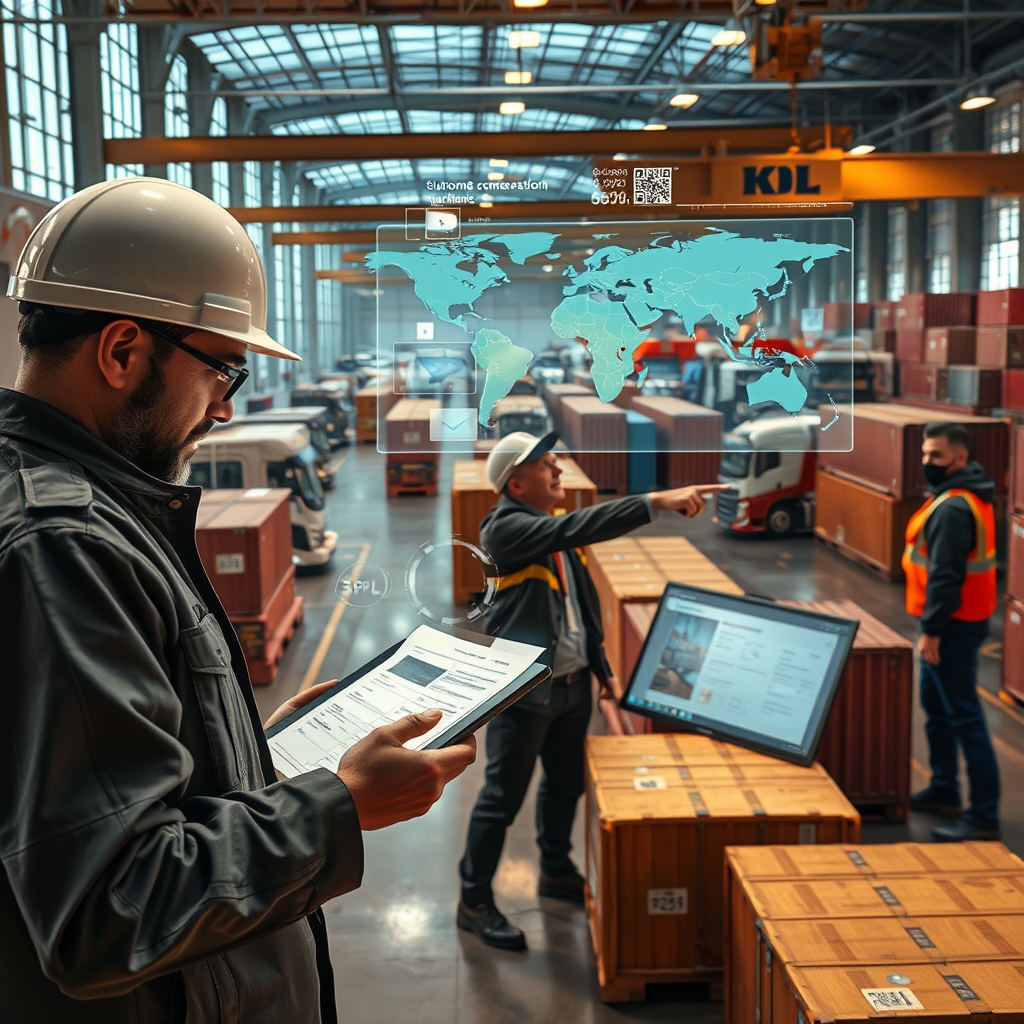
In the intricate web of global trade, where goods traverse continents and oceans, the seamless movement of cargo hinges on a often-overlooked yet critical process: customs clearance. This essential step in the logistics chain ensures that shipments comply with international regulations, tariffs, and trade laws, acting as the gatekeeper between nations. Without efficient customs clearance, even the most streamlined supply chains can grind to a halt, leading to delays, increased costs, and frustrated stakeholders. As businesses expand their reach across borders, understanding and optimizing this process has become a cornerstone of successful international trade.
The Foundation of Global Trade Compliance
At its core, customs clearance is about more than just paperwork—it’s about ensuring that every shipment adheres to the complex tapestry of trade compliance regulations that govern international commerce. These regulations vary by country and can include import/export restrictions, duty rates, taxes, and documentation requirements. For businesses engaged in the export-import ecosystem, navigating these rules is not just a legal obligation but a strategic necessity. Failure to comply can result in fines, shipment seizures, or even bans from certain markets, making trade compliance a non-negotiable aspect of global logistics.
Modern logistics providers leverage advanced technologies to streamline this process. Automated systems, AI-driven compliance checks, and real-time data analytics help businesses stay ahead of regulatory changes and ensure that their shipments meet all necessary requirements. By integrating these tools into their operations, companies can reduce the risk of delays and focus on what matters most: delivering goods to their customers efficiently and reliably.
The Interplay Between Freight Forwarding and Customs Clearance
Freight forwarding and customs clearance are two sides of the same coin. While freight forwarders specialize in the physical movement of goods—whether by air, sea, or land—they rely heavily on customs brokers to navigate the regulatory landscape. A skilled freight forwarder doesn’t just transport cargo; they act as a strategic partner, coordinating with customs authorities to ensure that shipments clear smoothly and without unnecessary delays.
This collaboration is particularly crucial in multimodal logistics, where shipments may transition between different modes of transportation—such as maritime transport to land transportation—across multiple borders. Each transition introduces new regulatory challenges, from varying duty structures to country-specific documentation requirements. A well-coordinated effort between freight forwarders and customs brokers ensures that these transitions are seamless, minimizing disruptions and keeping supply chains agile.
Key Challenges in Customs Clearance
Despite its importance, customs clearance is fraught with challenges that can derail even the most carefully planned logistics operations. One of the most common issues is the lack of standardized documentation across countries. A shipment that requires a commercial invoice, packing list, and certificate of origin in one country might need additional permits or inspections in another. This variability can lead to confusion, errors, and delays if not managed properly.
Another challenge is the ever-evolving nature of trade regulations. Governments frequently update their import/export laws in response to geopolitical shifts, economic conditions, or public health concerns. For example, the COVID-19 pandemic prompted many countries to impose temporary restrictions on certain goods, creating bottlenecks in global supply chains. Businesses that rely on static compliance processes often struggle to adapt, while those with dynamic, technology-driven systems can pivot quickly to meet new requirements.
Technology as a Game-Changer
The digital transformation of logistics has revolutionized customs clearance, making it faster, more accurate, and less prone to human error. Automated customs clearance platforms use machine learning to analyze shipment data, flag potential compliance issues, and even predict delays before they occur. These systems can also integrate with other logistics technologies, such as warehouse management and fleet management software, creating a unified ecosystem that enhances visibility and control over the entire supply chain.
For example, blockchain technology is increasingly being used to create immutable records of shipment data, providing customs authorities with transparent, tamper-proof documentation. This not only speeds up the clearance process but also reduces the risk of fraud and smuggling. Similarly, AI-powered risk assessment tools help customs agencies prioritize inspections, focusing their resources on high-risk shipments while expediting low-risk ones.
The Role of Third-Party Logistics in Simplifying Customs Clearance
For many businesses, managing customs clearance in-house is a daunting task, particularly for small and medium-sized enterprises (SMEs) with limited resources. This is where third-party logistics (3PL) providers come into play. By outsourcing customs clearance to a 3PL, businesses can tap into a wealth of expertise and infrastructure that would be costly and time-consuming to develop internally. 3PL providers employ teams of customs brokers who specialize in navigating the regulatory landscapes of different countries, ensuring that shipments comply with all necessary requirements.
Moreover, 3PLs often have established relationships with customs authorities, which can facilitate faster clearance times. They also offer end-to-end logistics solutions, from warehousing and transportation to last-mile delivery, allowing businesses to focus on their core competencies while leaving the complexities of global trade to the experts. This strategic partnership not only reduces the burden on businesses but also enhances their ability to scale operations and enter new markets with confidence.
Best Practices for Efficient Customs Clearance
To navigate the complexities of customs clearance successfully, businesses should adopt a proactive approach that prioritizes compliance, transparency, and collaboration. Here are some best practices to consider:
- Stay Informed: Keep abreast of changes in trade regulations, tariffs, and documentation requirements in the countries where you operate. Subscribing to updates from customs authorities and industry associations can help you stay ahead of the curve.
- Leverage Technology: Invest in automated customs clearance platforms that integrate with your existing logistics systems. These tools can streamline documentation, reduce errors, and provide real-time visibility into the status of your shipments.
- Partner with Experts: Work with experienced freight forwarders and 3PL providers who have a deep understanding of global trade compliance. Their expertise can help you avoid common pitfalls and ensure that your shipments clear customs smoothly.
- Standardize Processes: Develop standardized procedures for preparing and submitting customs documentation. This can help reduce variability and ensure consistency across all shipments.
- Prioritize Transparency: Maintain open lines of communication with customs authorities and provide accurate, complete documentation for every shipment. Transparency builds trust and can expedite the clearance process.
In the fast-paced world of global trade, where every minute counts, efficient customs clearance is not just a regulatory requirement—it’s a competitive advantage. Businesses that master this process can reduce costs, minimize delays, and deliver a superior customer experience. As international trade continues to evolve, those who embrace innovation, collaboration, and compliance will be best positioned to thrive in the dynamic landscape of modern logistics. The ability to navigate the complexities of customs clearance with agility and precision will remain a defining factor in the success of global supply chains, shaping the future of commerce for years to come.