The Strategic Role of Cold Chain Logistics in Pharmaceutical Supply Chains: Ensuring Integrity and Compliance in Global Health

In the intricate web of global logistics, few sectors demand as much precision, reliability, and compliance as the pharmaceutical industry. The transportation of temperature-sensitive medical products—from vaccines and biologics to insulin and blood plasma—requires a specialized approach known as cold chain logistics. This critical subset of supply chain management ensures that perishable goods maintain their efficacy from the point of manufacture to the end user, often traversing continents and climates to reach patients in need. The stakes are high: a single breach in temperature control can render life-saving medications ineffective, leading to public health risks and significant financial losses.
The Foundation of Cold Chain Logistics
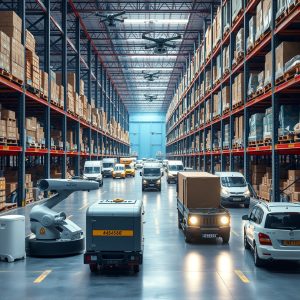
Cold chain logistics is built on a foundation of advanced infrastructure, real-time monitoring, and stringent regulatory compliance. Unlike traditional freight forwarding, which prioritizes cost and speed, cold chain logistics places equal emphasis on maintaining the integrity of the product. This begins with specialized packaging solutions, such as insulated containers and phase-change materials, which act as the first line of defense against temperature fluctuations. Refrigerated warehouses, often equipped with redundant cooling systems, serve as critical nodes in the supply chain, ensuring that products are stored under optimal conditions before onward transportation.
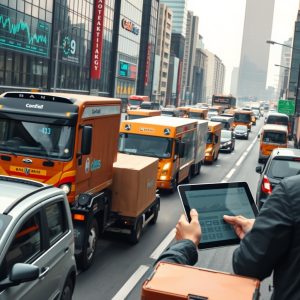
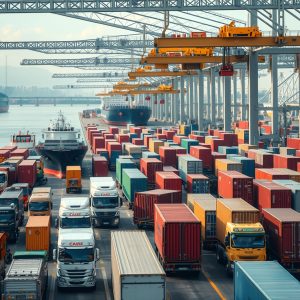
Transportation itself is a complex dance of coordination. Reefer trucks, refrigerated shipping containers, and temperature-controlled air cargo holds are all integral to the process. Each mode of transport presents unique challenges: maritime shipping, for instance, involves long transit times where even minor deviations in temperature can have cascading effects, while air cargo offers speed but requires meticulous handling during loading and unloading. The rise of intermodal freight solutions has further complicated the landscape, as seamless transitions between land, sea, and air demand synchronized logistics management to prevent gaps in the cold chain.
Technology as the Backbone of Compliance and Visibility
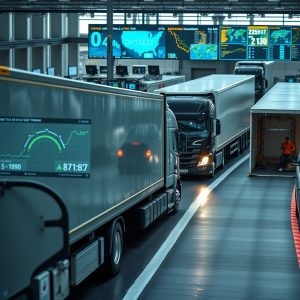
The modern cold chain is increasingly defined by its reliance on technology. Internet of Things (IoT) sensors and GPS-enabled tracking devices provide real-time visibility into the location and condition of shipments, allowing logistics providers to monitor temperature, humidity, and even shock events. This data is not merely informative—it is a regulatory necessity. Agencies such as the U.S. Food and Drug Administration (FDA) and the European Medicines Agency (EMA) mandate strict documentation of temperature controls throughout the supply chain. Digital twins, which create virtual replicas of physical supply chains, are also gaining traction, enabling companies to simulate and optimize routes, storage conditions, and contingency plans before a single shipment is dispatched.
Artificial intelligence (AI) is another game-changer, particularly in predictive analytics. By analyzing historical data and external factors such as weather patterns and traffic conditions, AI can forecast potential disruptions and recommend proactive measures. For example, if a heatwave is predicted along a trucking route, the system might suggest an alternative path or adjust the cooling settings in advance. Such innovations not only enhance efficiency but also reduce the risk of human error, which remains a leading cause of cold chain failures.
Regulatory Hurdles and Trade Compliance
Navigating the regulatory landscape is one of the most daunting aspects of cold chain logistics in the pharmaceutical sector. Each country has its own set of rules governing the import and export of temperature-sensitive medical products, and non-compliance can result in costly delays, fines, or even the destruction of shipments. Customs clearance, in particular, is a critical bottleneck. Documentation must be meticulously prepared to include details such as the product’s temperature requirements, packaging specifications, and handling instructions. Trade compliance teams must stay abreast of evolving regulations, such as the EU’s Good Distribution Practice (GDP) guidelines, which mandate rigorous controls over the storage and transportation of medicinal products.
Third-party logistics (3PL) providers play a pivotal role in bridging these regulatory gaps. By leveraging their expertise in trade compliance and global logistics, 3PLs help pharmaceutical companies navigate the complexities of international trade while ensuring that shipments meet all legal and safety standards. Their involvement often extends beyond transportation, encompassing warehousing, inventory management, and even last-mile delivery, where the final leg of the journey must be executed with the same precision as the initial stages.
The Human Element: Training and Accountability
While technology and infrastructure are critical, the human element remains indispensable in cold chain logistics. Employees at every stage of the supply chain—from warehouse staff to truck drivers—must be trained to handle temperature-sensitive products with care. This includes understanding the proper use of equipment, recognizing signs of temperature excursions, and knowing how to respond in the event of a breach. Regular audits and certifications, such as those offered by the International Safe Transit Association (ISTA), help ensure that personnel are equipped with the knowledge and skills to maintain the cold chain’s integrity.
Accountability is equally important. Clear protocols must be established for reporting and addressing deviations, with a focus on root-cause analysis to prevent recurrence. For instance, if a shipment arrives at its destination with a temperature anomaly, the logistics team must investigate whether the issue stemmed from equipment failure, human error, or external factors like a power outage. Transparency in these processes not only builds trust with clients and regulators but also drives continuous improvement in cold chain operations.
The Future of Cold Chain Logistics in Pharmaceuticals
As the pharmaceutical industry continues to evolve, so too will the demands placed on cold chain logistics. The rise of personalized medicine, which often involves smaller, more frequent shipments of high-value biologics, will require even greater flexibility and precision. Similarly, the expansion of global vaccine distribution, as seen during the COVID-19 pandemic, has underscored the need for scalable, resilient cold chain solutions that can adapt to sudden surges in demand. Innovations such as blockchain technology, which offers immutable records of a product’s journey, are poised to enhance traceability and reduce the risk of counterfeit medications entering the supply chain.
Sustainability is another emerging priority. The environmental impact of refrigerated transportation, particularly in terms of energy consumption and carbon emissions, has prompted calls for greener alternatives. Companies are exploring solutions such as solar-powered refrigeration units, bio-based phase-change materials, and optimized routing to minimize their ecological footprint. Balancing these sustainability goals with the need for reliability and compliance will be one of the defining challenges of the next decade.
The integrity of the pharmaceutical cold chain is not merely a logistical concern—it is a matter of public health. Every vaccine that reaches a remote clinic, every insulin delivery that arrives on time, and every life-saving drug that maintains its potency during transit is a testament to the critical role of cold chain logistics. As technology advances and global trade becomes increasingly interconnected, the systems that underpin this lifeline must evolve in tandem. The future of healthcare depends not just on scientific breakthroughs, but on the seamless, compliant, and resilient movement of these innovations from lab to patient. The cold chain is more than a supply chain; it is a promise—a promise that the medicines we rely on will arrive safely, no matter the distance or the challenges along the way.