The Strategic Power of 3PL Partnerships: How Third-Party Logistics Providers Are Redefining Supply Chain Resilience and Efficiency
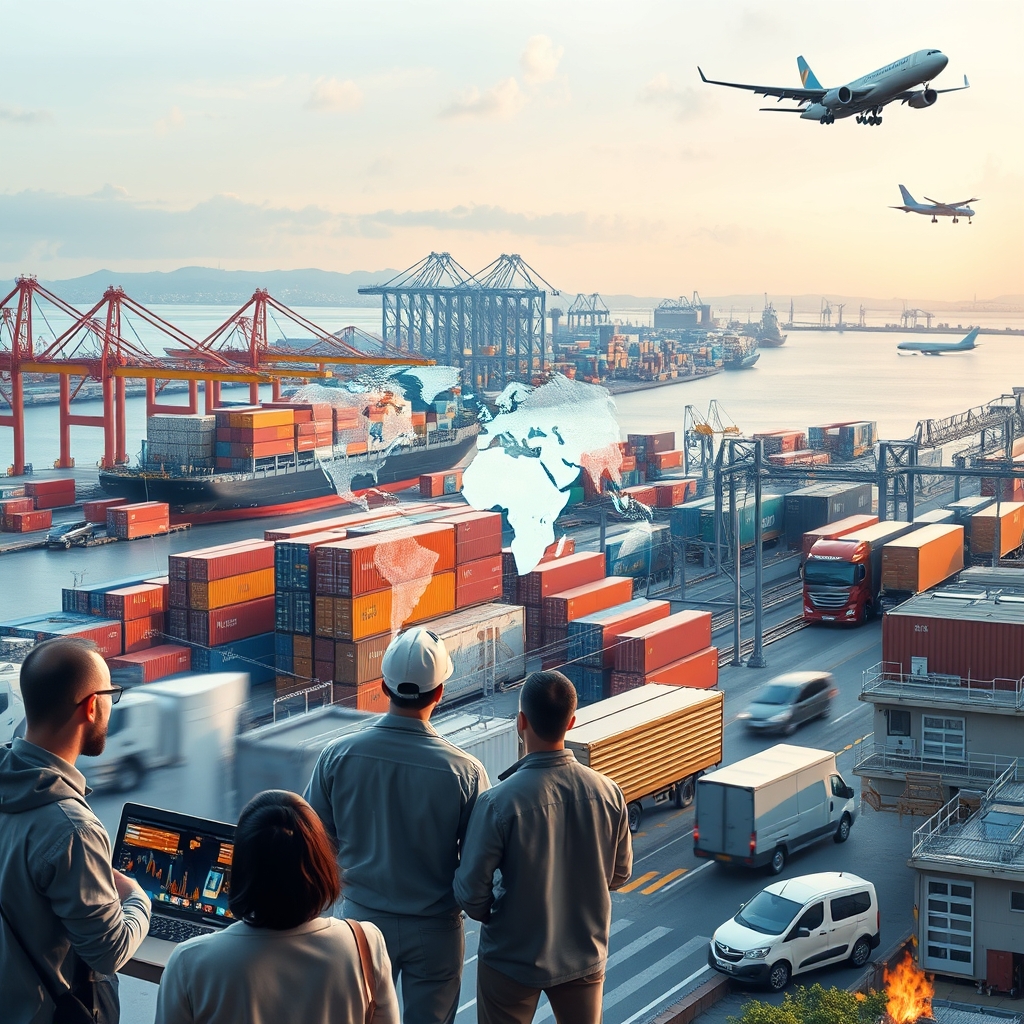
In an era where global trade moves at unprecedented speeds and consumer expectations reach new heights, businesses are increasingly turning to third-party logistics (3PL) providers to navigate the complexities of modern supply chains. These strategic partnerships are no longer just about outsourcing transportation or warehousing—they represent a fundamental shift in how companies approach logistics management, offering agility, scalability, and expertise that in-house operations often struggle to match.
The Evolving Role of 3PL in Global Logistics
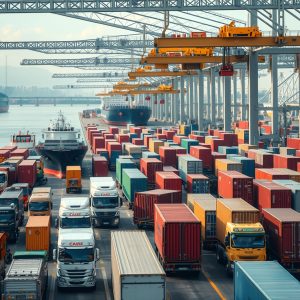
Third-party logistics providers have evolved from simple freight forwarders or warehouse operators into comprehensive supply chain solution architects. Today’s 3PLs offer end-to-end services that span freight forwarding, customs clearance, inventory management, last mile delivery, and even reverse logistics. This transformation is driven by the growing demands of international trade, where businesses must balance cost efficiency with speed, reliability, and compliance across multiple markets.
For export-import businesses, partnering with a 3PL can mean the difference between seamless cross-border operations and costly delays. These providers bring deep expertise in trade compliance, ensuring that shipments adhere to the ever-changing regulations of different countries. Whether it’s navigating the intricacies of customs clearance in the U.S., the EU, or emerging markets, 3PLs help businesses avoid penalties, reduce transit times, and maintain the integrity of their supply chains.
Enhancing Supply Chain Resilience Through 3PL Collaboration
Supply chain resilience has become a top priority for businesses worldwide, particularly in the wake of disruptions like the COVID-19 pandemic, geopolitical tensions, and natural disasters. 3PL providers play a critical role in building this resilience by offering flexible, adaptable logistics solutions. Their global networks and multimodal transportation capabilities—spanning maritime transport, air cargo services, and land transportation—enable businesses to pivot quickly in response to disruptions, rerouting shipments or adjusting inventory levels as needed.
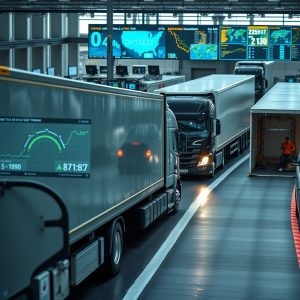
Moreover, 3PLs leverage advanced technologies such as AI-driven logistics management platforms, real-time tracking systems, and predictive analytics to enhance visibility and decision-making. These tools allow businesses to monitor their supply chains in real time, anticipate potential bottlenecks, and proactively address issues before they escalate. For industries like e-commerce, where last mile delivery can make or break customer satisfaction, the ability to track shipments from warehouse to doorstep is invaluable.
The Strategic Advantages of Outsourcing Logistics
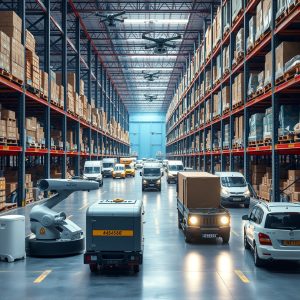
One of the most compelling reasons businesses turn to 3PLs is the cost savings and operational efficiencies they provide. Maintaining an in-house logistics operation requires significant investment in infrastructure, technology, and talent—resources that many companies, particularly small and medium-sized enterprises (SMEs), cannot afford. By outsourcing to a 3PL, businesses gain access to state-of-the-art warehouse management systems, optimized distribution networks, and a fleet of transportation assets without the overhead costs.
For example, cold chain logistics—a critical component of industries like pharmaceuticals and food—requires specialized infrastructure to maintain temperature-controlled environments throughout the supply chain. 3PLs with expertise in cold chain logistics can provide the necessary refrigerated storage, transportation, and monitoring systems, ensuring that perishable goods reach their destination in perfect condition. Similarly, businesses engaged in international trade can benefit from a 3PL’s established relationships with carriers, customs brokers, and regulatory bodies, streamlining the export-import process and reducing the risk of compliance-related delays.
Driving Innovation in Last Mile Delivery and E-Commerce Logistics
The rise of e-commerce has placed unprecedented pressure on logistics providers to deliver faster, more efficiently, and at lower costs. 3PLs are at the forefront of this transformation, pioneering innovations in last mile delivery that enhance customer experience and supply chain efficiency. From autonomous delivery vehicles to drone drop-offs, 3PLs are exploring cutting-edge technologies to overcome the challenges of urban congestion, rural accessibility, and rising delivery expectations.
In addition to technological advancements, 3PLs are reimagining the last mile through creative solutions like micro-fulfillment centers and crowd-sourced delivery networks. These approaches reduce transit times and costs while improving flexibility. For e-commerce businesses, partnering with a 3PL that specializes in last mile delivery can provide a competitive edge, enabling them to offer same-day or next-day delivery options that meet the demands of today’s consumers.
The Future of 3PL: Integration and Collaboration
As global trade continues to evolve, the role of 3PL providers will only grow in importance. The future of logistics management lies in deeper integration and collaboration between businesses and their 3PL partners. This means moving beyond transactional relationships to strategic partnerships where 3PLs act as extensions of a company’s supply chain team, co-developing solutions that drive long-term value.
For instance, data-driven logistics management is becoming a cornerstone of modern supply chain solutions. By integrating their systems with those of their 3PL partners, businesses can gain end-to-end visibility into their supply chains, from procurement to final delivery. This level of transparency enables better forecasting, inventory optimization, and risk management, ultimately enhancing supply chain agility and resilience.
As businesses look to expand into new markets or scale their operations, the expertise and global reach of 3PL providers will be indispensable. Whether it’s navigating the complexities of customs clearance in a new country, optimizing a distribution network for peak performance, or ensuring the seamless flow of goods through multimodal transportation, 3PLs offer the tools and knowledge needed to thrive in an increasingly interconnected world. The strategic partnership between businesses and 3PL providers is not just about outsourcing logistics—it’s about redefining what’s possible in global trade and supply chain management.
The ability to adapt, innovate, and scale is what sets successful businesses apart in today’s fast-paced global economy. By leveraging the strategic power of 3PL partnerships, companies can focus on their core competencies while leaving the complexities of logistics management to the experts, ensuring that their supply chains remain resilient, efficient, and ready for whatever challenges lie ahead.