The Invisible Orchestra: How Automated Shipment Fulfillment and Real-Time Transit Visibility Are Composing a Frictionless Logistics Experience
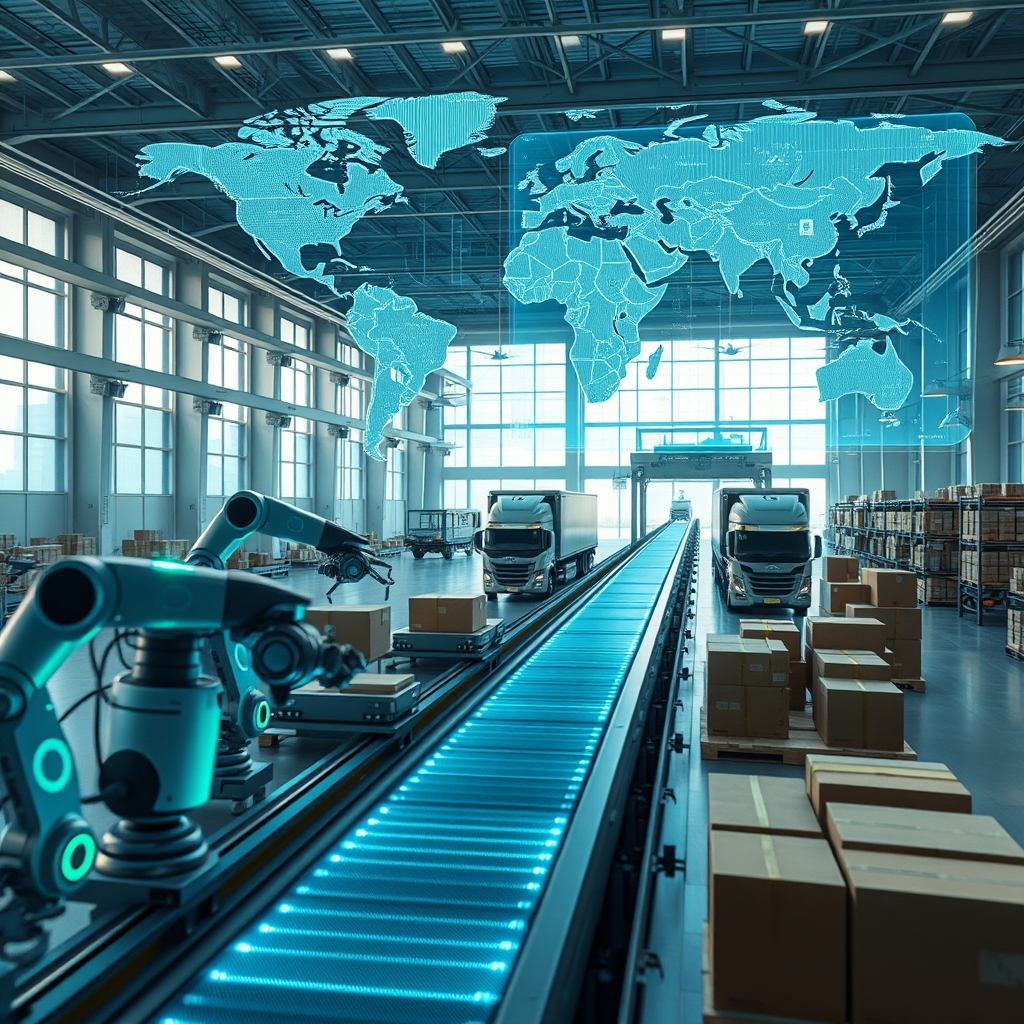
The modern logistics landscape is no longer just about moving goods from point A to point B. It’s about orchestrating a symphony of precision, speed, and reliability—where every note plays in perfect harmony. At the heart of this transformation lies the fusion of automated shipment fulfillment and real-time transit visibility, two innovations that are redefining what it means to deliver seamlessly. Together, they are eliminating the friction that once plagued supply chains, turning what was once a disjointed process into a fluid, responsive, and customer-centric experience.
The Rise of the Machines: Automated Shipment Fulfillment
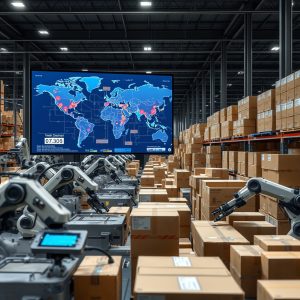
Gone are the days when warehouses relied solely on manual labor to pick, pack, and ship orders. Today, automated shipment fulfillment is revolutionizing the way goods are processed, leveraging robotics, AI, and machine learning to achieve unprecedented levels of accuracy and efficiency. Robots equipped with computer vision navigate warehouse aisles with precision, identifying and retrieving items in a fraction of the time it would take a human worker. Meanwhile, AI-driven systems optimize packing sequences, ensuring that shipments are not only correct but also cost-effective, reducing wasted space and materials.
This automation extends beyond the warehouse floor. In sorting facilities, high-speed conveyor belts and automated sorting arms work in tandem to route packages to their correct destinations, minimizing delays and human error. The result? Faster order processing, fewer mistakes, and a logistics network that can scale effortlessly to meet demand—whether it’s the holiday rush or an unexpected surge in e-commerce orders.
Precision Meets Scalability
The beauty of automated fulfillment lies in its scalability. Traditional logistics models often struggled to adapt to fluctuating demand, leading to bottlenecks and inefficiencies. But with automation, warehouses can operate 24/7 without fatigue, adjusting their output dynamically based on real-time data. This adaptability is particularly crucial for businesses operating in fast-paced industries, where a single delay can cascade into lost sales and dissatisfied customers.
Moreover, automation doesn’t just improve speed—it enhances accuracy. AI-powered quality control systems can detect discrepancies in orders before they leave the warehouse, reducing the likelihood of returns and customer complaints. This level of precision builds trust, turning one-time buyers into loyal customers who know they can rely on timely, error-free deliveries.
The Power of Seeing Everything: Real-Time Transit Visibility
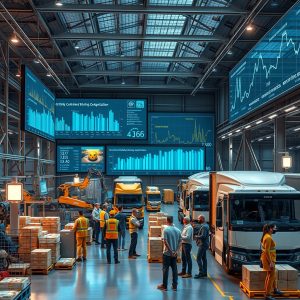
While automation handles the behind-the-scenes work, real-time transit visibility brings transparency to the forefront of the logistics experience. In the past, customers and businesses alike were often left in the dark once a shipment left the warehouse. Tracking updates were sporadic, and delays were met with frustration and uncertainty. Today, that’s no longer the case.
Advanced tracking technologies, powered by IoT devices and GPS, provide live updates on a shipment’s location, condition, and estimated time of arrival. This visibility isn’t just a convenience—it’s a game-changer. Businesses can proactively manage their supply chains, rerouting shipments in response to traffic, weather, or other disruptions. Customers, meanwhile, gain peace of mind, knowing exactly where their order is and when it will arrive.
From Reactive to Proactive Logistics
The shift from reactive to proactive logistics is one of the most significant benefits of real-time visibility. Instead of scrambling to address delays after they occur, businesses can anticipate and mitigate issues before they impact the customer. For example, if a truck encounters unexpected traffic, the system can automatically suggest alternative routes or adjust delivery windows, keeping the customer informed every step of the way.
This level of responsiveness is particularly valuable in industries where timing is critical, such as healthcare, food delivery, or just-in-time manufacturing. In these sectors, delays aren’t just inconveniences—they can have serious consequences. Real-time visibility ensures that shipments arrive when they’re needed, reducing waste, improving efficiency, and ultimately saving costs.
The Human Element: Customer-Centric Logistics
At its core, the fusion of automation and real-time visibility is about more than just efficiency—it’s about putting the customer first. In an era where consumers expect fast, reliable, and transparent service, logistics providers must go beyond the basics to deliver a truly customer-focused distribution experience. This means not only meeting delivery promises but also providing the tools and information customers need to feel in control.
Personalized delivery options, such as flexible time slots or alternative pickup locations, are just one way businesses are catering to individual preferences. Meanwhile, automated notifications—whether via SMS, email, or app alerts—keep customers informed without requiring them to chase down updates. This level of service fosters loyalty, turning satisfied customers into brand advocates.
Building Trust Through Transparency
Transparency is the cornerstone of trust in logistics. When customers can see exactly where their shipment is and why it might be delayed, they’re more likely to understand and forgive minor hiccups. Real-time visibility provides this transparency, but it also empowers businesses to take ownership of their service. By acknowledging delays upfront and offering solutions—such as discounts on future orders or expedited shipping—companies can turn potential negatives into opportunities to strengthen customer relationships.
The Future of Frictionless Logistics
The logistics industry is evolving at a breakneck pace, driven by technological advancements that are making the once-impossible a reality. Automated shipment fulfillment and real-time transit visibility are just two pieces of a much larger puzzle, but their impact is undeniable. Together, they are eliminating the friction that has long plagued supply chains, creating a seamless experience that benefits businesses and customers alike.
As these technologies continue to mature, we can expect even greater integration between automation, AI, and real-time data. Predictive analytics will anticipate demand before it arises, while adaptive systems will respond to disruptions in real time. The result will be a logistics network that is not only faster and more efficient but also more resilient and customer-centric than ever before. The invisible orchestra of modern logistics is playing a new tune—one where every note is perfectly timed, every instrument in harmony, and every listener left in awe of what’s possible.