The Invisible Symphony: How Adaptive Last Mile Delivery and Tech-Enabled Fleet Monitoring Are Redefining the Seamless Logistics Experience
In the intricate dance of modern logistics, the last mile often stands as the most critical yet challenging segment. It’s the final stretch where goods transition from the distribution center to the end consumer, a journey fraught with complexities that can make or break the entire supply chain. However, a new symphony is emerging, one that harmonizes the power of adaptive last mile delivery and tech-enabled fleet monitoring to create a seamless logistics experience.
The Power of Adaptive Last Mile Delivery
Adaptive last mile delivery is not just about getting goods to their destination; it’s about doing so efficiently, sustainably, and with a customer-centric approach. This approach leverages real-time data and analytics to optimize delivery routes, schedules, and even the mode of transport. By understanding traffic patterns, weather conditions, and customer preferences, adaptive delivery systems can dynamically adjust to ensure timely and efficient deliveries.
Dynamic Route Optimization
One of the key features of adaptive last mile delivery is dynamic route optimization. Traditional delivery routes are often static, based on historical data and limited real-time information. However, adaptive systems use real-time data to continuously optimize routes, taking into account factors like traffic congestion, road closures, and even the location of delivery personnel. This not only reduces delivery times but also minimizes fuel consumption and emissions, contributing to a more sustainable logistics network.
Personalized Delivery Scheduling
Another aspect of adaptive last mile delivery is personalized delivery scheduling. By analyzing customer data, such as delivery preferences and historical behavior, logistics providers can offer personalized delivery windows. This not only enhances the customer experience but also allows for more efficient use of delivery resources, as vehicles can be scheduled to deliver multiple packages to the same neighborhood at the same time.
The Role of Tech-Enabled Fleet Monitoring
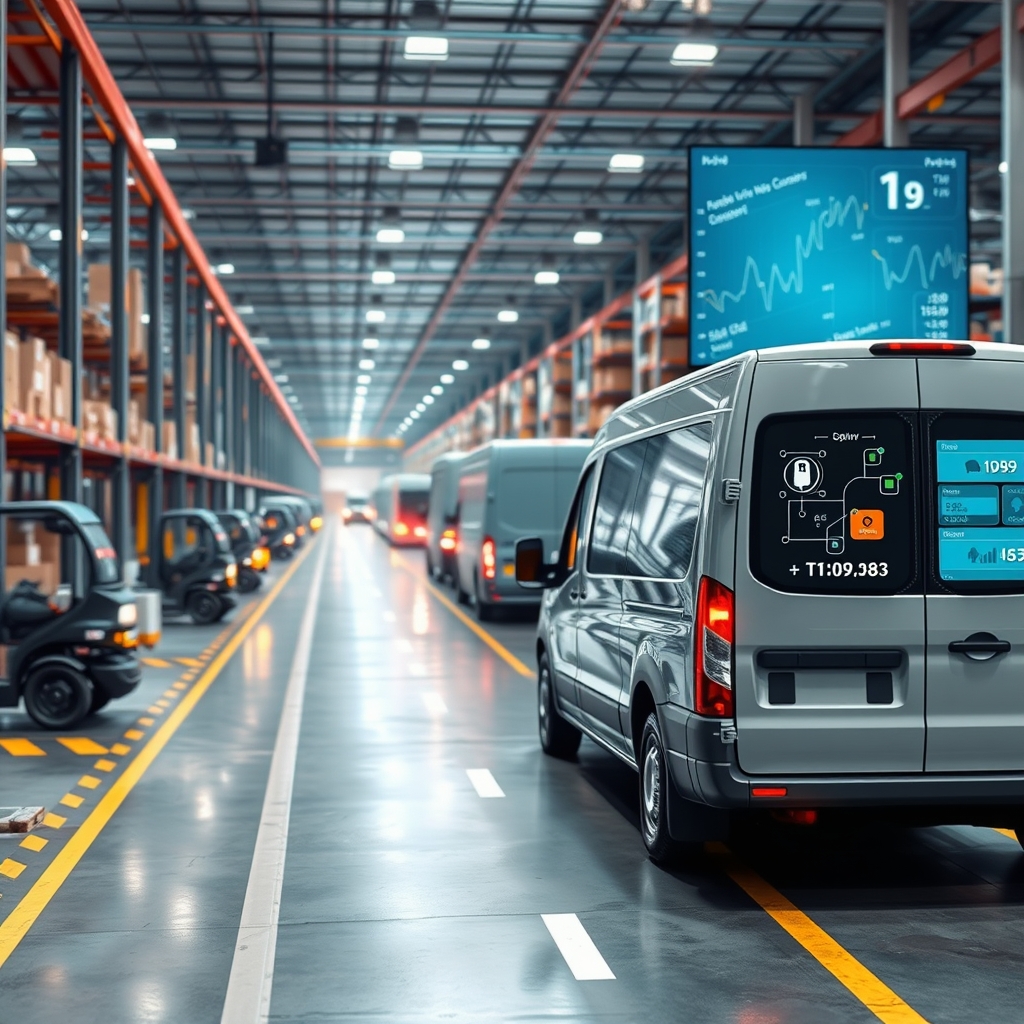
While adaptive last mile delivery focuses on the delivery process, tech-enabled fleet monitoring provides the eyes and ears of the logistics operation. This technology leverages GPS, IoT sensors, and AI to provide real-time visibility into the fleet, enabling proactive management and decision-making.
Real-Time Transit Visibility
Real-time transit visibility is a game-changer in logistics. By tracking the location and status of each vehicle in the fleet, logistics providers can monitor the progress of deliveries, identify potential delays, and take corrective action. This not only improves the reliability of the delivery service but also enhances the transparency of the logistics operation, providing customers with accurate information about their shipments.
Predictive Maintenance
Tech-enabled fleet monitoring also extends to predictive maintenance. By analyzing data from IoT sensors, AI can predict when a vehicle might fail, allowing for proactive maintenance and minimizing downtime. This not only improves the reliability of the fleet but also reduces the overall cost of logistics operations.
The Synergy of Adaptive Last Mile Delivery and Tech-Enabled Fleet Monitoring
The true power of the new logistics symphony lies in the synergy between adaptive last mile delivery and tech-enabled fleet monitoring. By combining the dynamic, customer-centric approach of adaptive delivery with the real-time, data-driven insights of fleet monitoring, logistics providers can create a seamless logistics experience that is efficient, sustainable, and customer-focused.
Imagine a logistics operation where delivery routes are continuously optimized based on real-time traffic data, where vehicles are monitored for any signs of potential failure, and where customers are offered personalized delivery windows. This is not just a vision of the future; it’s a reality that is being realized today, thanks to the power of adaptive last mile delivery and tech-enabled fleet monitoring.
As we continue to navigate the complexities of the modern logistics landscape, the lessons from this symphony offer a powerful reminder of the potential of innovation and technology. By embracing these tools and approaches, we can create a logistics experience that is not just seamless, but transformative, setting a new standard for efficiency, sustainability, and customer satisfaction.