The Strategic Imperative of Efficient Freight Forwarding in Modern Logistics: Navigating the Complexities of Global Trade

In the vast and intricate landscape of global trade, freight forwarding stands as a critical linchpin, ensuring the seamless movement of goods across borders. As the world becomes increasingly interconnected, the role of efficient freight forwarding in modern logistics cannot be overstated. This article delves into the strategic imperative of efficient freight forwarding, exploring its complexities, challenges, and the innovative solutions that are reshaping the industry.
The Complexities of Freight Forwarding
Freight forwarding is a multifaceted process that involves the coordination of various stakeholders, including shippers, carriers, customs brokers, and warehouses. It encompasses a wide range of activities, from the initial booking of transportation to the final delivery of goods. The complexity of freight forwarding lies in the need to navigate through a labyrinth of regulations, customs procedures, and logistical challenges.
Regulatory Challenges
One of the primary challenges in freight forwarding is the intricate web of regulations that govern international trade. Each country has its own set of rules and procedures for importing and exporting goods, which can vary significantly. This regulatory complexity can lead to delays, additional costs, and potential risks of non-compliance. For instance, the process of customs clearance can be particularly cumbersome, requiring detailed documentation, tariff classification, and compliance with various trade agreements.
Logistical Challenges
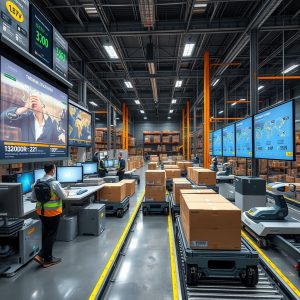
Beyond regulatory hurdles, freight forwarding also faces logistical challenges. The need to manage multiple modes of transportation, such as maritime, air, and land, adds layers of complexity. Each mode of transportation has its own set of challenges, including transit times, reliability, and cost. Additionally, the management of cargo, including its handling, storage, and tracking, requires a high degree of coordination and efficiency.
Innovative Solutions in Freight Forwarding
Despite these challenges, the freight forwarding industry is witnessing a wave of innovation that is transforming the way goods are moved across borders. These innovations are not only enhancing efficiency but also driving cost savings and sustainability.
Digital Transformation
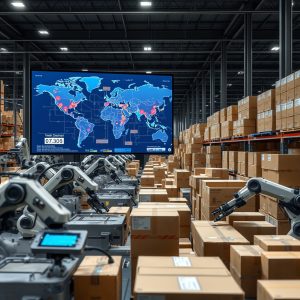
One of the most significant innovations in freight forwarding is the digital transformation of the industry. The adoption of advanced technologies, such as artificial intelligence (AI), the Internet of Things (IoT), and blockchain, is revolutionizing the way freight forwarding operations are managed. AI-powered demand forecasting, for instance, enables more accurate predictions of cargo volumes, leading to better resource allocation and reduced costs. IoT devices provide real-time tracking and monitoring of cargo, enhancing visibility and transparency in the supply chain. Blockchain technology offers secure and tamper-proof documentation, streamlining customs clearance and reducing the risk of fraud.
Multimodal Freight Forwarding
Another innovative solution is multimodal freight forwarding, which involves the integration of multiple modes of transportation to create a seamless and efficient logistics network. By leveraging the strengths of each mode, multimodal freight forwarding can optimize transit times, reduce costs, and enhance reliability. For example, a shipment might start with maritime transport, switch to land transportation for the final leg, and even use air cargo for time-sensitive components.
Third-Party Logistics (3PL) Partnerships
The strategic partnership with third-party logistics (3PL) providers is another key innovation in freight forwarding. 3PL providers offer a wide range of services, including warehousing, transportation, and customs clearance, allowing freight forwarders to focus on their core competencies. By outsourcing certain functions to 3PL partners, freight forwarders can achieve economies of scale, enhance efficiency, and access specialized expertise.
The strategic imperative of efficient freight forwarding in modern logistics is undeniable. The complexities and challenges of the industry are immense, but the innovative solutions that are emerging are paving the way for a more efficient, cost-effective, and sustainable future. As the global trade landscape continues to evolve, the role of freight forwarding will remain pivotal, driving the movement of goods and facilitating the interconnectedness of the world. In this dynamic environment, those who embrace innovation and adapt to change will be well-positioned to thrive and succeed. The journey of efficient freight forwarding is not just about moving goods; it is about building resilient, agile, and sustainable supply chains that can meet the demands of the future.